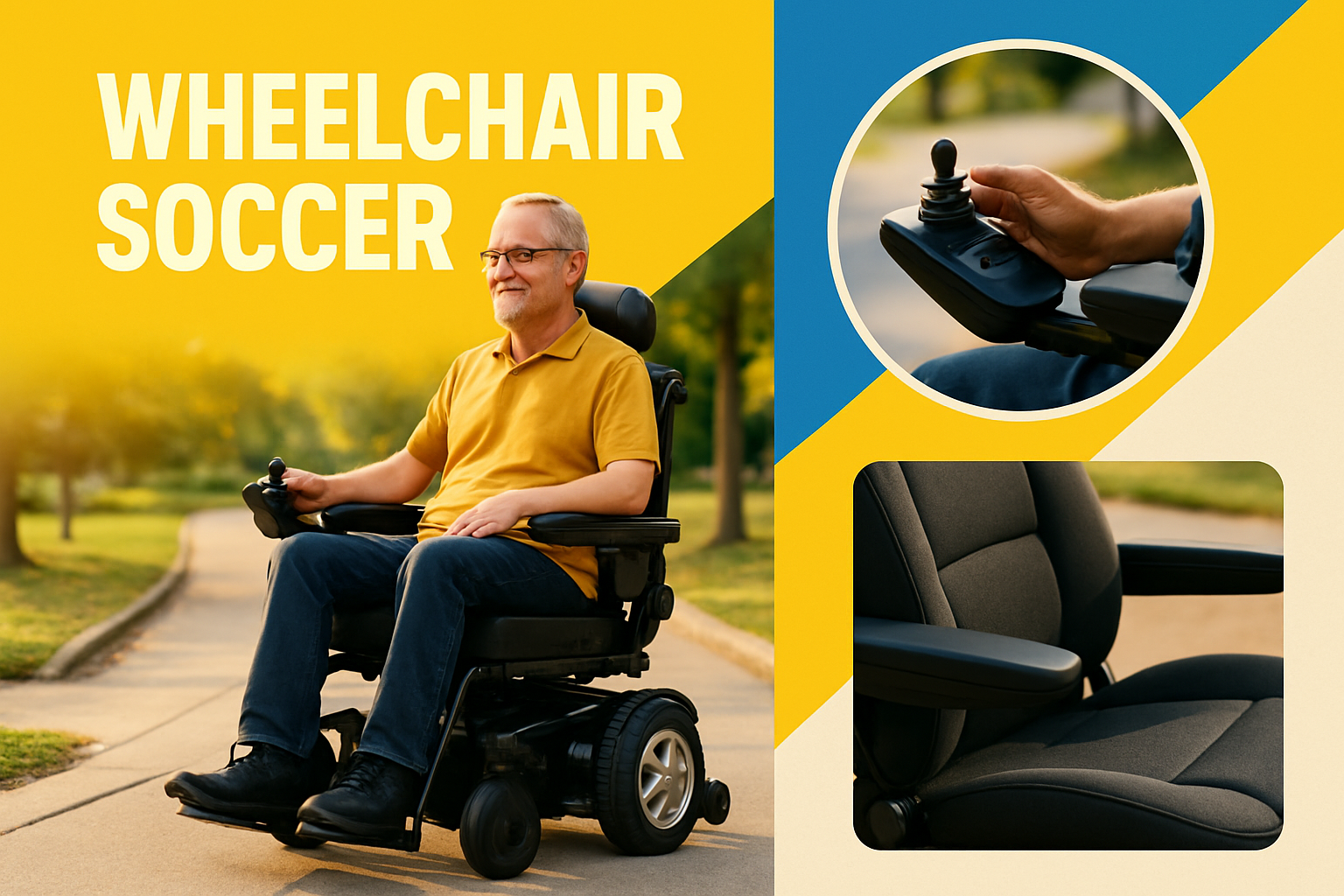
The Complete Guide to Wheel Chair Soccer: Skills, Power-Chair Gear, Safety & Insurance Tips for Active Mobility
If you’ve ever heard the electric buzz of motors, the crisp thump of a ball off a guard, and a bench erupting in cheers, you’ve probably stumbled into wheel chair soccer, and wow, is it electric. I still remember my first practice visit, watching a veteran set up a perfect spin pass while a rookie learned to feather the joystick, and it felt like discovering a new language everyone could speak. Whether you want to play, coach, or just find the right power-chair to get out there, this guide breaks down skills, gear, safety, and even the tricky insurance stuff in plain English. Along the way, I’ll show how Go Wheelchairs helps at each step as a retailer of Pride/Jazzy-brand power chairs, offering a wide range of standard and heavy-duty motorized wheelchairs, personalized support, and clear coverage guidance.
What Is Wheel Chair Soccer? Rules, Roles, and Why It Hooks You
Think of wheel chair soccer as the fast-paced, strategy-rich cousin of association football that’s designed for power-chair athletes and manual chair users alike, with rules adapted to keep play fluid and safe. You’ll hear people call it power soccer or powerchair football, and in the United States, the sport is organized by USPSA [United States Power Soccer Association], with international structure provided by FIPFA [Fédération Internationale de Powerchair Football Association]. Games typically look like small-sided indoor matches on a basketball or futsal-sized court, where players maneuver using joystick controls and use a front guard to pass, block, and strike a larger, lightweight ball. The thrill is in the angles, the timing, and the teamwork, which is why so many players say they get hooked after a single session.
While rules vary by league, you’ll often see four players per side including a goalkeeper, a speed cap around the low single-digit miles per hour [miles per hour] for safety, and positioning that rewards spatial awareness over brute force. Common adaptations include a “2-on-1” spacing rule and penalties for crowding the goal area, both designed to open the floor and showcase skillful chair control. If you’re brand-new, the biggest surprise is how technical it feels, because great players glide, spin, and nudge the ball with surgical precision, like chess on wheels. And if your end goal is joining a local club, Go Wheelchairs can help you identify chairs and accessories that align with league standards and provide guidance to evaluate options, so you step onto the court confident instead of guessing.
- Core positions: striker, winger, defender, goalkeeper
- Primary tools: joystick finesse, guard angles, spin passes, shielding
- Match flow: short bursts, tight rotations, quick set pieces, controlled speed
Skills and Drills That Translate From Daily Driving to Dominating Play
Because the chair is your engine and your boot, the foundation is control: smooth starts and stops, micro-corrections, and the ability to hold a line under pressure. One skill you’ll hear constantly is the spin kick, where you approach the ball at a slight angle and rotate at the last moment so the guard squares up and rockets the ball forward. To build that, practice figure-eights around cones, then add a ball, then add a teammate as a passive defender until your shoulders, wheels, and guard feel like a single unit. It’s a lot like learning to parallel park in a busy city, except your reward is a clean assist instead of avoiding a parking ticket.
Watch This Helpful Video
To help you better understand wheel chair soccer, we’ve included this informative video from England. It provides valuable insights and visual demonstrations that complement the written content.
Beyond chair handling, communication and tempo control separate rookies from leaders, because great teams talk about angles, call out pressure, and reset quickly. I like a simple progression: silent rondos for concentration, then timed rondos with a shot clock, then 3v2 transition sprints where the attack must finish in five seconds. It’s amazing how a basic constraint sparks creativity, and you’ll see players learn to pre-position for rebounds and second passes rather than watching the ball. If structure helps, try this sample practice flow and adapt the times to your team’s needs.
| Block | Time | Focus |
|---|---|---|
| Warmup Drive | 10 minutes | Starts, stops, tight turns, braking landmarks |
| Guard Touches | 10 minutes | Dribble lines, 45-degree approaches, soft redirects |
| Spin Pass Circuit | 15 minutes | Angle approach, rotation timing, one-touch passes |
| Rondo Variations | 15 minutes | 2-on-1 spacing awareness, quick releases under pressure |
| Set Pieces | 10 minutes | Kick-ins, corners, goalkeeper clearances |
- Drill tip: Count out loud to train pace and reduce panic in tight spaces.
- Home practice: Use painter’s tape to mark lanes and gates for daily joystick reps.
- Video review: Film from the end line to better see spacing and guard angles.
Power-Chair Gear That Matters: Guards, Batteries, Tires, Seating
Great gear doesn’t replace skill, but it does unlock it, and the biggest game-changer for many players is the front guard or bumper. A square-corner or rounded guard protects feet and channels the ball, and the mounting system should be sturdy, adjustable, and compliant with your league’s specifications. Battery choice matters too: sealed lead-acid and gel options are common for safety, while lithium packs may offer better energy density but can be restricted, so always confirm with your club. From there, think tires and casters for smooth, predictable roll, seating for posture and core stability, and joystick placement that keeps your shoulders relaxed and reaction-ready over a full match.
While specialty sport chairs exist, many players begin in standard or heavy-duty power wheelchairs with smart upgrades that bridge sport and daily life. For example, a heavy-duty frame can deliver stability and torque for directional changes, while a standard motorized chair with tight turning radius can help you pivot in crowded lanes. Keep an eye on tire pressure, because under-inflation steals speed and steering precision, and check recommended PSI [pounds per square inch] weekly. To help you prioritize, here’s a quick rundown of key components and why they matter on the court.
| Component | What To Look For | Why It Matters |
|---|---|---|
| Front Guard | Rigid mount, legal size, quick-adjust hardware | Consistent spin passes, safe contact, easy fine-tuning between drills |
| Batteries | Sealed, high cycle life, reliable chargers | Stable power output across a full match and practice block |
| Tires/Casters | Even wear, correct PSI [pounds per square inch], non-marking tread | Predictable grip and turning, reduced risk of slide-outs |
| Joystick | Responsive, adjustable throw, secure mount | Smoother feathering for precision dribbling and positioning |
| Seating/Belts | Supportive cushions, seat belt, optional harness | Posture, energy management, and safer contact moments |
If you’re unsure where to start, Go Wheelchairs offers a resources hub with buying guides, comparison tools, and travel tips, plus guidance on league-compliant accessories. Their team can help you match guard mounts and tire choices to your local club’s rules, so you spend less time decoding specs and more time stacking assists.
Safety First: Court Setup, Maintenance, and Risk Reduction
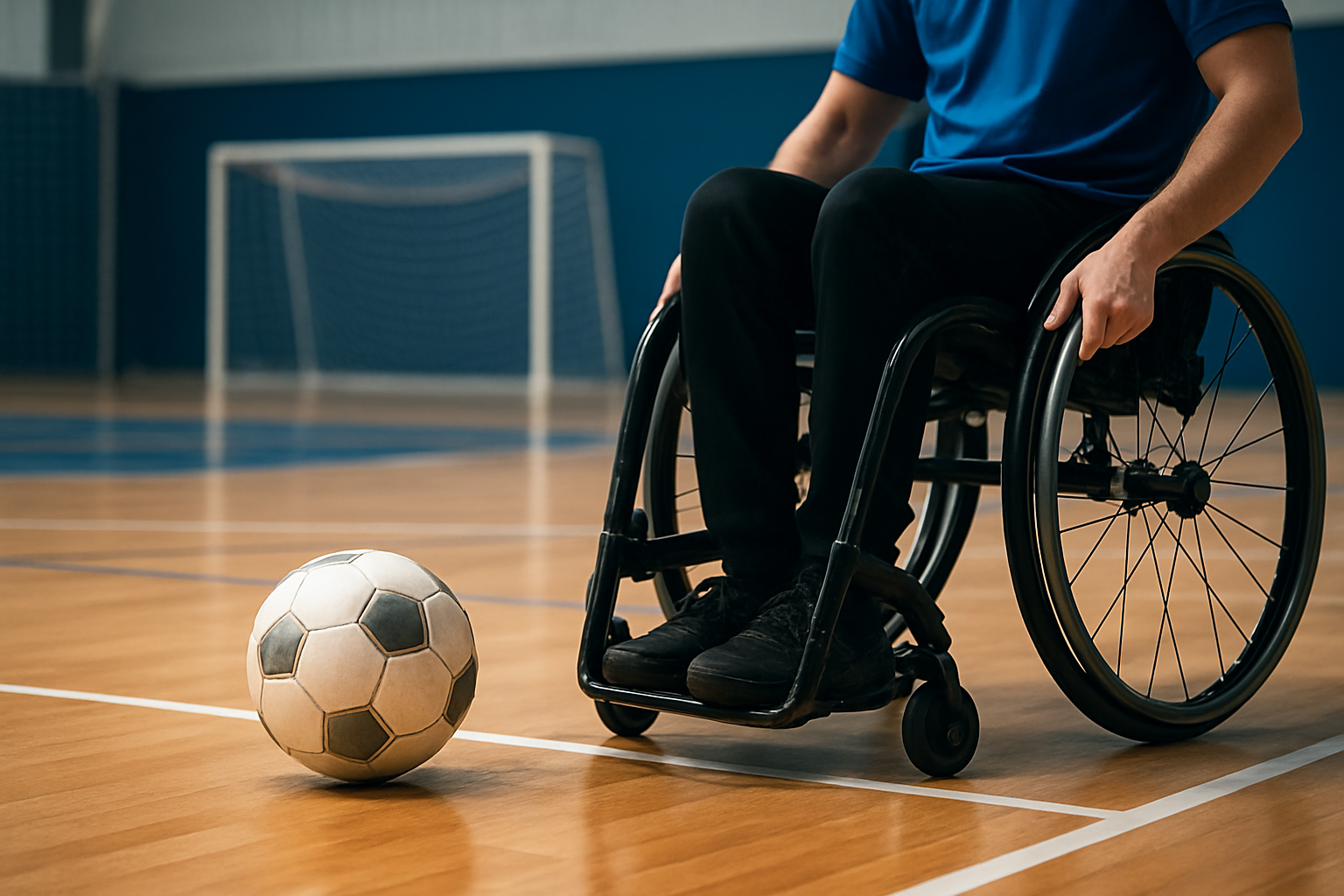
Safety is a culture, not a checklist, but a good checklist builds that culture faster, especially for new teams. Before each session, do a “pre-flight” scan: seat belt secure, joystick calibration responsive, guard bolts tight, anti-tip casters in place, and no loose items that could snag. On the court, confirm that boundary lines are clear, goals are anchored, and there’s spill-free space behind the end line for deceleration. Many leagues set speed caps around the same low range of miles per hour [miles per hour], yet it’s your habits that keep people safe, like calling “through” before slicing a lane or easing off the joystick when vision gets crowded.
- Pre-flight: belt, brakes, guard mounts, tire pressure, joystick test
- Court scan: dry floors, anchored goals, clear sidelines and benches
- Communication: call lanes, confirm set pieces, debrief near-misses
Maintenance keeps performance predictable and reduces mid-game surprises, which saves money and morale over a season. Set a cadence for quick checks, deeper monthly tune-ups, and seasonal battery tests, and log notes so you can spot patterns before they affect performance. If your team shares chairs, create a simple handoff ritual: log battery state, report any unusual noises or drift, and note new scuffs on guards that might hint at loose hardware. Here’s a sample maintenance rhythm you can adapt and post on a wall near your practice space.
| Frequency | Tasks | Why It Helps |
|---|---|---|
| Before Every Session | Belt, guard bolts, tire pressure, joystick response | Reduces avoidable incidents and keeps handling consistent |
| Weekly | Caster wear, charger cable check, battery connectors | Prevents slow power fade and steering wobble |
| Monthly | Deep clean, firmware check if applicable, bolt torque | Extends gear life and protects warranties |
| Pre-Event | Spare fuses, backup charger, guard alignment template | Travel confidence and smoother tournament days |
If you need a second set of eyes, Go Wheelchairs’ support team can walk you through a maintenance routine and help you pick reliable chargers, sealed batteries, and non-marking tires that meet your club’s standards. That kind of personal guidance builds safer habits, especially when you’re spinning up a new program with rookies.
Choosing the Right Power Wheelchair for Sport and Life
Your ideal chair should help you at practice and also on grocery runs, in school hallways, and during travel, because mobility is a seven-days-a-week story. Start with fit and frame: seat width and depth, back support, and footplate position, then consider turning radius for tight sideline maneuvers and daily indoor navigation. Standard models shine for agility and portability, while heavy-duty frames deliver stability, higher weight capacity, and durable motors that shrug off long sessions. Go Wheelchairs curates both types and also offers lightweight, foldable wheelchair designs that simplify trunk loading or car travel, so your sport enrichment doesn’t create daily-life friction.
Next, think about torque and control profiles, because some players need a gentle acceleration curve for precision, while others want snappier starts for quick overlaps. If you’ll mount guards regularly, ask about reinforced footplates and accessory rails, and if transport is a priority, check curb weight and break-down options. Want a handy snapshot? Use the table below to compare chair classes through a sport-and-life lens, then book a personalized fitting to try real-world setups before committing.
| Chair Class | Agility | Power/Stability | Range (Everyday) | Guard Mounting | Transport | Best For |
|---|---|---|---|---|---|---|
| Standard Motorized | Tight turning radius | Moderate, responsive control | Typical daily errands and practice | Basic to reinforced options | Often lighter, some foldable designs | New players, apartment living, frequent car travel |
| Heavy-Duty Motorized | Stable, slightly wider turning | High torque, robust frame | Longer outings and double sessions | Enhanced mounting support | Heavier, consider vehicle ramp | Power users, larger athletes, durability focus |
| Sport-Ready Setups | Optimized for spin moves | Stiffness tuned for impact | Built for event days | Dedicated guard systems | Team or trailer transport | Clubs, advanced players, tournament play |
When you’re comparing, it helps to talk to someone who lives this every day, and that’s where Go Wheelchairs stands out. They’ll walk you through options, help you understand how different controls respond, and align choices with your sport goals, storage needs, and coverage plan, so you’re not trading agility for comfort or daily convenience for on-court power.
Insurance, Medicare, and Budget: The Smarter Path to Coverage
Let’s talk funding, because the best chair is the one you can actually obtain and maintain with peace of mind. If you’re exploring insurance or Medicare [Medicare], begin by documenting functional needs at home, in the community, and in sport, then schedule an evaluation with a clinician and a qualified supplier. Your clinician may craft an LMN [Letter of Medical Necessity] explaining why a specific chair and features are required, and your supplier will submit paperwork to your insurer as DME [Durable Medical Equipment]. After approval, you’ll receive an EOB [Explanation of Benefits] that outlines what is covered and what is your responsibility, and knowing these steps beforehand keeps timelines realistic and your budget steady.
Go Wheelchairs helps here in two important ways: benefits verification and paperwork coaching, so you aren’t chasing forms or resubmitting due to a missing sentence. Their team can coordinate with your physician or therapist, provide sample LMN [Letter of Medical Necessity] language that addresses daily function and safe mobility, and advise on model alternatives if a plan requires a different code. They also share cost-transparent quotes and practical financing options when needed, plus a resources hub that translates coverage jargon into everyday language. Use the table below to map your process and spot where expert help saves you time.
| Step | Who Leads | What Helps Approval |
|---|---|---|
| Needs Assessment | You and clinician | Daily tasks, safety risks, distances, transport needs, sport goals |
| LMN [Letter of Medical Necessity] | Clinician | Link features to medical needs and safe mobility outcomes |
| Supplier Documentation | Go Wheelchairs | Accurate codes, model equivalencies, proof of medical need |
| Prior Authorization | Insurer/Medicare | Complete forms, timely responses, clarifications by supplier |
| Delivery and Training | Go Wheelchairs + You | Fit check, joystick programming, safety walkthrough |
| EOB [Explanation of Benefits] Review | You + Supplier | Verify coverage, appeal if needed, keep all documentation |
Pro tip: mention sport in terms of mobility and participation, like safe community access, social engagement, and structured exercise, which often align with coverage goals. And when your plan approves one option but not another, ask Go Wheelchairs about comparable models within your coverage code, or hybrid setups that meet everyday needs while still supporting your training nights.
How Go Wheelchairs Accelerates Your Journey From First Practice to Tournament Day
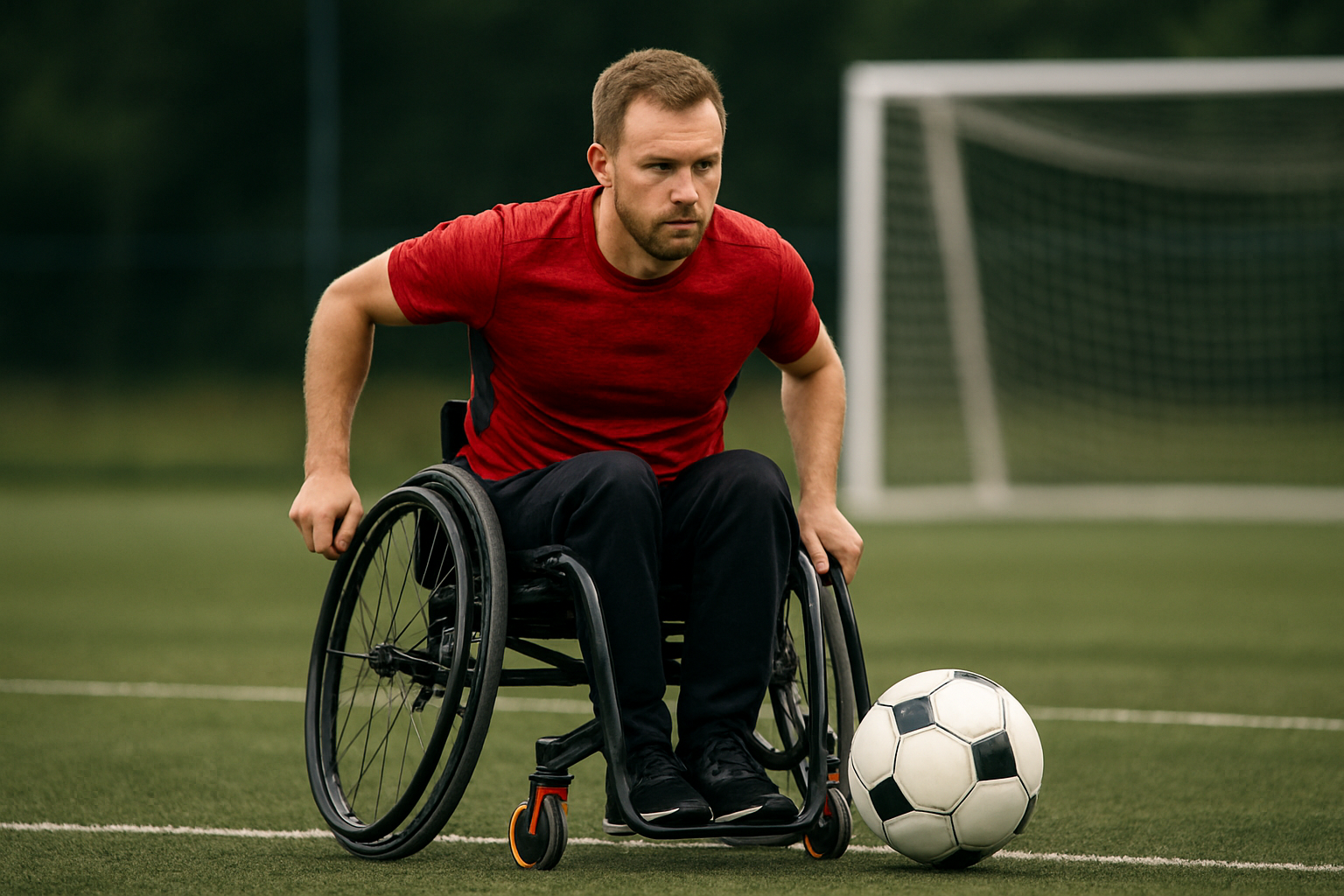
Decisions come fast when you’re new: which chair, which guard, which charger, and who handles the insurance maze while you still have energy to practice. Go Wheelchairs simplifies that by pairing you with a specialist who understands adaptive sport and everyday mobility, then guiding you through fittings, product selection, and the nitty-gritty of paperwork. The lineup includes a wide range of standard and heavy-duty motorized wheelchairs, plus lightweight, foldable wheelchair designs for easy transport, so your chair works as hard at home and school as it does on game day. And because they maintain a resources hub with buying guides, comparison tools, and travel tips, you get answers on everything from battery care to airline policies without hunting across dozens of forums.
On top of gear and knowledge, you’ll appreciate the calm, practical help on coverage, because nothing stalls momentum like confusing forms and deadlines. The team assists with Medicare [Medicare] and private insurance, helps translate benefit summaries, and offers options that respect your budget without compromising safety or durability. Most importantly, they listen, which sounds simple until you’ve explained your goals three times to three different departments. With a partner that sees your whole picture, you can focus on building touch, timing, and chemistry while they help you secure the chair that fits your life and your league.
Where to Find Community, Tournaments, and Year-Round Motivation
Sports thrive on community, and wheel chair soccer is no exception, with local clubs, regional events, and national tournaments that turn weekly practice into lifelong friendships. Start by asking a rehabilitation hospital, adaptive recreation center, or your school’s disability services office about local teams, and check national association directories for nearby listings. As you plug in, volunteer roles and parent-coach networks emerge, which is perfect if you’re scouting chairs for multiple family members or looking for transport tips between cities. The shared wisdom adds up fast, from how to pack chargers to which gym floors offer the most consistent grip after a fresh clean.
While participation numbers vary by region, adaptive sports have been growing steadily, and clubs frequently welcome beginners with loaner equipment and gentle on-ramps. Consider setting a simple goal like joining a five-week skills series, because short windows build confidence without locking you in for a full season. Meanwhile, keep leaning on Go Wheelchairs for practical advice on chair selection, accessory compatibility, and coverage timelines, because those three levers shape your experience more than any single drill. When the logistics feel lighter, the game feels brighter, and that’s exactly the point.
Quick Reference Checklist
- Skill priorities: smooth joystick control, spin passes, spacing and resets
- Gear essentials: legal guard, reliable batteries, non-marking tires, secure seating
- Safety rhythm: pre-flight check, weekly wear scan, monthly tune-up, event kit
- Coverage steps: assessment, LMN [Letter of Medical Necessity], supplier submission, authorization, delivery, EOB [Explanation of Benefits]
- Support partners: local clubs, clinicians, and Go Wheelchairs for fittings and insurance navigation
Wheel Chair Soccer: Ready to Play, Grow, and Thrive
Here’s the promise in one line: with the right skills, gear, and support, this sport becomes a joyful engine for independence and community. In the next 12 months, you could dial in your chair, join a club, and experience that first perfect spin pass in a match that actually counts. What would it feel like to look back a year from now and recognize that wheel chair soccer helped you move farther, meet more people, and trust your mobility again?
Additional Resources
Explore these authoritative resources to dive deeper into wheel chair soccer.
Level Up With Go Wheelchairs
Explore a wide range of standard and heavy-duty motorized wheelchairs, plus coverage guidance, so players secure the right fit and move forward with confidence and independence.