Top Bariatric & Heavy-Duty Power Wheelchairs to Consider in 2026
If you are comparing bariatric power wheelchairs and you want the facts without the fluff, you are in the right place. This guide is for anyone balancing real-world needs like weight capacity, seat fit, and home maneuverability with equally real constraints like Medicare coverage and total cost of ownership. I have helped family members make similar decisions, and I know how stressful it can feel to bet on the wrong chair. Together, we are going to simplify the tradeoffs and highlight where the value really lives in 2026.
Below you will find seven notable models to consider from across the market, including examples you may see during your search and several models available through Go Wheelchairs. You will also see quick-reference specs, insider shopping tips, and a plain-English breakdown of Medicare and insurance basics. Throughout, you will notice Go Wheelchairs offering practical help, from comparing models to navigating paperwork. When individuals struggle to find affordable, dependable solutions that truly fit their life, that is exactly where Go Wheelchairs shines with personalized guidance and a selection of standard models and at least one heavy-duty option available through their store.
Selection Criteria for Bariatric Power Wheelchairs
Choosing a heavy-duty electric wheelchair is not just about a single number. Yes, weight capacity matters a lot, but day-to-day comfort, fit, and service access can make or break your experience. Here is the exact lens we used to evaluate each model. Think of it as your checklist during demos and calls.
- Real capacity and stability: Stated weight capacity, wheelbase geometry, and suspension together determine security on slopes, curb cuts, and uneven surfaces.
- Seat fit and postural support: Seat width and depth ranges, cushion options, adjustable armrests, and availability of power tilt, recline, and legrests for pressure relief.
- Drive type and maneuverability: Mid-wheel drive for smallest turning radius, front-wheel drive for curb climbing and traction, rear-wheel drive for outdoor stability.
- Range and speed: Battery size, motor efficiency, and controller tuning affect how far and how fast you can go; longer range matters if charging access is limited.
- Serviceability and parts: Access to authorized service, common parts availability, and manufacturer warranty length directly impact downtime and lifetime cost.
- Coverage readiness: Clear documentation pathways for Medicare and other insurance via HCPCS (Healthcare Common Procedure Coding System) groupings and medical necessity notes from your clinician.
To help you scan the field quickly, here is a side-by-side summary of seven models to consider, including several that Go Wheelchairs carries directly. Values reflect typical manufacturer specifications and common configurations in 2026; your setup may differ based on seat, batteries, and power seating options.
| Model | Weight Capacity | Top Speed | Typical Range | Turning Radius | Drive Type | Seat Width Options | Highlights |
|---|---|---|---|---|---|---|---|
| Go Chair® | About 300 pounds | About 3.8 miles per hour | About 11.2 miles | Varies by configuration; consult Go Wheelchairs | Varies by configuration | Typical travel-seat widths; consult product page | Lightweight, portable, disassembles into five pieces for travel |
| Jazzy Air® 2 | About 300 pounds | Up to 4 miles per hour (drives while elevated) | Up to ~19.2 miles (model/battery dependent) | Varies by configuration; mid-wheel layout aids maneuverability | Mid-wheel drive (on standard configurations) | Multiple seat widths available depending on build | 12″ seat elevation, drives while elevated, good for reach tasks |
| Jazzy Select® | Typically up to 300 pounds (model/config may vary) | Up to ~4 miles per hour (varies) | Varies by battery configuration; consult Go Wheelchairs | Varies by configuration | Varies by configuration | Multiple seat widths available | Reliable mid-range Jazzy model with common accessory options |
| Jazzy® 600 ES | Typically up to 300 pounds (model/config may vary) | Up to ~4 miles per hour (varies) | Varies by battery option; consult product specs | Varies by configuration | Varies by configuration | Multiple seat width choices | Proven platform in the Jazzy lineup with durable components |
| Jazzy® Carbon | Typically up to 300 pounds (model/config may vary) | Up to ~4 miles per hour (varies) | Range varies; designed as an ultra-light travel option | Varies by configuration | Varies (travel-focused configurations) | Travel-friendly seat widths | Marketed as an ultra-light travel model for easier transport |
| Jazzy Elite 14® | Typically up to 300 pounds (model/config may vary) | Up to ~4 miles per hour (varies) | Varies by battery selection | Varies by configuration | Varies by configuration | Multiple seat width options | Compact footprint and daily-use reliability |
| Jazzy® Elite HD | Heavy-duty option in the Jazzy line; capacity varies by configuration (consult Go Wheelchairs) | Up to ~4 miles per hour (varies by build) | Varies by battery pack and configuration | Varies; heavier-duty frames may have larger turning footprints | Varies by configuration | Wider seat options available on select builds | Designed as a heavy-duty option within the Jazzy family; check exact specs with Go Wheelchairs |
#1 Go Chair® — Lightweight, Portable Travel Power Wheelchair
The Go Chair is Go Wheelchairs’ travel-focused power chair that disassembles into five pieces for easy transport and storage. It’s built for people who prioritize portability without sacrificing everyday usability. If you need a chair that fits into a trunk or a small vehicle and breaks down quickly for travel, this model is purpose-built for that life.
- Why it stands out: Extremely portable — disassembles into multiple lightweight pieces for travel or tight storage spaces.
- Key specs: Top speed around 3.8 miles per hour, typical range around 11.2 miles, rated for about 300 pounds.
- Best for: Frequent travelers, people who need a compact chair for car outings and short excursions.
Go Wheelchairs tip: This model ships partially assembled and the team can walk you through setup and safe packing for air or car travel.
#2 Jazzy Air® 2 — Elevating Mid‑Wheel Chair for Reach and Visibility
The Jazzy Air 2 brings a unique combination of elevation and maneuverability. With a 12″ seat elevation and the ability to drive while elevated, it’s ideal for users who need extra reach for countertops, shelves, or conversation height. The mid-wheel layout helps with indoor turning, while available battery options extend range for longer days out.
- Why it stands out: Seat elevation of 12″ that allows driving while elevated — great for reach and social engagement.
- Key specs: Seat elevates 12″, drives to about 4 mph in typical setups, range can reach up to ~19.2 miles depending on batteries and configuration; rated about 300 pounds on common builds.
- Best for: Users who need elevation to access counters or who value improved line-of-sight in daily activities.
Coverage note: Talk with Go Wheelchairs about documentation requirements for HCPCS groups that include elevation and power seating — clear clinician notes often help approvals.
#3 Jazzy® Elite HD — Jazzy Line Heavy‑Duty Option
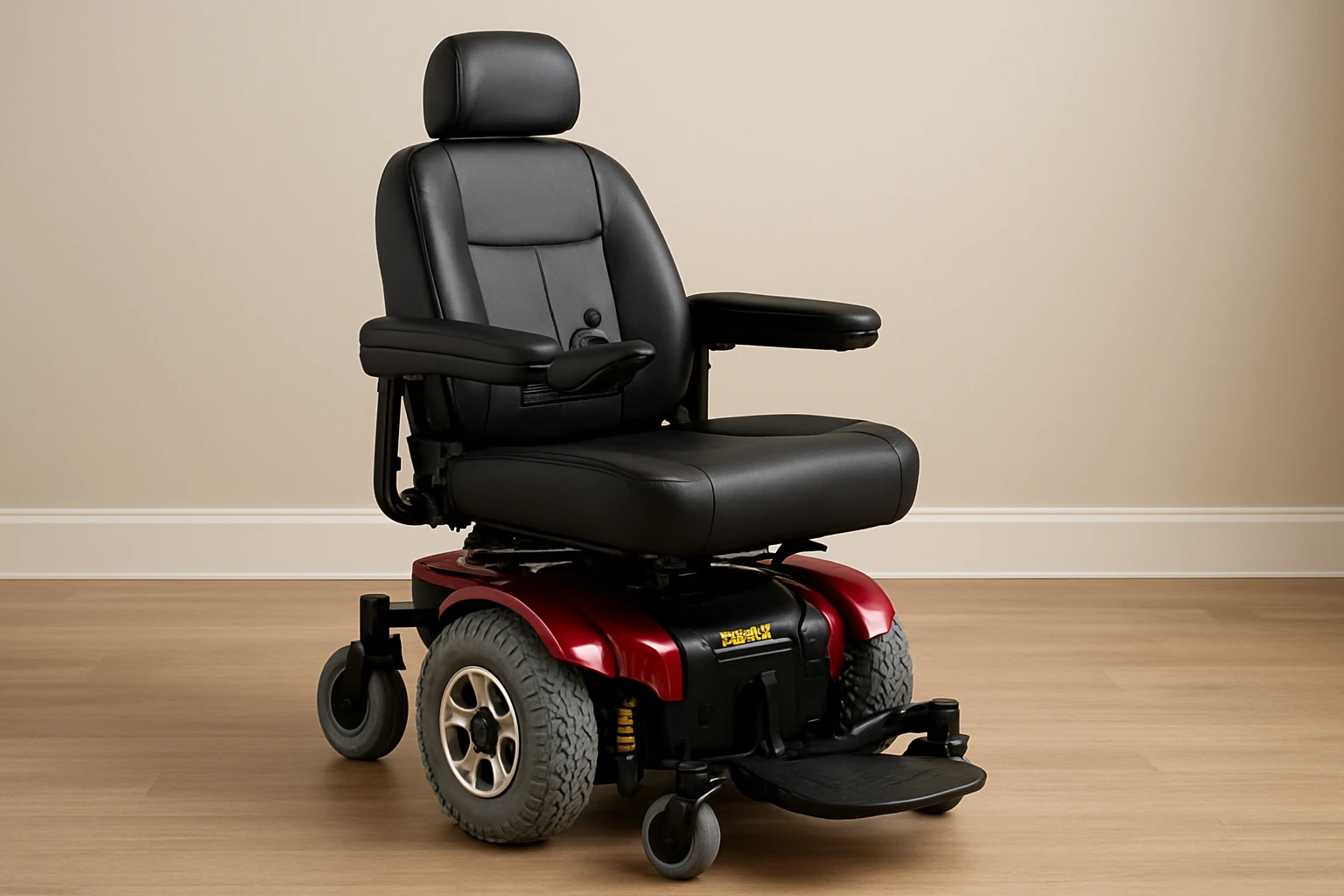
The Jazzy Elite HD is Go Wheelchairs’ heavier-duty offering within the Jazzy family. It is intended for riders who need reinforced frames and wider seat choices compared to standard models. Exact capacities and footprints depend on the chosen configuration, so it’s best to confirm specifications with a Go Wheelchairs specialist before ordering.
- Why it stands out: Built as a heavier-duty member of the Jazzy family with reinforced components and broader seat options on select builds.
- Key specs: Heavy‑duty configuration — capacity and range vary by build; consult Go Wheelchairs for exact specifications and recommended configurations.
- Best for: Riders who need a more robust Jazzy platform with wider seats or reinforced frames.
Go Wheelchairs tip: When assessing heavy-duty models, have the team verify door and vehicle clearances against the fully built dimensions to avoid surprises.
#4 Jazzy Select® — Versatile Everyday Platform
The Jazzy Select is a versatile, dependable model in the Jazzy lineup that suits many day-to-day needs. It offers common accessory compatibility, various seat widths, and straightforward servicing — a solid baseline when you want proven reliability without unnecessary complexity.
- Why it stands out: Familiar Jazzy ergonomics and accessory ecosystem with broad service support.
- Key specs: Typical Jazzy-class specs (up to ~300 lb on common configurations); exact speed and range depend on batteries and controller choices — consult Go Wheelchairs.
- Best for: Riders who want a dependable, well-supported everyday chair with upgrade paths for cushions and controls.
#5 Jazzy® 600 ES — Proven Platform with Durable Components
The Jazzy 600 ES is a long-standing platform in the Jazzy family known for its durability and everyday usability. It tends to appeal to riders who want a straightforward power chair with reliable components and easy parts availability.
- Why it stands out: Time-tested platform with a balance of comfort and durability.
- Key specs: Manufacturer configurations vary; typical Jazzy capacities are around 300 lb on standard builds — check specific batteries and seating options with Go Wheelchairs.
- Best for: Users seeking a no-nonsense chair with broad accessory and service support.
#6 Jazzy® Carbon — Ultra‑Light Travel Model
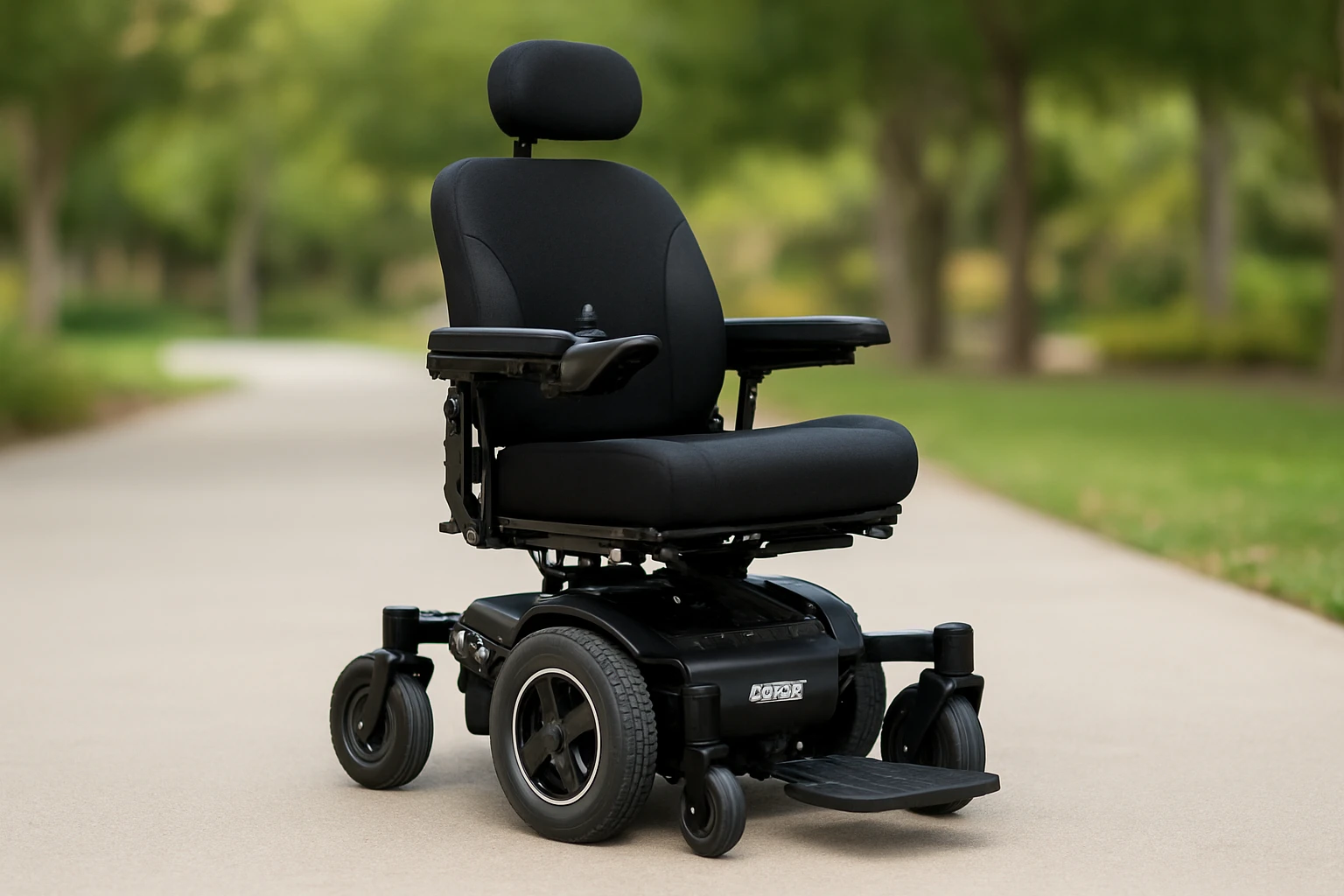
The Jazzy Carbon is marketed as an ultra-light travel model in the Jazzy family, geared toward riders who prioritize transportability and a lighter overall package while retaining power assist. It’s a good alternative for those who like the idea of a small footprint and lighter weight without moving to a manual chair.
- Why it stands out: Marketed for travel and easier transport compared with larger power chairs.
- Key specs: Travel-focused configuration; exact weight limits, speed, and range depend on chosen batteries and options — consult Go Wheelchairs for model details.
- Best for: People who travel frequently and need a lighter powered option that still provides powered mobility.
#7 Jazzy Elite 14® — Compact Footprint, Everyday Reliability
The Jazzy Elite 14 is built for riders who need a compact-powered platform that still offers common seating choices and dependable daily performance. It’s a compact member of the Jazzy family suited for apartment living or smaller vehicles.
- Why it stands out: Compact footprint with familiar Jazzy ergonomics and accessory compatibility.
- Key specs: Typical Jazzy-class configurations — capacities and range vary by battery and seating choices; check with Go Wheelchairs for exact specs.
- Best for: Users prioritizing a smaller overall footprint and straightforward daily usability.
How to Choose the Right Bariatric Power Wheelchair
Start with the realities of your day. Where do you need to go, how long will you sit, and what are your tightest spaces at home, work, or favorite stores? Then layer on clinical requirements like pressure relief and posture. Finally, map coverage with a clear plan: which HCPCS (Healthcare Common Procedure Coding System) category is likely, what documentation your clinician will prepare, and how your insurer evaluates medical necessity. The fastest approvals usually come from pairing the right chair with airtight notes about daily mobility tasks and safety.
- Fit first: Sit-test seat widths and depths with your everyday cushion and shoes on. An extra half inch can transform comfort.
- Turning check: Measure your narrowest hallway and door. Many homes run about 28 to 30 inches at doorways; confirm the chair’s true overall width, not just seat width.
- Range reality: Count typical round-trip distances. If you run multiple errands or have long hallways at work, a longer-range battery can save mid-day charges.
- Seating needs: If you will sit for many hours, prioritize tilt and recline to redistribute pressure.
- Service plan: Ask who services the chair locally and how long typical repairs take. Parts access is peace of mind.
| Your Need | What to Prioritize | Models to Consider |
|---|---|---|
| Highest weight capacity | Reinforced frame, heavy-duty suspension, wider seat options | Jazzy® Elite HD, consult Go Wheelchairs for heavy-duty configurations |
| Tight indoor spaces | Mid-wheel drive, small turning radius, narrow overall width | Jazzy Air® 2 (mid-wheel layouts), Jazzy Elite 14® |
| All-day comfort and posture | Power tilt and recline, premium cushions and backs | Jazzy Select®, Jazzy Elite 14® (models with power seating options) |
| Longest range between charges | Larger batteries, efficient motors, smart controller tuning | Models with optional battery upgrades — check Go Chair® and Jazzy builds |
| Best value with strong support | Proven platform, easy parts access, reliable service network | Jazzy® 600 ES, Jazzy Select® |
Where Go Wheelchairs fits in: This is where having a supportive partner pays off. Go Wheelchairs offers a selection of standard Jazzy models, travel-friendly chairs like the Go Chair®, and an available heavy-duty option in the Jazzy line, plus hands-on guidance for coverage. Their team helps you compare models, complete documentation, and submit for Medicare and insurance. You can also explore their Resources hub for buying guides, side-by-side comparison tools, and travel tips, including how to measure doorways, select cushions, and prepare a power chair for flights or car travel.
Budgeting and coverage can feel like a maze, so here is a simple checklist to discuss with your clinician and a Go Wheelchairs specialist:
- Clinical notes: Your physician and therapist document medical necessity for a power wheelchair at home, not just outdoors.
- Functional goals: Transfers, bathroom access, meal prep, and safe household mobility are typically central to approval.
- Model and features: Match features to needs; for power seating, ensure the notes explain pressure relief and positioning reasons.
- Home fit: Door and hallway measurements, ramp suitability, and charging location identified.
- Service plan: Confirm local service availability and warranty steps.
The bottom line: the right chair is the one that fits your body, your home, and your life, and that you can keep running with timely service. With expert help from Go Wheelchairs, you can get there faster and with fewer surprises.
Final Thoughts
These seven power wheelchairs and platform examples represent strong options to consider for capacity, comfort, maneuverability, and long-term value in 2026. Some are available directly through Go Wheelchairs and others are market examples to help you understand the range of choices.
Imagine rolling into the next twelve months with a chair that fits like it was made for you, glides through your home, and is fully supported if something ever needs a tune-up.
Which combination of capacity, fit, and coverage support will help you move with the most confidence every single day?
Choose With Confidence at Go Wheelchairs
Find dependable mobility and coverage support with our selection of standard and select heavy‑duty motorized wheelchairs, personalized guidance, and Medicare or insurance help from Go Wheelchairs.