
Standard Power Wheelchairs Checklist: 10 Model-Comparison Steps to Match Capacity, Terrain & Medicare Coverage
You should not have to decode a sea of specs to find your freedom. When I helped a neighbor compare standard power wheelchairs, we nearly chose a model that looked perfect on paper but would not fit through his hallway. A simple, thorough checklist saved the day and the return shipping fees. If you want a chair that matches your capacity, terrain, and Medicare coverage pathway, a step-by-step approach reduces risk, speeds up approvals, and keeps your daily life front and center. And since one in four adults in the United States live with a disability, according to the Centers for Disease Control and Prevention [CDC], you are far from alone in this search for the right fit.
Below, you will find ten focused actions that turn uncertainty into clarity. You will compare what matters, avoid what trips up most buyers, and set yourself up for long-term comfort, safety, and service support. Along the way, I will point to how Go Wheelchairs makes each step easier with a wide range of models, personalized guidance, and assistance with insurance and Medicare documentation and pre-authorization support. Ready to move with confidence instead of guesswork?
Pre-work Checklist: Do the Homework That Makes Every Test-Drive Count
Before you look at glossy brochures or scroll through product pages, pause to define your real-world needs. A few careful measurements and lifestyle notes can instantly rule models in or out, saving you hours and preventing costly mismatches. Think of this as laying the foundation of a house; get it square and level, and everything that follows will align beautifully. These four actions will sharpen your search and make the later comparison steps faster, clearer, and far less stressful.
- Quantify your capacity and fit. Record your weight with everyday items you may carry and add a comfort buffer of at least 15 percent. Measure your hip width, thigh length, and lower leg length while seated to guide seat width, seat depth, and footplate height. Note preferred seat-to-floor height so you can roll under tables or reach countertops. If you are taller, broader, or planning to add accessories like oxygen tanks, choose a model with higher weight capacity and reinforced frames right from the start.
- Map your terrain and daily routes. Walk your home and usual destinations with a tape measure and notebook. Check doorway clearances (Americans with Disabilities Act [ADA] guidance often references 32 to 36 inches), hallway widths, elevator size, and ramp grades. List your common surfaces: carpet, tile, hardwood, sidewalk, gravel path, or grassy field. Mark any thresholds, curb cuts, or steep driveways you must navigate, and note local weather that could affect traction and battery range.
- Plan transport, storage, and charging. Will the chair live in a small apartment, a garage, or a shared hallway? Measure your storage space and confirm you have a safe charging area with ventilation and access to outlets. If you transport by car, measure door or hatch openings and trunk height. If you fly, ask your airline about battery rules for lithium‑ion and Absorbent Glass Mat (AGM) batteries, whether a spill-proof battery is required, and what documentation they may need; Go Wheelchairs provides downloadable battery/spec sheets and documentation to help with travel planning.
- Define your coverage and budget path. Decide whether you will pursue Medicare Part B, private insurance, Veterans Affairs benefits, or pay out of pocket. Gather your medical records that document why a cane, walker, or manual wheelchair does not meet your needs for activities of daily living, and schedule the required face-to-face exam with your clinician. Set a target budget that includes accessories, delivery, training, and at least two years of maintenance and battery replacements so you see the full picture.
Execution Checklist: Compare Standard Power Wheelchairs Side by Side
Now that you know your numbers and routes, it is time to compare features that translate into everyday comfort and control. Chairs can look similar yet behave very differently on the turn into your bathroom or the slope up to your porch. Use the next four steps to test what you will actually feel: how the chair turns, climbs, cushions, and communicates with you through its controls. When in doubt, ask Go Wheelchairs for a side-by-side demo or a guided virtual walkthrough that focuses on your measurements and terrain notes.
Watch This Helpful Video
To help you better understand standard power wheelchairs, we’ve included this informative video from Innoforge Studio. It provides valuable insights and visual demonstrations that complement the written content.
| Drive Type | Strengths You Will Notice | Typical Turning Radius | Best For | Consider If |
|---|---|---|---|---|
| Front-wheel drive | Stable curb approaches and smooth obstacle climbing thanks to front traction | Moderate, often tighter than rear-wheel | Mixed indoor and outdoor use with small curbs and ramps | Your space has very tight corners where mid-wheel might turn easier |
| Mid-wheel drive | Exceptional maneuverability; feels like you pivot in place | Smallest among common designs | Indoor living spaces, elevators, and crowded stores | You need maximum outdoor shock absorption on rough trails |
| Rear-wheel drive | Tracking stability at higher speeds and on longer straight paths | Larger than mid-wheel; requires wider turns | Open outdoor areas and long, straight travel | Your home features narrow doorways and tight U-turns |
- Pick the drive and suspension that match your spaces. Use your doorway and hallway measurements to choose between front-wheel, mid-wheel, and rear-wheel. If your top priority is pivoting in a small kitchen, mid-wheel often shines. If you roll over sidewalk seams or gentle curbs daily, front-wheel can smooth the ride. Ask about suspension features like spring or swing-arm designs if you feel every bump, and confirm anti-tip caster behavior on thresholds.
- Match battery chemistry, range, and charger to your lifestyle. Estimate your daily distance, then add a 25 percent buffer for detours, hills, cold weather, and battery aging. Absorbent Glass Mat (AGM) batteries are widely accepted by many airlines and cost less up front, while lithium‑ion batteries can be lighter and charge faster. Check the charger amperage for practical overnight charging, ask how range changes on hills, and verify replacement battery availability through Go Wheelchairs’ service network.
- Dial in seating, posture, and skin protection. Comfort is a safety feature, not a luxury. Choose the right seat width and depth to support your body, and discuss cushion materials like foam, gel, or air to reduce pressure risk if you sit for long periods. Confirm armrest height, swing-away or flip-up legrests, headrest options, seat-to-floor height for table access, and whether you need powered recline for relief during longer outings. A great baseline fit today prevents pressure and posture issues tomorrow.
- Evaluate controls, programmability, and safety features. Try different joystick shapes, mounting positions, and sensitivity settings to fit your strength and range of motion. Look for programmable speed profiles, slow-start acceleration for tight spaces, and hill-hold or electromagnetic braking on slopes. Check lighting and reflectors for dusk visibility, horn volume for busy parking lots, and lap belt or chest strap options if your clinician recommends them. If a caregiver will drive sometimes, test rear attendant controls in the store or during an at-home demo.
| Factor | What to Check | Why It Matters |
|---|---|---|
| Chemistry | Absorbent Glass Mat (AGM) vs. lithium‑ion specifications and airline policies | Determines weight, charge time, travel rules, and long-term cost |
| Range | Estimated miles per charge and your daily route buffer | Prevents mid-day range anxiety and protects battery life |
| Charger | Amperage, charge time, and portability | Ensures practical overnight charging and easy travel |
| Service | Local availability and shipping times for replacements | Reduces downtime if a battery fails unexpectedly |
Validation Checklist: Test, Verify, and Lock in Coverage

You have narrowed the field; now validate your choice where you will actually live, roll, and park. A hallway that looks fine on a floor plan might feel tight with a caregiver walking beside you, and a ramp that seems mild can feel steep on wet mornings. These last steps protect you from surprise costs and delays by confirming fit, documenting medical necessity, and lining up service and warranty support. Go Wheelchairs can coordinate test-drives, help gather documents, and pre-check coverage, so you are never left guessing.
- Test-drive with your measurements and routes in mind. Bring your tape measure to the demo and confirm turning clearance in doorways exactly like yours. Practice starting, stopping, and turning at the slowest and fastest speed settings on tile, carpet, and sidewalk. Drive up and down a ramp with a similar grade to your home or community and listen for any clunks or vibration. If possible, do a home evaluation to try the chair on your thresholds, rugs, and porch, and time how long your typical trip actually takes.
- Confirm coverage, out-of-pocket costs, and service timelines. Ask your supplier to explain coinurance, deductibles, rental-to-own paths, and which accessories are covered versus self-pay under Medicare Part B. Verify the required face-to-face exam notes, letter of medical necessity, and in-home assessment are complete and specific to a power chair. Confirm warranty terms for frame, electronics, and batteries, and get written timelines for repairs and loaner availability. Get it in writing so there are no surprises later.
| Requirement | Provided By | What It Shows | Tips to Speed Approval |
|---|---|---|---|
| Face-to-face clinical exam | Physician or qualified practitioner | Why a cane, walker, or manual wheelchair is insufficient for daily activities | Bring a list of tasks you struggle with at home and work for precise notes |
| Letter of medical necessity | Clinician | Medical justification for a power wheelchair and any required options | Ask for specific language about terrain, endurance, and safety needs |
| In-home mobility assessment | Supplier and/or clinician | That your home supports safe use of a power chair | Measure doorways, ramps, and turning spaces in advance to save time |
| Supplier documentation | Accredited durable medical equipment supplier | Model selected, features, and expected service plan | Confirm serial numbers and options match what you tested and ordered |
Common Misses: Avoid These Easy-to-Fix Pitfalls
Even savvy shoppers sometimes overlook small details that create big headaches. The good news is that each of these misses has a simple fix you can check in minutes. If you feel stuck on any point, lean on Go Wheelchairs; our team can double-check measurements, fine-tune seating, and walk you through Medicare documents so you stay on track and on budget.
- Ignore seat-to-floor height and then discover your knees hit the table. Measure your favorite desks and dining spots and match that clearance.
- Choose a turning radius on paper without trying a real hallway U-turn. Recreate your tightest corner in the demo space and test it at low speed.
- Underestimate battery needs on hilly routes. Add a 25 percent buffer for hills, headwinds, and seasonal temperature changes.
- Skip cushion and backrest choices. If you sit for long stretches, ask about pressure-relief cushions and lumbar or lateral supports.
- Forget caregiver ergonomics. If someone helps you, test transfers, footplate clearance, and push-points that protect their back and shoulders.
- Assume every accessory is covered. Ask what Medicare Part B treats as medically necessary versus convenience, and budget accordingly.
- Overlook service proximity. Make sure your chosen brand and model can be serviced quickly by Go Wheelchairs or a trusted local partner.
- Wait to gather paperwork. Start your documentation as soon as you have your clinician visit on the calendar to avoid delays.
- Pick by brand reputation alone. Let your measurements, terrain, and comfort decide, then choose the model that fits the plan.
- Ignore travel rules. If you fly, verify airline battery policies and get manufacturer letters ready before you book tickets.
Conclusion
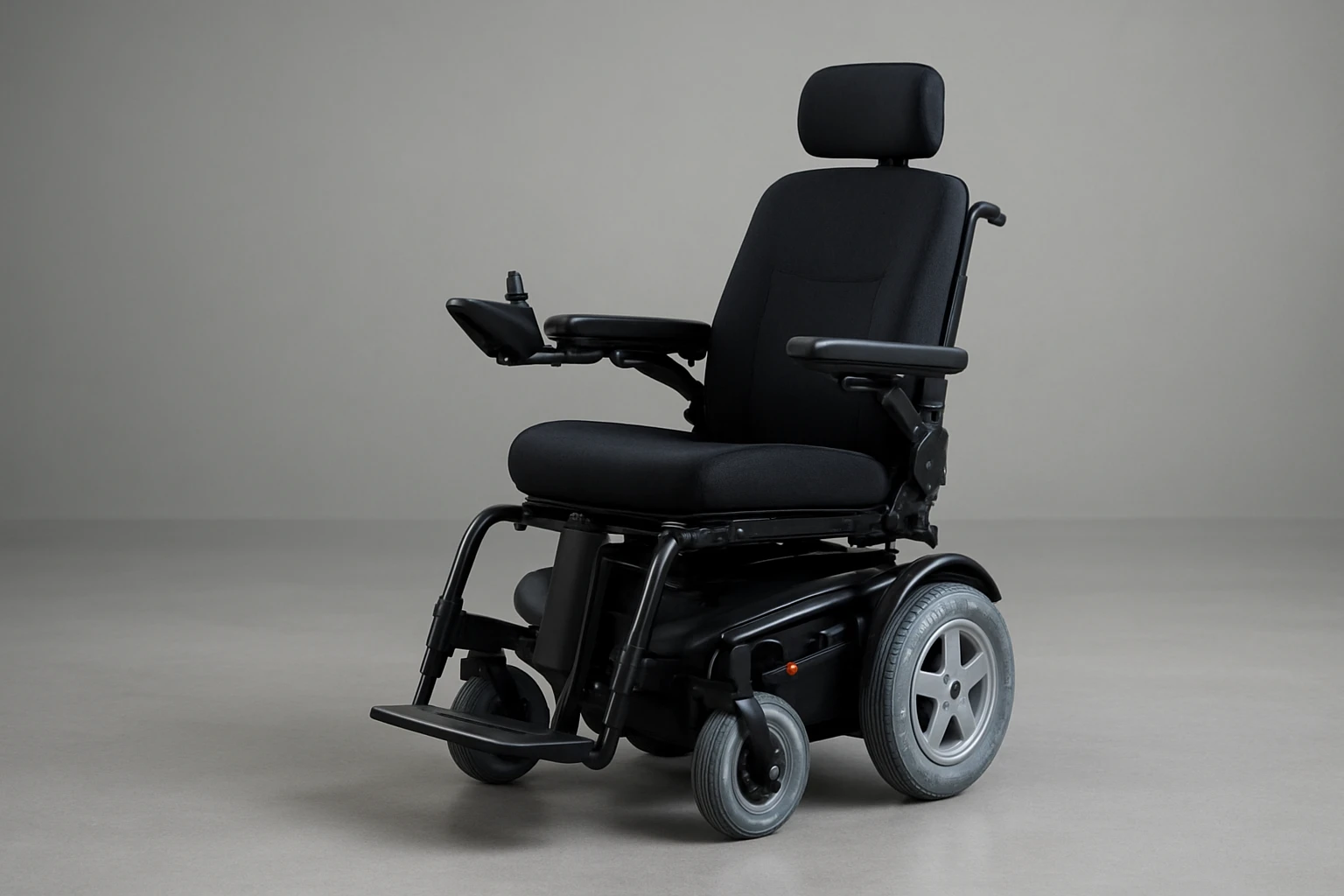
Choose with confidence by working through ten clear actions that align the right chair with your body, your routes, and your coverage path.
Imagine the next year with quicker errands, easier dinners out, and weekend trails that feel smooth and predictable because your chair simply fits. With the right partner, your paperwork, test-drives, and service plan can be as calm as your ride.
What will change first when you match your life to the best standard power wheelchairs: a faster morning routine, a favorite park loop, or the simple joy of rolling without second-guessing?
Navigate Standard Power Wheelchairs with Go Wheelchairs
Explore a wide range of standard and heavy-duty motorized wheelchairs with personalized guidance and Medicare support to move forward confidently and independently.
Bonus: Quick-Reference Comparison Table You Can Print
If you want a single snapshot to take to appointments or share with family, use this grid to capture your top two or three contenders. Bring it to your Go Wheelchairs demo and fill it out side by side while you test-drive and measure in real time.
| Feature | Model A | Model B | Model C | Your Notes |
|---|---|---|---|---|
| Drive Type (front, mid, rear) | Which turned easiest at home-like corners? | |||
| Turning Radius (inches) | Does it clear your narrowest hallway? | |||
| Weight Capacity (pounds) and Frame | 15 percent buffer included? | |||
| Seat Size and Cushion Type | Comfort after 30 minutes? | |||
| Battery Type and Range (miles) | Daily route plus buffer? | |||
| Transport and Storage Fit | Trunk, lift, or ramp compatibility? | |||
| Controls and Safety Features | Programmable speeds, brakes, lighting? | |||
| Warranty and Local Service | Repair time and loaner availability? | |||
| Coverage Readiness (documents ready) | What is still missing? | |||
| Total Cost of Ownership (2 years) | Batteries, service, accessories included? |
Why Go Wheelchairs Fits This Journey
Choosing a chair is about more than specifications; it is about living the day you want, every day. Go Wheelchairs offers a wide range of standard and heavy-duty motorized wheelchairs so you can compare precise fits for body size, terrain, and travel. If you need a light, foldable design to store in a small apartment or lift into a trunk, our lightweight options keep life flexible. If you want outdoor confidence on hills or need higher capacities, our heavy-duty lineup brings sturdier frames and torque where it counts.
Even better, you never have to figure it out alone. Our team provides personalized support and guidance from the first measurement to the final fitting, plus assistance with insurance and Medicare documentation and pre-authorization support so approvals do not stall. Explore our resources hub for buying guides, comparison tools, and travel tips that translate tech-speak into plain English. With responsive service and transparent pricing, we help individuals with mobility challenges find dependable solutions that fit lifestyle and coverage needs—so you can move forward with confidence and independence.