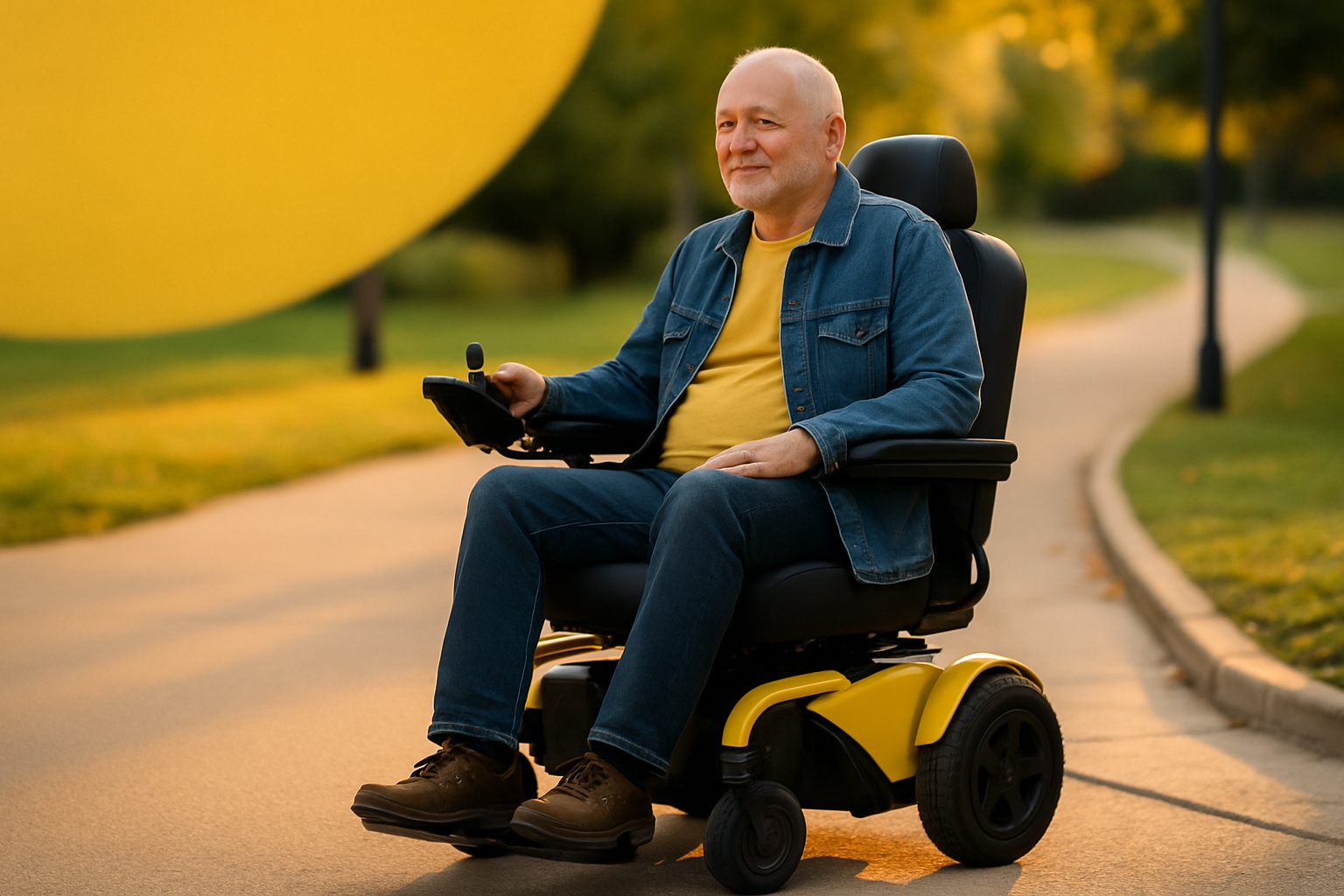
Mobility Independence Solutions That Get You Moving: A Practical Guide to Adaptive Sports, Power Wheelchairs & Medicare
If you are exploring mobility independence solutions, you are in the right place. Maybe you want to return to weekend strolls, join an adaptive tennis league, or simply make cooking dinner feel easier and safer, and you are wondering how to choose the right power wheelchair and navigate Medicare Part B (Medical Insurance) without spending all your energy on paperwork. This practical guide explains what actually works: how to match your chair to your lifestyle, how adaptive sports can rebuild strength and confidence, and how coverage through Medicare and other health insurance providers can help with costs. Along the way, we’ll share real-world stories, insider tips, and simple checklists, so your next step feels less like a maze and more like a clear path forward.
Choosing Mobility Independence Solutions: Power Wheelchairs, Fit, and Funding
Before you look at models or features, start with a bigger question: what do you want life to look like six months from now, and where will your mobility device need to take you each day. I often ask people to imagine their chair as a blend of sneakers and suitcase, because it should help you move comfortably and also carry you through the day without stress. That means thinking beyond specs to routines: narrow hallways at home, curb cuts in your neighborhood, public transit, workplace ramps, or the gym locker room you love. When you map your goals to specific features and funding options, mobility independence solutions stop feeling abstract and start feeling like a plan.
Here is a quick way to frame your choices. First, list your top three terrains and tasks, like tight apartments, cracked sidewalks, or a long work commute. Next, rank what matters most: turning radius, seat comfort and pressure relief, battery range, transportability, or overall weight capacity. Finally, outline how you want to finance the chair, whether through Medicare Part B (Medical Insurance), a Medicare Advantage plan (Part C), private insurance, or flexible payment options. When you connect these three circles — daily life, design features, and coverage — the right power wheelchair usually becomes obvious, and your confidence rises because you are choosing for your actual life, not a brochure.
Adaptive Sports: Confidence, Community, and Cardio
Adaptive sports are one of the fastest ways to turn new mobility into new momentum, and the benefits go far beyond exercise. According to the Centers for Disease Control and Prevention (CDC), about 13.7 percent of adults in the United States live with a mobility-related disability, and research consistently shows that regular activity improves mood, sleep, and independence. Many beginners light up after their first wheelchair basketball session, not because they scored points, but because they found a team that gets it. Whether you are curious about handcycling, wheelchair tennis, adaptive rowing, or pickleball, the right club will meet you where you are and help you progress safely with coaching and peer support.
Watch This Helpful Video
To help you better understand mobility independence solutions, we’ve included this informative video from Mobility Scooters Direct. It provides valuable insights and visual demonstrations that complement the written content.
Not sure where to start. Try this simple approach: pick a sport that matches your goals, visit an open session to test equipment, and talk to the coach about seat posture, transfer strategies, and energy pacing. Many community programs have loaner gear and volunteer buddies, and some events include injury-prevention workshops led by a physical therapist (PT) or an occupational therapist (OT). If your chair doubles as your daily driver, ask the coach to suggest low-impact drills you can do at home to build core stability and shoulder strength. The first win is not a medal — it is the moment you realize your world just got bigger and you are having fun again.
Power Wheelchairs 101: Types, Features, and Real-World Fit
Power wheelchairs generally fall into a few useful categories, and understanding them helps you narrow choices quickly. Standard models prioritize balanced performance for indoor and outdoor use, while heavy-duty models focus on higher weight capacities and durability on uneven terrain. Travel-ready and lightweight, foldable designs make car or rideshare transfers simpler, especially if you need to store a chair in a trunk or closet. Think about this like picking a vehicle: a compact car excels in tight city streets, an SUV handles bumps and cargo, and a convertible folds down when you want flexibility — and every option can be comfortable and safe when set up correctly.
| Category | Typical Weight Capacity | Range per Charge | Top Speed | Foldable | Best For |
|---|---|---|---|---|---|
| Standard Power | 250 to 350 lb | 10 to 18 miles | 4 to 5 miles per hour (mph) | No | Daily home and community use |
| Heavy-Duty Power | 400 to 600 lb | 10 to 20 miles | 4 to 6 miles per hour (mph) | No | Outdoor stability, durability, larger seating |
| Lightweight, Foldable | 220 to 300 lb | 8 to 15 miles | 3 to 4.5 miles per hour (mph) | Yes | Travel, storage, rideshare and car transfers |
Drive configuration also affects how a chair feels. Mid-wheel drive offers tight turning in small spaces, rear-wheel drive tends to track straight outdoors, and front-wheel drive climbs curbs and handles grass well. Try each style if you can, because what looks minor on paper can feel very different in a kitchen or on a sloped sidewalk. If you are curious about stability and learning curve, start with this comparison and picture your home and neighborhood while you read.
| Drive Type | Turning Radius | Indoor Handling | Outdoor Handling | Notes |
|---|---|---|---|---|
| Mid-Wheel | Very tight | Excellent in narrow rooms | Good on smooth paths | Stable, intuitive for many new users |
| Front-Wheel | Moderate | Good in moderate spaces | Great over small curbs and grass | Strong climbing and curb approach |
| Rear-Wheel | Wider | Requires more space to pivot | Tracks straight on longer runs | Confident outdoors at speed |
Medicare and Insurance: How to Qualify and Maximize Coverage

Here is the good news: Medicare Part B (Medical Insurance) can cover a power wheelchair when it is medically necessary for use in the home, and similar rules often guide private insurers. The Centers for Medicare & Medicaid Services (CMS) generally requires a face-to-face exam, a physician’s order, and documentation that a manual wheelchair or scooter will not meet your needs. After your deductible is met, Medicare typically covers 80 percent of the approved amount for durable medical equipment (DME), and you pay the remaining 20 percent out of pocket or through a secondary plan. Policies vary by state and plan, so treat this as a map rather than a verdict, and ask your supplier to help you confirm benefits before you commit.
To make the process smoother, think in steps. First, talk to your primary care clinician about daily barriers like transferring, propelling a manual chair, or safely navigating your home. Next, request an evaluation with an Assistive Technology Professional (ATP) and, if possible, a physical therapist (PT) or occupational therapist (OT) for seating and positioning. Then, gather paperwork and submit prior authorization when required by the Centers for Medicare & Medicaid Services or your private insurer. If you want a quick reference for who does what, the table below can save time and reduce those back-and-forth calls.
| Requirement | What It Means | Who Helps |
|---|---|---|
| Face-to-Face Evaluation | Clinical visit documenting medical need for a power wheelchair at home | Primary clinician, therapist |
| Detailed Written Order | Prescription with diagnosis, features, and justification | Physician or clinician |
| Home Assessment | Confirms you can operate the device safely in your environment | Therapist, supplier |
| Prior Authorization | Plan review before delivery to confirm coverage | Supplier coordinates with insurer |
| Delivery and Training | Chair fitted to you with safety training and adjustments | Supplier, therapist |
- Pro tip: Keep a two-week activity journal noting where you struggle, how far you travel, and any pain or fatigue. Specifics make stronger documentation.
- Ask whether your plan requires using a contracted supplier. Out-of-network orders can delay or reduce coverage.
- If you are on a Medicare Advantage plan (Part C), confirm any extra prior authorization steps and timelines with your plan directly.
The Go Wheelchairs Advantage: From Conversation to Coverage
Go Wheelchairs exists for one reason: people deserve dependable mobility that fits their lives and their budgets. If you have ever felt overwhelmed comparing models or uncertain about insurance language, you will appreciate how our team simplifies the journey. We offer a wide range of standard and heavy-duty motorized wheelchairs plus lightweight, foldable wheelchair designs, and we back that up with personalized support and guidance from your first question to your first roll around the block. Because coverage can be the dealmaker, our specialists help with insurance and Medicare assistance, reviewing benefits and paperwork so you know your options before you decide.
Real stories bring this to life. Maya wanted to return to teaching and needed tight indoor maneuverability with pressure relief to protect her skin; we matched her with a mid-wheel chair, added a tilt function for pressure management, and coordinated her documentation with the Centers for Medicare & Medicaid Services criteria. Rob works in a warehouse office and spends weekends at his kids’ soccer fields; he chose a heavy-duty model with outdoor suspension, a longer-range battery, and a captain’s seat for comfort, and our team walked him through prior authorization and delivery day training. Both said the same thing later: choosing felt easier because the information was clear and every step was supported.
Daily Life Made Easier: Setup, Travel, and Maintenance Tips
Getting the most from your chair is about habits as much as hardware. Start with seating: if you are sitting more hours than before, ask for a pressure mapping or posture check with a therapist to fine-tune cushion choice, lumbar support, and armrest height. Set a range routine, too, by charging at the same time daily and keeping your charger handy at work or school. Finally, mark a monthly “mini tune-up” on your calendar to check tires, joystick calibration, and any squeaks, because a quiet chair is a comfortable chair and regular care prevents little issues from becoming big ones.
Travel is absolutely possible with the right prep and a calm checklist. If you are flying, tell the airline you are traveling with a power wheelchair and specify battery type when booking; airlines have clear processes under Department of Transportation (DOT) rules, and labeling your chair’s instructions makes gate checks smoother. For cars, practice your transfer or loading routine at home before a long trip and secure the chair using tie-down points to protect both the frame and electronics. The quick list below covers the little things that save day trips and vacations.
- Carry a small toolkit with an Allen key set, spare fuses, and valve caps for pneumatic tires.
- Download offline maps noting curb cuts, elevator locations, and accessible entrances.
- Keep a weather kit: light rain cover, quick-dry cloth, and a small plastic bag for the joystick.
- If you use public transit, learn the busiest times and station layouts, and ask staff for boarding ramps when needed.
| Common Environment | Features to Prioritize | Why It Helps |
|---|---|---|
| Small Apartments | Mid-wheel drive, compact footprint, swing-away legrests | Easier doorways and kitchen turns |
| Uneven Sidewalks | Heavy-duty frame, suspension, larger drive wheels | Stability and comfort outdoors |
| Frequent Travel | Lightweight, foldable frame, quick-release battery | Simpler car loading and storage |
| Long Workdays | Tilt or recline, adjustable armrests, premium cushion | Pressure relief and posture support |
How Go Wheelchairs Helps You Decide Faster

Information overload is real, so we built a resources hub offering buying guides, comparison tools, and travel tips in plain language. You can compare turning radius options, seat widths, and battery ranges side by side, then jump into a quick call for personalized support and guidance tailored to your height, weight, home layout, and daily mileage. If you have insurance, our team will pre-check benefits and outline any copays or authorizations so there are no surprises later. It is a friendly, consultative process designed to make you feel informed and in control rather than sold to.
When it is time to choose, you can test-drive from a wide range of standard and heavy-duty motorized wheelchairs, plus lightweight, foldable wheelchair designs for travel or tight storage. We will help you decide on drive type and seating, gather documentation for durable medical equipment coverage, and schedule delivery with training that includes obstacle practice and maintenance basics. Most importantly, you get a partner who stays available after delivery for tune-ups, accessories, and upgrades as your life evolves. The goal is simple: dependable mobility that matches your lifestyle and coverage needs, so your world opens up right away.
What the Numbers Mean for You
Let us put the trends in perspective. The Centers for Disease Control and Prevention estimates that millions of adults in the United States live with mobility limitations, and a large share cite pain, fatigue, or fall risk as daily barriers — exactly the issues a well-fitted power wheelchair and consistent activity routine can address. Meanwhile, industry data shows heavy-duty models commonly support 400 to 600 pounds and many standard models reach 10 to 18 miles per charge, which is more than enough for a full day of errands and work. On the coverage side, Medicare Part B (Medical Insurance) typically pays 80 percent of the approved amount after the deductible when medical necessity is documented, and suppliers like Go Wheelchairs can help you get the paperwork right the first time.
Statistics are helpful, but your story is what matters. You might need a chair that navigates a studio apartment and a tight elevator, or you might want outdoor stability for weekend markets and sports practice. Start with your picture of a good day, translate that into features, and then align the funding. When you do, mobility independence solutions become less about gear and more about the life you are stepping into.
Final Thoughts: Your Next Move
The best mobility plan blends the right chair, smart routines, and coverage you understand. Imagine the next 12 months with fewer limits — smoother mornings, spontaneous coffee runs, and maybe a new adaptive sport that brings back your competitive spark. What would change for you if your daily moves felt lighter and your choices wider, and which mobility independence solutions will get you there first?
Additional Resources
Explore these authoritative resources to dive deeper into mobility independence solutions.
Advance Mobility Independence Solutions with Go Wheelchairs
Explore a wide range of standard and heavy-duty motorized wheelchairs, with guidance on insurance and Medicare coverage, so individuals secure dependable mobility and renewed independence.