
Shopping for dme medical (Durable Medical Equipment medical) suppliers for a wheelchair can feel like learning a new language while juggling receipts. You want the right chair, from the right partner, at the right price, and you want Medicare to say yes. This guide breaks everything down into bite-sized steps that real people use every day to secure the mobility gear they need without wasting time or money.
Here’s the good news: when you follow a smart checklist, you reduce denials, speed up approvals, and avoid surprise bills. Medicare Part B (Medical Insurance) typically covers 80 percent of the Medicare-approved amount after your deductible, which means picking the right supplier and paperwork path is half the battle. And with an experienced ally like Go Wheelchairs by your side, the whole process gets friendlier, faster, and more transparent.
Below, you’ll find a practical, field-tested list you can use today. I’ll share what each step is, why it matters, and a quick example you can borrow. Ready to cut the confusion and roll forward with confidence?
#1 Confirm Medicare Enrollment and Accreditation
What it is: Before anything else, make sure your wheelchair vendor is Medicare-enrolled and, if they claim it, accredited by a nationally recognized organization. Ask about real-world service coverage too: delivery, in-home setup, and how repairs are handled or coordinated. If a supplier hesitates to provide written proof or dodges questions about support, consider that a red flag.
Why it matters: Medicare can deny claims if your supplier isn’t properly enrolled or if documentation doesn’t meet standards. Choosing a compliant vendor protects your benefits and your wallet. It also indicates the supplier follows quality and safety practices that translate into better fitting equipment, smoother maintenance, and fewer headaches down the road.
| Requirement | What to Ask | What Good Looks Like |
|---|---|---|
| Medicare Enrollment | “Can you share written proof you’re Medicare-enrolled?” | Supplier provides documentation without hesitation. |
| Accreditation | “If applicable, which accrediting body recognizes your business?” | Clear, current certificate if accreditation is claimed. |
| Service Area | “Do you deliver and set up at my address, and how are repairs handled in my area?” | Transparent delivery windows and clear explanation of repair coordination or referrals. |
| Repairs & Loaners | “What’s your repair turnaround and loaner policy? If you don’t handle repairs in-house, who provides them?” | Written timelines and clarity on loaner availability or third-party repair arrangements. |
| Pricing Transparency | “Can I see an itemized estimate before ordering?” | Detailed quote with covered vs non-covered items. |
Quick example: A friend of mine only asked about price and waited weeks for a vague update. When we switched to a supplier that freely shared enrollment proof and a written repair policy, everything clicked. Go Wheelchairs is upfront about service expectations and will walk you through verification, delivery plans, and how they coordinate setup, documentation, and maintenance guidance before you sign.
#2 Verify dme medical (Durable Medical Equipment medical) Eligibility and Documentation for Medicare
What it is: For Medicare to cover a wheelchair, your clinician must document medical necessity and issue a detailed order. For many power wheelchairs, you also need prior authorization. Typical paperwork includes: a face-to-face visit note describing your mobility limitation at home, a prescription specifying the exact device and features, and proof that the chosen device is reasonable and necessary for daily tasks like toileting, dressing, and meal prep.
Why it matters: Missing one required piece can delay or derail coverage. The fastest approvals usually come when the supplier coordinates with your clinician to ensure the notes match Medicare’s language. Many approvals turn on small details like seat width, weight capacity, and why a cane, walker, or manual wheelchair would not meet your needs as safely or effectively as a power chair.
Quick example: Go Wheelchairs pairs you with a coverage guide who helps your clinician capture the right details. They’ll review the order before submission, flag anything Medicare might question, and keep you posted on prior authorization status so you’re not left in the dark.
#3 Match the Device to Your Daily Life: Manual, Power, Heavy-Duty, or Travel-Foldable
What it is: The right wheelchair reflects who you are and where you go. Think about terrain, home layout, transport needs, and body size. From manual chairs to standard power models, and from heavy-duty workhorses to lightweight, foldable designs, your lifestyle and clinical needs should drive the pick, not just a catalog listing.
Why it matters: A poorly matched chair turns simple days into obstacle courses, while the right one makes home, errands, and travel feel doable again. Medicare coverage is tied to medical necessity, so every feature should have a purpose. Convenience upgrades may be out-of-pocket, but they can be worth it if they meaningfully improve your independence.
| Device Type | Best For | Coverage Notes | Weight Capacity | Transport Friendliness |
|---|---|---|---|---|
| Manual Wheelchair | Short distances, caregiver push, tight budgets | Often covered when medically necessary | Varies by frame; ask supplier | Typically lighter; easier to load |
| Standard Power Wheelchair | Daily indoor mobility, moderate terrain | Often needs prior authorization | Commonly 250 to 300 pounds | Heavier; vehicle lift may help |
| Heavy-Duty Power Wheelchair | Higher weight capacity, robust use | Medical necessity must support heavy-duty features | Often 350 to 450 pounds or more | Bulky; plan transport strategy |
| Travel/Foldable Power Chair | Frequent outings, limited storage, portability | Coverage varies; some features may be upgrades | Check model specifications | Foldable frames simplify car travel |
Quick example: If you’re frequently in and out of a sedan, a lightweight, foldable power chair might be worth paying a bit extra for. Go Wheelchairs stocks both standard and heavy-duty motorized options plus travel-friendly designs, and their team explains how each fits into coverage rules and real-world routines.
#4 Choose Rent or Buy With a Clear Plan
What it is: Some items are rented, others purchased, and certain categories convert from rental to ownership after a set number of payments. Policies differ by device type and region, so ask your supplier exactly how your wheelchair will be billed and when it becomes your property.
Why it matters: Rental can lower upfront costs and include maintenance, while buying may make sense for long-term, daily users who want full ownership sooner. Your total cost depends on coverage, coinsurance, and how long you need the device. Knowing the path avoids surprise bills and helps you plan for accessories or transport solutions.
| Path | Pros | Cons | Good Fit |
|---|---|---|---|
| Rent (Capped) | Lower upfront cost, service often included | Ongoing monthly bills until cap | Short-to-medium-term use, trialing a model |
| Buy | Full ownership, no monthly bills | Higher upfront cost; you own maintenance after warranty | Daily, long-term use; customizing for your body |
Quick example: One reader opted to rent first while healing. After four months, their clinician confirmed long-term need, and the plan shifted to purchase. Go Wheelchairs lays out the rent-versus-buy math in writing so you can compare scenarios side by side.
#5 Understand Coinsurance, Deductibles, and Upgrades

What it is: Medicare Part B (Medical Insurance) typically covers 80 percent of the Medicare-approved amount after you meet your deductible; you pay the remaining 20 percent coinsurance. If you add bells and whistles beyond medical necessity, those are upgrades and usually out-of-pocket. When a feature may not be covered, you should receive an ABN (Advance Beneficiary Notice of Noncoverage) so you can decide whether to proceed.
Why it matters: Clear cost visibility lets you prioritize features that give you mobility dividends. A great chair with the right cushion and batteries beats a flashy chair with noncovered extras. Ask the supplier to show exactly what Medicare is expected to cover, what you owe, and what happens if prior authorization is denied.
| Cost Factor | What to Know | Pro Tip |
|---|---|---|
| Coinsurance | Usually 20 percent after deductible | Ask for a written estimate before ordering |
| Deductible | Applies before coverage kicks in | If you’ve met it this year, time your purchase |
| Upgrades | Comfort or convenience features may not be covered | Weigh comfort gains vs. out-of-pocket cost |
| ABN (Advance Beneficiary Notice of Noncoverage) | Required when coverage is uncertain | Use it to make informed choices |
Quick example: A client wanted power tilt for pressure relief and a premium travel battery. The tilt was covered as medically necessary; the premium battery was not. With line-by-line estimates from Go Wheelchairs, they chose the tilt now and saved for the battery later.
#6 Get the Fit Right: Measurements, Capacity, and Home Layout
What it is: A wheelchair is more like tailored clothing than a sofa. Seat width and depth, back height, joystick placement, footplate style, and cushion type affect comfort and safety. Weight capacity and turning radius should match your body and your home’s spaces, including doorways, hallways, and bathrooms.
Why it matters: The wrong fit can cause shoulder strain, pressure points, and frustrating scrapes in narrow doorways. Many heavy-duty power chairs support 350 to 450 pounds or more, and standard indoor turning radiuses often range from about 20 to 25 inches. If you have a tight bathroom or narrow kitchen, those inches matter a lot.
Quick example: A neighbor kept bumping a hallway corner until a specialist moved the joystick and adjusted the turning speed. Go Wheelchairs conducts thoughtful fit conversations and suggests models with the right weight capacity, seat dimensions, and maneuverability for your space.
#7 Nail the Delivery, Training, and Repair Plan
What it is: Ask when and how your chair will arrive, who sets it up, and how you’ll learn to use features like speed profiles or recline. Then get a specific repair plan: response times, diagnostic process, parts availability, battery replacement policies, and whether loaners are available for longer repairs.
Why it matters: Most people focus on getting approved and forget the next 12 months. A well-run service plan keeps small issues from becoming big setbacks. Batteries typically last a year or more with regular use, but they need care; proper charging habits and timely service visits can extend life and range.
Quick example: One customer’s first week was a joyride because the delivery tech walked through joystick sensitivity and seat positioning. When a tire later wore out, the supplier was able to coordinate a timely replacement. Go Wheelchairs coordinates setup and provides maintenance guidance so you get moving faster and stay moving longer.
#8 Compare Warranties and Return Policies
What it is: Warranties cover defects for a set time and may differ by component. Returns can be limited for customized equipment, so know the rules before ordering. Ask for warranty terms in writing and how service is handled under warranty vs. normal wear.
Why it matters: A strong warranty reflects confidence in the product. Frames often carry longer coverage than electronics, and batteries may have separate terms. If you need specialized seating, clarify what happens if the fit isn’t quite right on delivery and what adjustments are included.
| Component | Typical Coverage | What to Clarify |
|---|---|---|
| Frame | Often multi-year | Coverage for cracks, bending, welds |
| Electronics | Commonly 1 to 2 years | Controllers, motors, joystick, labor limits |
| Batteries | Frequently 6 to 12 months | Performance testing and prorated terms |
| Upholstery/Seating | Varies widely | What’s covered vs. normal wear |
Quick example: A shopper compared two chairs with similar prices but different electronics warranties. The model with longer electronics coverage won the day. Go Wheelchairs provides side-by-side warranty details and explains what counts as normal wear vs. a covered repair.
#9 Look Beyond the Chair: Accessories and Total Cost of Ownership
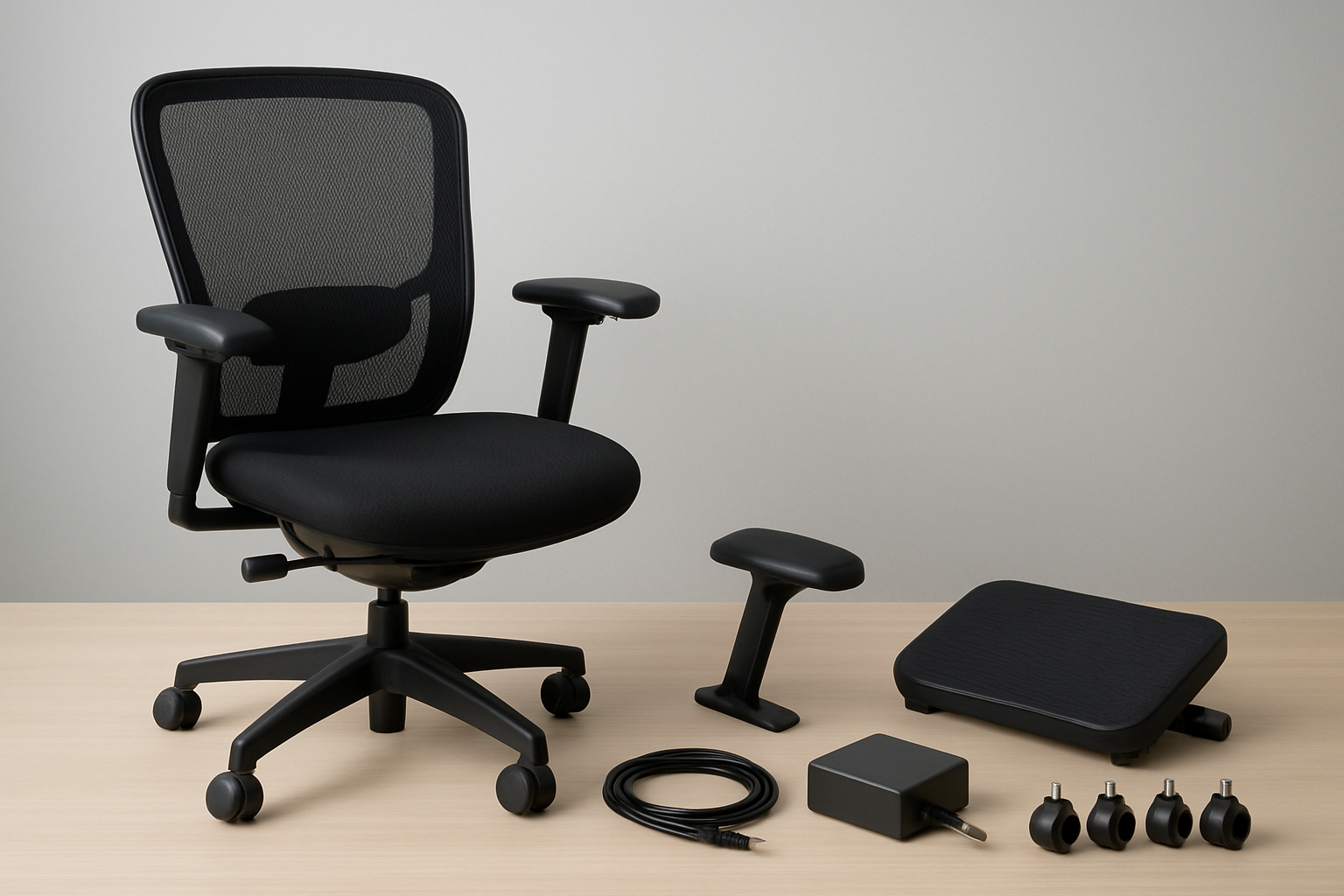
What it is: Accessories like cushions, positioning supports, seat belts, and storage add function and comfort. You may also need a vehicle lift, portable ramp, or indoor threshold aids. Over time, factor in consumables like tires and batteries, plus periodic tune-ups.
Why it matters: A well-chosen cushion can reduce pressure issues and improve posture, making everything from breathing to shoulder health better. Batteries can lose capacity faster with heavy hills or long commutes, so budgeting for replacement keeps your chair reliable. Understanding these costs upfront lets you plan without stress.
Quick example: After a few months, a rider realized a contoured cushion eliminated hip soreness, and a compact car ramp made weekend trips easy. Go Wheelchairs’ resources hub includes buying guides and comparison tools, so you can prioritize the add-ons that pay off in daily comfort and independence.
#10 Lean on Expert Guidance and Ongoing Support
What it is: You’re not just buying equipment; you’re choosing a partner for approvals, setup, and service. A great supplier offers personalized guidance, helps with insurance and Medicare paperwork, and checks in after delivery. They should also have a wide catalog, from standard to heavy-duty motorized chairs and lightweight, foldable designs.
Why it matters: Personalized support turns a maze into a map. You get faster answers, fewer delays, and a chair that fits your life. When a team really listens, they’ll recommend a model that meets coverage criteria while still matching your body, your home, and your goals.
Quick example: I’ve watched people second-guess every decision until a knowledgeable rep put options and costs into a simple table. The relief was palpable. Go Wheelchairs brings that same calm clarity with a wide range of standard and heavy-duty motorized wheelchairs, plus step-by-step help on coverage details.
How to choose the right option
If you want a quick decision framework, try this. First, list your top three daily activities that feel hardest without a wheelchair. Next, mark your home’s pinch points: narrow doors, tight hallways, or steps. Then, match device type to need: manual for short trips and caregiver help, standard power for daily indoor independence, heavy-duty for higher capacity or rugged use, and foldable power if portability is essential.
- If you need all-day independence at home, prioritize a power chair with a tight turning radius and clinically justified seating features.
- If vehicle transport is frequent, weigh a foldable power chair or plan a vehicle lift for heavier models.
- If budget is tight, use a rent-first plan when available, and ask for line-item estimates showing covered vs. non-covered features.
- If you’re unsure, schedule a fit conversation with Go Wheelchairs and request a side-by-side comparison of two models you’re considering.
Finally, time your purchase. If your deductible is met, or if a clinician visit is already scheduled, ride that momentum. A well-timed order can save you money and weeks of waiting.
Why this framework works: It aligns your real-life goals with coverage rules and technical specs, so you get a chair that is medically necessary, comfortable, and practical to transport. And with a partner like Go Wheelchairs to coordinate the paperwork and setup, you’ll spend more time moving and less time managing forms.
Conclusion
This checklist gives you a clear path to vet wheelchair vendors, line up coverage, and choose features that genuinely support your daily life. In the next 12 months, small decisions like a better cushion or smarter transport plan can add hours of freedom back to your week. What could you do with mobility that feels as reliable as a good friend?
Imagine breezing through authorization because your documentation is airtight, then gliding through your doorway without a scratch. If every step here brought you closer to clarity, what’s your very next move on your dme medical (Durable Medical Equipment medical) journey?
Additional Resources
Explore these authoritative resources to dive deeper into dme medical.
Choose Confidently with Go Wheelchairs
Explore a wide range of standard and heavy-duty motorized wheelchairs with coverage guidance, so you can move forward with confidence and independence.