
Why a Heavy Duty Motorized Wheelchair for High Weight Capacity Changes Mobility: Fit Checklist, Top Models & Medicare Tips
If you have been wondering whether a heavy duty motorized wheelchair for high weight capacity could truly change day-to-day life, you are not alone. Many people tell me they want confidence on slopes, steady curb handling, and seats that actually fit their bodies, not just their measurements on paper. The right chair does more than move you from point A to point B; it reduces fatigue, expands your radius of living, and restores control. So, let’s talk about how to choose wisely and how Go Wheelchairs makes the whole process easier, from fit to funding.
In the next few minutes, you will get a clear fit checklist, side-by-side comparisons of standout models, and practical Medicare and insurance steps that reduce surprises. Along the way, I will share tips learned from real users and clinicians who care about pressure relief, posture, and ease of transport. If you are picturing a dry spec sheet, do not worry; we are going to keep this friendly and plain-spoken. And yes, we will cover how Go Wheelchairs pairs you with the right setup and helps you navigate coverage with less stress.
What a Heavy Duty Motorized Wheelchair for High Weight Capacity Really Means
Heavy duty chairs are engineered for durability, stability, and comfort when standard frames are not enough, and that design difference is not subtle. Think reinforced cross members, higher torque motors, and wider seating that supports real-world use across thresholds and uneven sidewalks. In the broader market, some heavy duty or bariatric power chairs support 400 to 600 pounds (lbs) [pounds], with some specialized builds going higher, while still offering respectable top speeds around 4 to 5 miles per hour (mph) [miles per hour]. However, Go Wheelchairs’ documented models and current listings predominantly show capacities around 300 pounds, so be sure to confirm the specific capacity and configuration that matches your needs.
Seat width and depth options matter just as much as weight ratings, because a chair that is technically “strong enough” can still be uncomfortable if it does not fit. Many of the chairs shown in Go Wheelchairs’ catalog feature standard seat widths around 20 inches; wider seat widths are available in the broader market, but may not appear across every retailer’s inventory. You will also find deeper cushions and higher backs to manage trunk support over longer days. Batteries tend to be higher capacity in true heavy-duty builds, often using sealed lead-acid or lithium-ion packs with more Ampere hour (Ah) [Ampere hour] for extended range. Finally, drive configuration matters: center-wheel drive offers a tight turning circle for indoor use, front-wheel drive enhances curb climbing and outdoor traction, and rear-wheel drive can feel more intuitive to lifelong manual chair users.
The Fit Checklist: Measure Once, Roll Forever
Getting the fit right is the single best way to turn a good chair into “that was the best decision I made all year.” It starts with a few measurements and posture checkpoints that take ten minutes and pay you back every day. Grab a flexible tape measure, sit on a firm surface with your usual shoes, and ask a friend to help. While you are at it, pay attention to how your shoulders, hips, and knees feel; comfort cues are as valuable as numbers, and your body often tells you what the spec sheet cannot.
Watch This Helpful Video
To help you better understand heavy duty motorized wheelchair for high weight capacity, we’ve included this informative video from Mobility Scooters Direct. It provides valuable insights and visual demonstrations that complement the written content.
- Seat width: Measure hip-to-hip, add about one inch for light clothing, two inches for winter layers.
- Seat depth: From the back of your hip to behind the knee crease, then subtract about one inch to avoid pressure under the thigh.
- Back height: From seat base to the top of your shoulder blade; add if you prefer headrest support.
- Footplate to seat: Floor to knee height when wearing your usual shoes, then account for cushion thickness.
- Armrest height: Seat base to bottom of elbow when your arms are relaxed at 90 degrees.
To make these numbers easy to reference when you compare chairs, here is a compact cheat sheet. Keep it handy when you speak with a Go Wheelchairs specialist so they can match you to frames, cushions, and accessories faster.
| Fit Item | How to Measure | Typical Range for Heavy Duty | Comfort Tip |
|---|---|---|---|
| Seat Width | Hip-to-hip plus clothing allowance | 20 to 24 inches (site listings commonly ~20 inches) | Too wide can cause leaning; too narrow increases pressure. |
| Seat Depth | Back of hip to knee crease minus one inch | 18 to 22 inches | Leave space to prevent pressure at the knee crease. |
| Back Height | Seat base to top of shoulder blade | 18 to 24 inches | Higher backs help posture for longer outings. |
| Footplate Height | Floor to knee height minus cushion thickness | Adjustable | Ensure toes clear thresholds and ramps. |
| Armrest Height | Seat base to relaxed elbow at 90 degrees | Adjustable | Supports shoulders and makes transfers easier. |
If you are unsure about any of this, Go Wheelchairs offers personalized support with trained advisors who can review your measurements, suggest cushion options, and coordinate a clinical evaluation when needed. Their Resources hub includes printable guides, comparison tools, and travel tips, so you are not just guessing. That kind of guidance prevents “almost right” fits that create pressure points or shoulder strain later. It is your daily ride; it should feel like it was built for you.
Top Models Compared: Range, Turning Radius, and Comfort
When people ask for a short list, they usually want a balance of capacity, indoor agility, and all-day seating. Below are well-regarded models and examples you may encounter; availability through Go Wheelchairs may vary by time and region, and specifications can differ by configuration. Use this as a conversation starter and verify final specifications with a Go Wheelchairs specialist or manufacturer documentation. The key is to match your priorities, whether that is tight turning indoors, longest possible range, or maximum weight capacity.
| Model (Example) | Weight Capacity | Seat Width Options | Turning Radius | Range per Charge | Top Speed | Standout Features |
|---|---|---|---|---|---|---|
| Go Chair® (Go Chair Power Wheelchair) | About 300 pounds (lbs) | Typical compact widths (site listings commonly ~20″) | Compact / designed for portable use | About 11.2 miles | About 3.8 miles per hour (mph) | Lightweight, disassembles into 5 pieces for transport |
| Pride Jazzy Air® 2 | About 300 pounds (lbs) | Standard mid‑width options (commonly ~20″) | Mid-wheel drive agility (varies by configuration) | Approximately 19.2 miles (varies by setup) | Up to about 4 mph while elevated | 12″ seat elevation for improved reach and visibility |
| Pride Jazzy Elite 14® | About 300 pounds (lbs) | Standard widths (varies by model) | Varies by wheel configuration | Varies by battery and configuration | Typical power wheelchair speeds | Solid mid-wheel options and balanced indoor/outdoor use |
| Pride Jazzy Select® | About 300 pounds (lbs) | Standard widths (site listings commonly ~20″) | Mid-wheel drive with Active‑Trac® suspension | Varies by configuration | Typical power wheelchair speeds | Active‑Trac® suspension and high‑back seating for comfort |
| Pride Jazzy® 600 ES (bestseller on site) | About 300 pounds (lbs) | Standard widths (varies by listing) | Varies by configuration | Varies by battery choice | Typical power wheelchair speeds | Bestseller, widely available parts and support |
A few quick tips as you compare: center-wheel drive chairs pivot more tightly for kitchens and bathrooms, while front-wheel drive handles uneven terrain with less wheel spin. If transfers are your priority, look at swing-away leg rests and flip-back armrests, which reduce clearance issues next to beds and chairs. For pressure management, consider gel or air cushions and adjustable backrests; comfort over six hours is different from comfort for thirty minutes. If your caregiver needs to lift or store the chair, ask about modular designs, transport brackets, or foldable and lightweight options carried by Go Wheelchairs.
Medicare and Insurance: Step-by-Step Coverage Tips
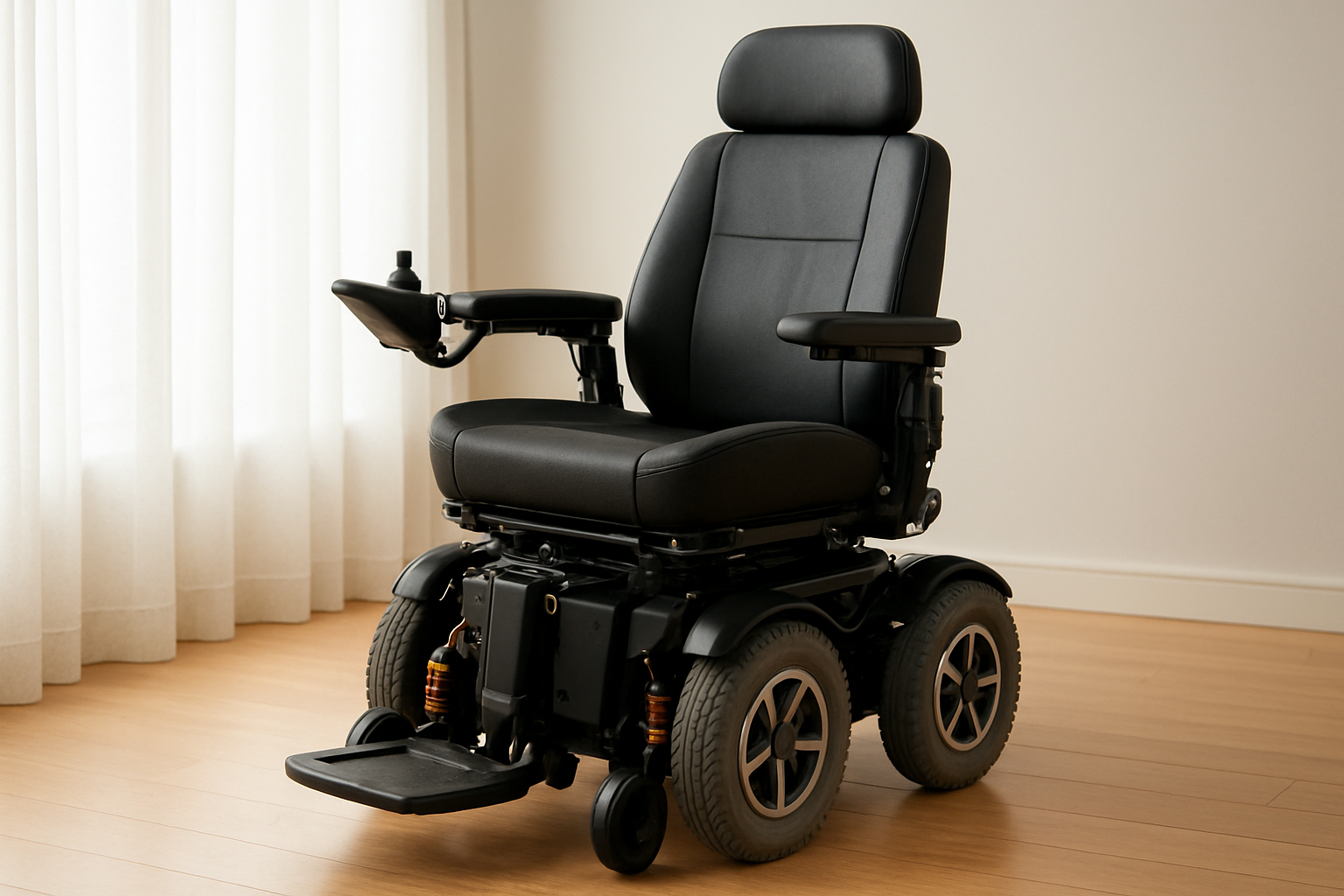
Good news: Medicare Part B can help cover a power wheelchair when it is deemed medically necessary Durable Medical Equipment (DME) [Durable Medical Equipment] for use inside your home. The determination hinges on a face-to-face evaluation and your provider’s documentation that you cannot perform essential daily activities with a cane, walker, or manual chair. Many heavy duty models fall under Healthcare Common Procedure Coding System (HCPCS) [Healthcare Common Procedure Coding System] codes in the K08xx series, such as K0824 or K0825 for Group 2 heavy duty chairs, while more complex rehab systems may use K0840 and above. Always confirm coding and coverage with your prescriber and supplier, because small feature differences can shift the code.
Here is a quick reference to keep the process on track. Use it to plan your appointments and paperwork timeline, then ask Go Wheelchairs to help coordinate with your clinician and insurer. Their team routinely assists with forms, prior authorizations, and navigating Medicare supplier requirements, so you are not left guessing.
| What You Need | Who Provides It | Why It Matters |
|---|---|---|
| Face-to-face mobility evaluation | Physician, Nurse Practitioner, or Physician Assistant | Establishes medical necessity for a power chair vs. manual options. |
| Detailed written order | Prescribing clinician | Lists diagnosis, weight, home use, and chair features required. |
| In-home assessment | Clinician or supplier | Confirms home layout and safe operation space. |
| Trial and seating evaluation | Physical Therapist (PT) [Physical Therapist] or Occupational Therapist (OT) [Occupational Therapist] | Documents postural needs, cushion choice, and control type. |
| Accepted supplier assignment | Medicare-enrolled supplier | Ensures Part B rates and reduces out-of-pocket surprises. |
A few practical reminders: after your annual deductible, Medicare typically covers 80 percent, leaving 20 percent coinsurance unless a secondary plan covers it. If your supplier believes a requested upgrade is not covered, they may ask you to sign an Advance Beneficiary Notice of Noncoverage (ABN) [Advance Beneficiary Notice of Noncoverage] so you understand potential costs. With private insurance, look for plan rules like prior authorization, in-network Durable Medical Equipment (DME) [Durable Medical Equipment] requirements, or step therapy. Go Wheelchairs can also advise veterans about benefits from the United States Department of Veterans Affairs (VA) [United States Department of Veterans Affairs] and help you use a Flexible Spending Account (FSA) [Flexible Spending Account] or Health Savings Account (HSA) [Health Savings Account] where appropriate.
Everyday Life Upgrades: Transport, Travel, and Home Setup
Let’s talk about living with your chair, not just owning it. If you drive, vehicle lifts and ramps save backs and minutes, and Go Wheelchairs can advise on compatibility. For air travel, airlines will transport assistive devices at no extra charge under the Americans with Disabilities Act (ADA) [Americans with Disabilities Act]; bring a simple one-page spec sheet for ground crews with chair weight, battery type, and safe lifting points. Around the house, wider pathways and a few door hinge swaps can transform tight turns into easy glides, and small threshold ramps smooth entryways you used to dread.
Battery care is simple and pays off big: charge nightly, avoid deep discharges, and keep terminals dry and clean. Tires matter too; check tread, watch for sidewall cracks, and keep the drive wheels evenly worn to maintain tracking. If transferring is the main challenge, swing-away joystick mounts, height-adjustable armrests, and elevating leg rests reduce strain for you and your caregiver. And for occasional trips where a lighter setup helps, Go Wheelchairs carries lightweight, foldable designs that complement your primary chair, so you can match the tool to the trip rather than forcing every outing to fit one device.
Expert Buying Advice and Red Flags to Avoid
Here is the expert reality: the fastest way to waste money is to buy for the spec you use once a month rather than the features you need daily. If most of your life happens indoors, prioritize turning radius and seating comfort over maximum top speed, and test doorway approaches in a mock hallway with cones or tape. If outdoor errands are frequent, ask about torque, wheelbase stability on side slopes, and suspension that does more than soften bumps on showroom floors. Above all, measure your daily routes, from your front step to your grocery aisle; numbers beat guesses every time.
- Red flag: “One-size” cushions. Your skin and spine need the right cushion density and contour.
- Red flag: No in-home assessment. A great chair in a showroom can feel oversized in your hallway.
- Red flag: Vague warranty terms. Clarify frame, electronics, and labor coverage timelines.
- Red flag: No service plan. Ask who handles repairs and how fast parts ship.
- Green light: Personalized guidance. Go Wheelchairs pairs fit checks with insurance navigation.
Two quick stories for context. Marcus, 52, at about 300 pounds (lbs) [pounds], moved from a standard chair to a center-wheel model with a gel cushion and noticed the biggest change at home: he could pivot inside his galley kitchen without repeated three-point turns. Alicia, an avid gardener, chose a front-wheel drive with a higher seat-to-floor height and grippier tires, and the sloped path to her raised beds went from scary to routine. Different routes, different answers, same outcome: more life within reach.
How Go Wheelchairs Makes It Easier
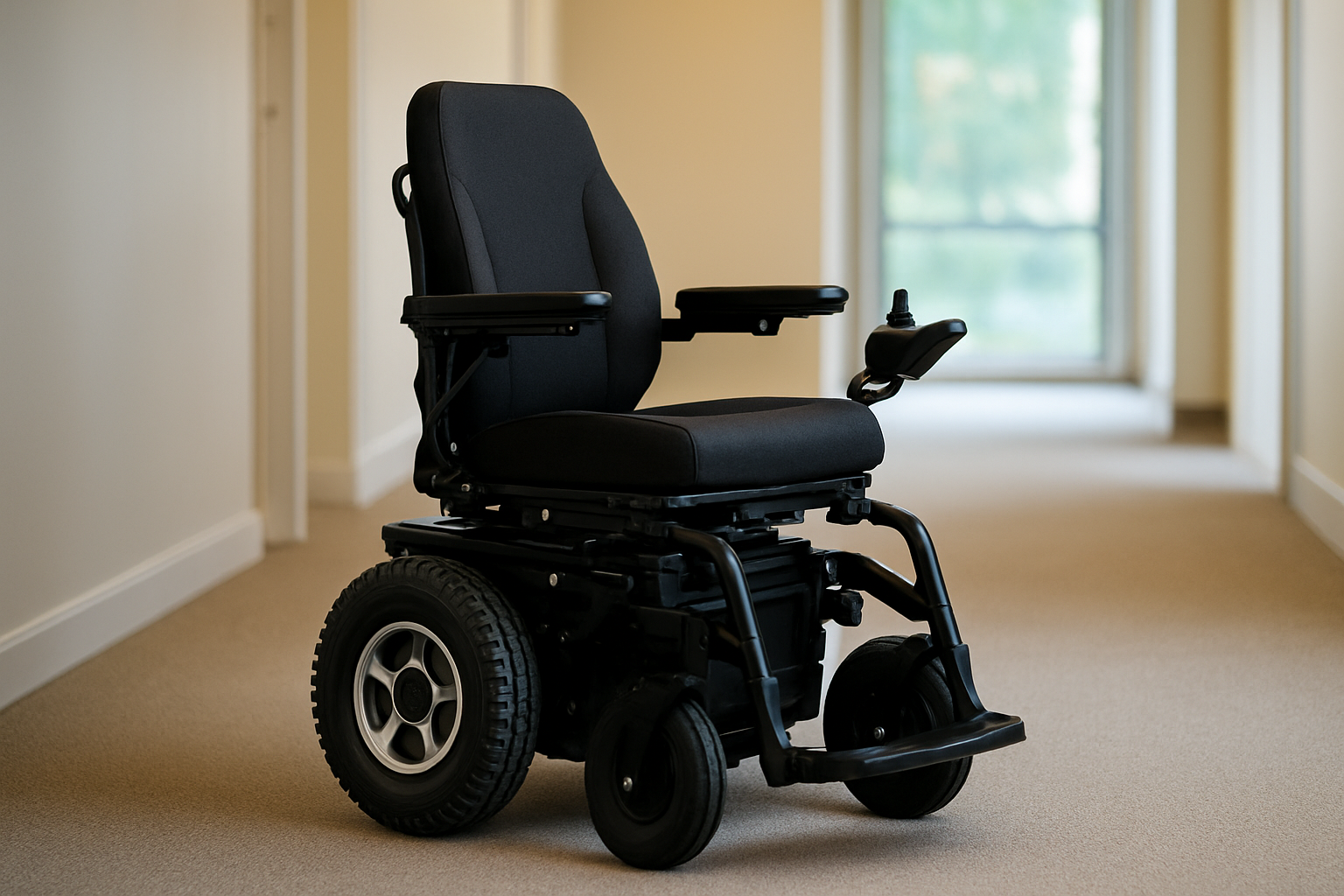
Shopping for a power chair can feel like a maze; Go Wheelchairs turns it into a guided path. First, they stock a range of standard and heavier‑duty motorized wheelchairs, so you can find options that match many common needs for seating, drive style, and transportability. Second, you get personalized support and guidance from people who look at your measurements, listen to your routines, and suggest options that actually match your life. Third, they help with insurance and Medicare steps, including prior authorizations, documentation checklists, and accepted supplier assignment so billing follows the rules instead of your inbox.
There is also a bonus many people do not expect: Go Wheelchairs’ Resources hub, which includes buying guides, side-by-side comparison tools, and travel tips you can print or share. If you need a portable backup for quick trips, they offer lightweight, foldable wheelchair designs that complement a primary chair, rather than replace it. Most importantly, they understand the core problem: individuals with mobility challenges often struggle to find affordable, dependable solutions that fit lifestyle and coverage needs. Their mission is simple and powerful: match you with the right chair and the funding path that gets you rolling with confidence.
Quick Stats That Matter
Context helps you make better decisions, and a few numbers bring the point home. National surveys suggest that millions of Americans rely on wheelchairs, and a growing share need higher weight capacities as obesity and related conditions rise. In the wider market, heavy duty chairs can commonly support 400 to 600 pounds (lbs) [pounds], with seat widths up to 30 inches and turning radii from about 20 to 34 inches depending on drive style. However, Go Wheelchairs’ current product listings primarily show models around 300 pounds and standard seat widths (about 20 inches). Typical ranges cluster between 10 and 20 miles per charge, yet terrain, user weight, and accessories like elevating leg rests can push that up or down noticeably.
Why include these stats? Because expectations set satisfaction. If you plan for 12 miles of comfortable real-world range and get 15 on a nice day, you feel great; if you expect 30 and get 15, you feel misled. The right question for your advisor is not “what is the maximum,” but “what can I count on, week after week, with my routes and my load.” That framing makes you a smarter buyer and helps your Go Wheelchairs specialist dial in the best battery and tire choices for your life, not just for a brochure.
Medicare, Medicaid, and Private Insurance: Pro Moves
Before we wrap, here are a few pro moves that save time and money. Ask your clinician to include your exact weight, home mobility goals, and the phrase “for in-home use” in the chart note and order; those specifics answer common reviewer questions. If you are over the standard limits, have your provider clearly document the medical need for a heavy duty frame and wider seating. For coding, confirm the Healthcare Common Procedure Coding System (HCPCS) [Healthcare Common Procedure Coding System] code in writing and save every document, including the Explanation of Benefits (EOB) [Explanation of Benefits] after approval.
- Confirm your plan’s in-network Durable Medical Equipment (DME) [Durable Medical Equipment] suppliers before the evaluation.
- Ask if prior authorization is required and what clinical notes must be attached.
- If you need upgrades like power tilt, check if they require a different code or clinical rationale.
- If you receive an Advance Beneficiary Notice of Noncoverage (ABN) [Advance Beneficiary Notice of Noncoverage], discuss alternatives before signing.
- Keep a simple folder or digital scan of all forms; it pays off if anything needs appeal.
If this sounds like a lot, it is, which is why people appreciate a partner. Go Wheelchairs handles these steps daily and can coordinate with your Physical Therapist (PT) [Physical Therapist], Occupational Therapist (OT) [Occupational Therapist], and prescriber. Their goal is not just to deliver a chair, but to deliver a fit, a funding path, and a plan for service so you stay mobile. That is how you turn equipment into independence.
Final Thoughts
The right power chair, fitted well and funded smartly, turns daily effort into daily ease. Imagine next month’s calendar with more errands done solo, more visits that do not sap your energy, and more routes that feel open instead of off-limits. What would you choose to do first with that freedom?
In the next 12 months, small choices now could compound into hundreds of hours saved and thousands of extra steps of life lived your way. Which heavy duty motorized wheelchair for high weight capacity would fit your life best?
Additional Resources
Explore these authoritative resources to dive deeper into heavy duty motorized wheelchair for high weight capacity.
Move Forward with Go Wheelchairs
Explore a range of standard and heavier‑duty motorized wheelchairs within our current offerings, with personalized guidance and Medicare support to achieve confident, independent mobility.