
Standard Power Wheelchairs Checklist: Essential Model, Capacity & Medicare Coverage Checks Before You Buy
If you are choosing among standard power wheelchairs, a clear, practical checklist saves time, stress, and money. A great chair should disappear into your day, not dominate it. Yet too many buyers discover after delivery that doorways are tight, batteries do not cover real-world trips, or Medicare requirements were missed. I have seen a neighbor return two chairs in one year because hallway turns were impossible. That is avoidable. This friendly guide brings order to the chaos, walking you through model selection, capacity and fit, home measurements, and Medicare coverage steps in a no-drama way. As you move through each item, imagine your everyday routine from the first cup of coffee to getting into bed at night, and let that mental movie drive your choices.
- Commit to fit first, features second, financing third. In that order, problems shrink fast.
- Use a tape measure and a notepad. Numbers beat guesses.
- Give yourself a 10 to 15 percent buffer on capacity, range, and space. Life is not a lab test.
- Lean on experts. Go Wheelchairs offers model comparisons, personalized guidance, and Medicare & insurance assistance (benefit verification, documentation and submission support) so you can move forward with confidence.
Pre-work Checklist for Standard Power Wheelchairs
Lock in your needs before you fall in love with a glossy brochure. Start with where you roll most, how your home is laid out, and how your body feels after an hour of sitting. A quick thought experiment helps: picture your tightest turn, your longest regular outing, and the highest threshold you face. Now make those real with measurements. People who measure first report fewer returns and a smoother ownership experience, and rehabilitation studies suggest correct seating can reduce pain and pressure issues for many users. While it is tempting to hunt deals immediately, the most cost-effective chair is the one you do not have to replace. As you work through the steps below, note what is a must-have versus nice-to-have, so you can trade features strategically if the budget requires it. And remember, Go Wheelchairs can translate your notes into a short list of models via a free mobility consultation, the site’s five-step wheelchair recommendation quiz, or a personalized online quote tied to your coverage.
- Define your primary environments.
- List where you will ride 80 percent of the time: home, sidewalks, stores, parks, or work.
- Circle the toughest surface you often face: carpet, tile, cracked concrete, ramps, or low grass.
- Decide if you need indoor-first agility, outdoor-first stability, or an all-around balance.
- Match drive type to your routes.
Different drive systems handle differently. Use this quick guide to shortlist the right style.
Drive Type Strengths Typical Turning Radius Ride Feel Best For Mid-wheel drive Smallest turns, very nimble indoors About 20 to 22 inches Stable at low speeds on level ground Apartment living, narrow halls, tight stores Front-wheel drive Good curb climbing, solid on mixed terrain About 24 to 26 inches Smooth over thresholds, fewer caster hang-ups Homes with thresholds, city sidewalks Rear-wheel drive Predictable tracking outdoors About 26 to 30 inches Confident at higher straight-line speeds Suburban neighborhoods, longer outdoor runs - Measure your body for comfort and pressure relief.
- Seat width: measure hip width while seated on a firm surface, then add 1 to 2 inches for clothing and movement.
- Seat depth: measure from back to just behind the knee, then subtract about 1 to 2 inches to protect circulation.
- Back height: decide if you prefer mid-back freedom or higher trunk support.
- Armrest height: measure from seat to bent elbow to reduce shoulder strain.
Fit Dimension How to Measure Target Range Notes Seat width Hips on firm seat + 1 to 2 inches 16 to 22 inches typical Choose snug but not tight Seat depth Back to knee crease minus 1 to 2 inches 16 to 20 inches typical Prevents pressure under knees Back height Seat to desired support level 16 to 22 inches typical Higher aids posture, lower frees shoulders Armrest height Seat to elbow when arm is relaxed at 90 degrees 7 to 11 inches typical Correct height reduces neck tension - Measure your home and regular destinations.
- Doorways: measure clear width at the narrowest point with the door opened 90 degrees.
- Hallways: measure width and longest unobstructed stretch.
- Turning spaces: find the tightest spot, like bathrooms or kitchens, and measure available diameter.
- Thresholds and ramps: measure height and slope.
Space Minimum Recommended Better For Comfort Tip Interior doorway At least 28 inches 32 to 34 inches Offset hinges can add clearance Hallway width At least 32 inches 36 inches or more Watch for handrail pinch points Turning circle About 40 inches 45 to 50 inches Mid-wheel drive helps in small baths Threshold height Under 1 inch Ramps for anything higher Modular ramps are quick installs - Right-size your capacity, range, and ground clearance.
- Weight capacity: total your body weight plus everyday cargo, then add 15 percent as a buffer.
- Battery range: write your longest regular trip and add a 20 percent margin for detours or hills.
- Ground clearance: for mixed terrain, look for about 2.5 to 3 inches or more, plus suspension for comfort.
- Clarify portability needs.
- Decide if you will transport the chair in a car trunk, a van, a ride-share, or on a plane.
- Note the heaviest piece you can manage safely; many standard bases weigh 90 to 130 pounds.
- If travel matters, consider a foldable or modular design that breaks down into lighter pieces.
- Plan your budget and coverage path.
- List must-have clinical features like tilt, elevating leg rests, or specialized cushions if your clinician recommends them.
- Ask your clinician to document medical necessity for home use, which is central to Medicare Part B coverage decisions.
- Set a ceiling price for extras and accessories, and keep room for a spare charger or travel battery if compatible.
- Gather documentation early.
- Schedule a face-to-face evaluation with your clinician and get a detailed prescription for a power wheelchair if appropriate.
- Keep notes on failed attempts with cane, walker, or manual chair at home, since this context often informs coverage.
- Confirm your supplier is enrolled and can bill Medicare and your plan correctly. Go Wheelchairs can help verify this quickly.
Execution Checklist: Shop, Compare, and Test With Confidence
Now it is time to translate your notes into the right chair. Bring your measurement sheet and a short list of must-haves to a showroom or virtual consult. Nothing replaces a real test drive, so try a few models in a space that mimics your home. Pay attention to joystick responsiveness, how the chair tracks in a straight line, and how your body feels after ten minutes of quiet sitting. If you have a caregiver, include them and listen carefully to their handling feedback. During this phase, you are not just comparing features, you are comparing futures. A great fit today should also work a year from now as life shifts. The Go Wheelchairs team can put you on a few well-matched options fast, including lightweight, foldable designs and robust outdoor-ready builds, and walk you through insurance and Medicare paperwork without jargon.
Watch This Helpful Video
To help you better understand standard power wheelchairs, we’ve included this informative video from Innoforge Studio. It provides valuable insights and visual demonstrations that complement the written content.
- Book a guided demo and bring your measurements.
- Ask to try mid-wheel, front-wheel, and rear-wheel options if you are undecided.
- Drive in tight patterns, then in a straight path, then over a small threshold or ramp if available.
- Evaluate comfort and posture.
- Check seat angle and back support; your hips and shoulders should feel neutral, not pitched forward or slouched.
- Confirm footplate height avoids pressure on the back of your legs and allows safe ground clearance.
- Test cushions for 10 minutes; subtle pressure points appear with time, not in the first 30 seconds.
- Assess controls and adjustability.
- Try different joystick sensitivities; you should not oversteer or fight drift.
- Check left or right mounting, swing-away options, and visibility of the display in bright light.
- Ask about programmable profiles for indoor versus outdoor speeds.
- Confirm real-world performance specs.
- Compare top speed in miles per hour, tested battery range, and slope rating, and prioritize what you actually use.
- Look for suspension or shock absorption if you ride over cracks, bricks, or uneven sidewalks.
- Ask for a realistic range estimate based on your weight, local terrain, and temperature.
- Plan transport and storage.
- Measure your vehicle opening and cargo height; compare to the chair’s folded height or heaviest-piece weight.
- Ask about compatible vehicle lifts or portable ramps, and where the secure tie-down points are located.
- Check the storage footprint at home and where you will charge safely with ventilation.
- Choose accessories that solve real needs.
- Prioritize pressure-relief cushions, positioning backs, lap belts, or chest harnesses recommended by your clinician.
- Consider functional add-ons like cup holders, cane holders, oxygen tank holders, and USB power for devices.
- Skip impulse extras until you have a few weeks of real use.
- Review warranty, service, and loaners.
- Verify frame, electronics, and battery coverage lengths.
- Ask about in-home service response times and whether loaner chairs are available during repairs.
- Confirm parts availability for at least five years, which aligns with typical durable lifespan expectations.
- Compare a short list side by side.
Use this table to stack your finalists against your must-haves. The figures below illustrate realistic ranges you will commonly see.
Feature Indoor-first Model Balanced All-rounder Outdoor-leaning Model Drive type Mid-wheel Front-wheel Rear-wheel Turning radius About 20 inches About 24 inches About 28 inches Weight capacity Up to 300 pounds Up to 300 to 350 pounds Up to 350 to 400 pounds Battery range 10 to 15 miles 12 to 18 miles 15 to 20 miles Ground clearance About 2 inches About 2.5 inches About 3 inches Heaviest piece 90 to 110 pounds 100 to 120 pounds 110 to 130 pounds Best use Apartments and narrow spaces Mixed home and errands Neighborhood and parks Ask a Go Wheelchairs specialist to map these traits to specific models, including lightweight, foldable options or heavier-duty builds when you need extra capacity.
- Start the coverage process with support.
- Share your clinician’s prescription and evaluation notes with your supplier.
- Request a detailed written estimate with any out-of-pocket costs before ordering.
- Use Go Wheelchairs insurance assistance to make the paperwork as painless as possible.
Validation Checklist: Fit, Safety, and Medicare Steps Before You Commit

Before you sign or schedule delivery, validate that the chair and the paperwork are as dialed-in as your original notes. This is where small mismatches get corrected. Double-check fit with your trusted cushion, confirm joystick placement, and verify every accessory you discussed is listed on the order. Then, review your coverage requirements line by line. Many buyers are surprised to learn that a missing line in a clinical note can delay approval. A few minutes of careful reading protects weeks of waiting. If anything feels off, pause. The right partner will invite questions. This is exactly where Go Wheelchairs shines with a methodical pre-check, Medicare guidance, and a clear explanation of what happens next.
- Confirm physical fit is still perfect.
- Sit for 10 to 15 minutes in the configured chair with your chosen cushion and back support.
- Verify armrest height, joystick position, footplate angle, and knee clearance match your measurements.
- Re-test turning in a bathroom-sized space and crossing a door threshold.
- Verify model and configuration details in writing.
- Model name, drive type, seat size, cushion type, back height, leg rests, and accessories should be spelled out.
- Check color and battery type if options exist.
- Ensure warranty terms and service coverage are included on the estimate.
- Walk through the Medicare checklist with your supplier.
Use this quick reference to catch common snags before submission.
Requirement What to Check Status Medical necessity for home use Clinician notes show why you cannot complete basic home activities with cane, walker, or manual chair Yes / Needs Update Face-to-face evaluation Recent appointment documented with relevant mobility assessment Yes / Scheduled Detailed written order Prescribed power wheelchair model and features listed clearly Yes / Pending Supplier enrollment Supplier can bill Medicare and your secondary insurance plan if applicable Confirmed / Verify Financial responsibility Part B deductible status and about 20 percent coinsurance after deductible are explained Understood / Questions Note: Coverage varies by plan, diagnosis, and documentation. Ask your Go Wheelchairs advisor to review your paperwork and explain timelines in plain language.
- Request a home delivery and fitting plan.
- Ensure the delivery team will size the chair on-site for you and a caregiver.
- Ask for a 30 to 60 day tune-up window to adjust fit as you settle in.
- Confirm training on charging, safety switches, and daily care.
- Prepare your maintenance basics.
- Find a charging routine that fits your schedule, ideally charging overnight in a ventilated area.
- Mark a quarterly check for tire wear, loose fasteners, and joystick function.
- Save support contacts for quick help and ask about remote troubleshooting options.
Common Misses That Cost Time and Comfort
Even smart shoppers skip details under pressure. Consider this your guardrail section. A few oversights account for many returns and service calls: underestimating the tightness of bathroom turns, choosing a seat a size too wide that causes sliding, forgetting how heavy the heaviest piece is when a friend loads it, or assuming any supplier can bill your plan the same way. Add to that accessories that seem helpful but add bulk, like a large rear basket that clips your hallway, and you get the picture. The easiest fix is to pause and run these checks. If you catch yourself thinking “probably fine,” convert that thought to a quick measurement or a call. That little habit saves headaches and money.
- Do not skip doorway and bathroom mock-ups.
- Use painter’s tape to outline turning circles on the floor and test with a dining chair for reference.
- Account for doorknobs, trim, and towel bars that shave off precious inches.
- Do not oversize the seat for comfort.
- An over-wide seat causes hip slide and pressure points; choose supportive snugness instead.
- Use clinical input if you have skin integrity concerns.
- Do not ignore heaviest-piece weight.
- Ask the exact weight of the base and whether it separates; plan safe lifting or a vehicle lift.
- If you travel alone, a foldable or lighter design can be worth more than an extra top speed.
- Do not forget ground clearance on real routes.
- Visit the curb cuts, driveway lips, and entrances you use weekly and note the tallest bump.
- Pair clearance with suspension rather than clearance alone for comfort.
- Do not assume every accessory fits your space.
- Rear baskets and side bags can widen your profile; measure with them installed.
- Choose low-profile mounts for indoor-first setups.
- Do not gloss over coverage details.
- Ensure the written order and clinical notes match the chair you are getting.
- Confirm coinsurance and any upgrade costs before delivery.
- Do not neglect the service plan.
- Know who to call, average response time, and whether loaners are available.
- Register your chair and keep receipts and serial numbers together.
Conclusion + CTA
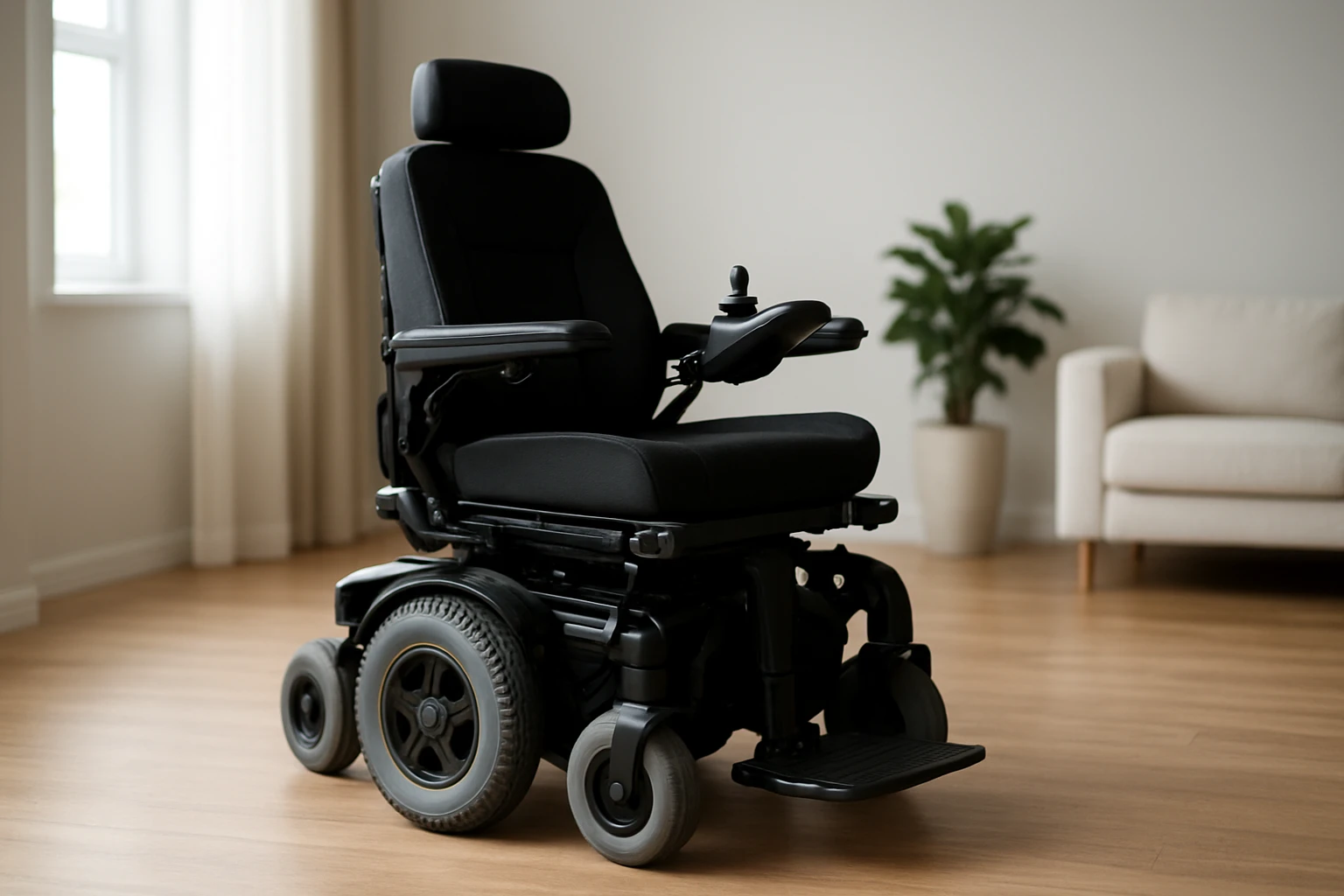
The right checklist turns a big decision about standard power wheelchairs into a calm, confident choice that fits your body, your home, and your budget.
Imagine the next 12 months with smooth turns, steady power, and stress-free service, because you validated details and set up coverage the smart way. That is freedom multiplied.
What would your days look like if your chair simply worked every time, everywhere you go, without second-guessing specs or insurance steps?
Choose Confidently with Go Wheelchairs
Explore a wide range of standard and heavy-duty motorized wheelchairs with personalized support and Medicare guidance to secure dependable mobility, fair pricing, and confident independence.
Bonus: Quick Buyer Notes You Can Copy
Because you asked for practical, here is a compact set of prompts you can paste into your phone and check off during your visit or call with Go Wheelchairs.
- Drive type tested and preferred: mid, front, or rear, with a reason tied to my routes.
- Measured seat width, depth, back height, arm height confirmed on the configured chair.
- Turning test complete in a bathroom-sized space and at my tightest doorway size in inches.
- Capacity buffer at least 15 percent above combined body and cargo weight.
- Realistic range estimate based on my terrain and temperature explained and documented.
- Ground clearance and suspension evaluated on bumps I actually face.
- Heaviest piece and transport plan matched to my vehicle or chosen lift system.
- Accessories limited to true needs; bulky items tested for hallway clearance.
- Warranty, service response time, and loaner availability confirmed in writing.
- Clinical notes and written order match the exact chair and features being submitted for coverage.
- Out-of-pocket costs and timelines understood before order placement.
- Go Wheelchairs resources saved: buying guides, comparison tools, and travel tips for future reference.
With these notes and the steps above, your search for standard power wheelchairs becomes less of a maze and more of a guided path toward independence and ease.