
Power Wheelchairs for Every Need: Compare Models by Use Case, Weight Capacity & Medicare-Friendly Options
Choosing among today’s power wheelchairs can feel like picking a favorite star in a crowded sky. There are compact chairs for city apartments, rugged models for parks and yards, and everything in between. If you are also thinking about insurance or Medicare coverage, the decision gets even more complicated, fast.
Here is the good news: when you match the chair to your lifestyle first, everything else starts to click. At Go Wheelchairs, we help you do exactly that with a wide range of standard and heavy-duty motorized wheelchairs, lightweight foldable designs, and one-on-one guidance on coverage. Before we dive into the top categories and examples, scan this quick comparison so you can spot your best-fit lane.
| # | Use Case Type | Typical Weight Capacity (pounds) | Best Terrain | Typical Turning Radius (inches) | Range Per Charge (miles, approx.) | Travel-Friendly | Medicare-Friendly Path |
|---|---|---|---|---|---|---|---|
| 1 | Travel-ready folding | 220 to 300 | Indoor, smooth sidewalks | 25 to 30 | Approx. 8 to 12 | Varies by model; some fold or disassemble for car transport; airline battery rules apply | Sometimes, when medically necessary |
| 2 | Portable, take-apart | 250 to 300 | Indoor, light outdoor | 25 to 28 | Approx. 10 to 12 | Varies by vehicle; Go Chair disassembles into five pieces for transport | Often, with proper documentation |
| 3 | Compact mid-wheel for tight spaces | 250 to 350 | Indoor first | 20 to 22 | Approx. 10 to 15 | Ramp or van helps | Often, strong in-home use cases |
| 4 | Outdoor and yard terrain | 300 to 400 | Pavement, grass, gravel | 24 to 30 | Approx. 12 to 18 | Better with lift or ramp | Varies; coverage focuses on in-home need |
| 5 | Bariatric heavy-duty | 400 to 450 | Indoor and outdoor | 24 to 28 | Approx. 10 to 15 | Lift or ramp required | Often, when criteria are met |
| 6 | Elevating seat feature | 250 to 350 | Indoor and outdoor | 20 to 24 | Approx. 10 to 15 | Varies by model | Sometimes; seat elevation may be covered when medically necessary |
| 7 | Rehab-grade customizable | 250 to 350 | Tailored to user | 20 to 24 | Approx. 10 to 15 | Van transport preferred | Often, with clinical evaluation |
| 8 | Budget-friendly standard | 250 to 300 | Indoor, smooth outdoor | 24 to 26 | Approx. 8 to 12 | Some disassemble | Often, if medically necessary |
| 9 | Long-range commuter | 250 to 350 | Urban and suburban | 24 to 28 | Approx. 15 to 20 | Airline restrictions may apply | Varies; larger batteries are a factor |
| 10 | Pediatric and petite frames | 100 to 250 | Indoor, school, clinics | 20 to 24 | Approx. 8 to 12 | Vehicle adaptations help | Coverage varies by program |
Notes: Specifications vary by model and battery configuration. Medicare coverage depends on medical necessity and supplier participation, among other factors.
#1 Travel-Ready Folding Chairs for On-the-Go Freedom
What it is: Travel-ready folding chairs are lightweight, compact electric wheelchairs that collapse quickly to fit into car trunks or closets. Many use lithium-ion batteries designed to be carried onto planes when they meet airline rules about watt hours. The focus is portability without sacrificing the essentials, like intuitive controls, a stable wheelbase, and supportive seating that still feels comfortable after a full afternoon out.
Why it matters: If you like weekend trips or live in a building with tight hallways, shaving a few inches here and a couple of pounds there is a game changer. Industry surveys suggest portability is a top decision driver for first-time buyers, especially those moving up from manual chairs. Go Wheelchairs stocks multiple folding options and offers guidance on travel documentation, so you are not googling airline battery rules the night before your flight.
Quick example: Picture rolling to the gate, popping the battery out for inspection, and folding your chair in seconds so it rides safely. On arrival, you are cruising to baggage claim before the carousel starts. That breezy travel moment is exactly the use case these chairs nail.
#2 Portable, Take-Apart Power Chairs That Fit Any Trunk
What it is: Portable take-apart chairs break down into a few manageable pieces, often with the heaviest component in a realistic lifting range for many caregivers. Unlike one-piece folders, these modular designs prioritize trunk loading and easy storage between trips. The result is car-friendly convenience without relying on a vehicle lift.
Why it matters: If you ride with family or a rideshare often, the ability to separate the base, seat, and battery can make many sedans suitable mobility carriers depending on trunk size and vehicle. These designs can be more stable and cushioned than ultra-light folders, so longer outings also feel better. At Go Wheelchairs, our team helps you compare heaviest-piece weights and carry handles, because a five-pound difference is the line between independent loading and needing help.
Quick example: Think about heading to a doctor’s appointment across town. You lift the base into the trunk, the seat behind it, and the battery up front. After the visit, everything goes back together in a minute like a puzzle you have mastered.
#3 Compact Mid-Wheel Power Wheelchairs for Tight Indoor Spaces
What it is: Mid-wheel drive chairs center the drive wheels under your seat, delivering a tight turning radius that glides through kitchens, bathrooms, and elevators. The usual number you will see is about 20 to 22 inches for a turn in place, which is a big reason clinicians recommend mid-wheel for indoor-first lifestyles. Add smart suspension to keep six wheels planted, and mid-wheel chairs feel planted yet nimble.
Why it matters: Most of daily life is at home, and doorways do not care how many features your chair has if it cannot turn. A compact mid-wheel model cuts the three-point turns and taps on door frames so your energy goes into doing, not maneuvering. Go Wheelchairs carries mid-wheel options from standard comfort builds to rehab-grade setups, and we help you measure your home so fit is not a guess.
Quick example: You are making coffee, then pivoting from counter to fridge in one fluid move. No reversing, no bumping the trash can, just a clean spin that makes small kitchens feel bigger again.
#4 Outdoor and Yard Terrain Chairs Built for the Real World
What it is: Outdoor-friendly chairs use more robust motors, higher ground clearance, and grippy tires to handle grass, gravel paths, and cracked sidewalks. Many pair front or rear-wheel drive with long wheelbases and suspension to smooth bumps. These are not rock crawlers, but they are built so parks and neighborhood loops feel easy and fun.
Why it matters: According to mobility research cited across the industry, regular time outside correlates with better mood and sleep quality for wheelchair users. A chair that can cross a lawn to reach the garden or navigate uneven curbs is more than a gadget; it is a bridge to the parts of life that recharge you. At Go Wheelchairs, we help you weigh outdoor performance with in-home needs so coverage and practicality stay aligned.
Quick example: Imagine joining neighbors for an evening walk on a slightly bumpy trail. Instead of turning back at the first patch of gravel, your chair keeps rolling, and the conversation keeps flowing.
#5 Bariatric Power Wheelchairs for Maximum Support
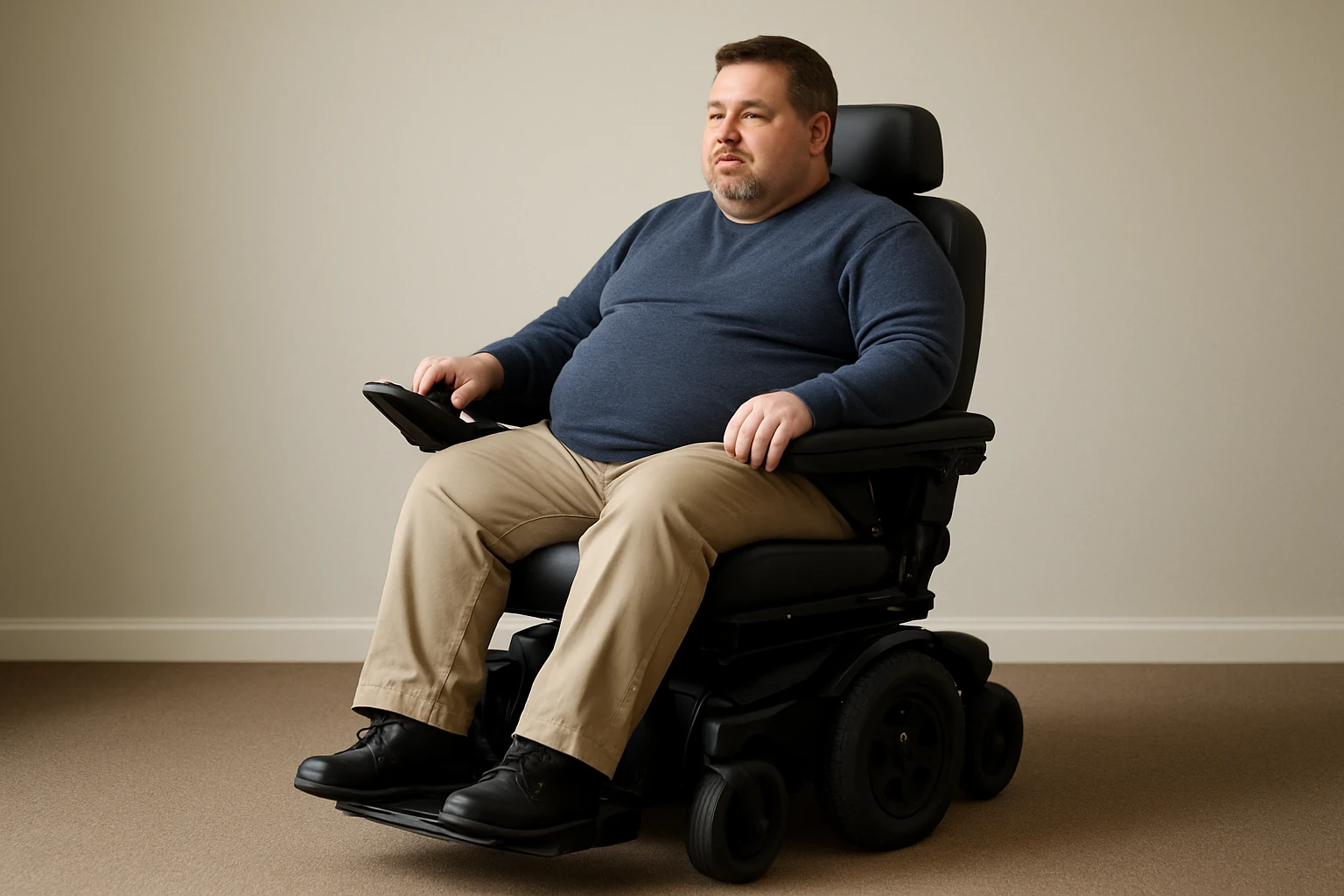
What it is: Bariatric models are heavy-duty power wheelchairs engineered with reinforced frames, wide seating, powerful motors, and higher torque. Typical capacities range from about 400 to 450 pounds while still providing dependable indoor maneuverability. Many offer adjustable armrests, seat depths, and swing-away leg supports for day-long comfort and safe transfers.
Why it matters: Fit and stability are foundational to safety. A chair that comfortably supports your body with room to move reduces pressure points and helps you maintain posture, which can improve breathing and energy over the day. Go Wheelchairs maintains a broad inventory of heavy-duty options and can coordinate home trials and measurements so sizing and cushion choices serve you long after delivery.
Quick example: You are attending a family barbecue in a small backyard. The chair feels steady on the patio, has the power to climb the small ramp to the deck, and the wider seat means you are focused on food and company, not discomfort.
#6 Elevating Seat Chairs That Help You Reach and Be Seen
What it is: Elevating seat systems raise you several inches, bringing cabinets, counters, and conversations within easy reach. Many combine seat elevation with tilt for comfort or pressure redistribution, making daily routines less straining. Some models let you drive at low speed while elevated, so you can move smoothly around the kitchen or office at a natural height.
Why it matters: Tasks like cooking, checking out at the store, or chatting at a standing-height counter feel better at eye level. Medicare has begun covering seat elevation on certain power wheelchairs when medically necessary, which could make this life-upgrade more accessible for many people. Go Wheelchairs can explain which configurations align with current policies and how to document the functional need with your clinician.
Quick example: You roll up to a high pantry shelf, rise a few inches, and grab what you need without asking for help. Later, you chat with a neighbor at the fence with comfortable eye contact. Small changes, big difference.
#7 Rehab-Grade Customizable Chairs for Complex Needs
What it is: Rehab-grade chairs are highly configurable systems with modular seating, specialty controls, and power positioning like tilt and recline. They are built to match complex seating and postural needs, including support for progressive conditions and unique body shapes. The process typically involves an evaluation with a clinician and detailed measurements to ensure a precise fit.
Why it matters: When posture, skin health, and energy conservation are top priorities, customization is not a luxury, it is the path to everyday comfort and independence. These chairs also support alternative drive controls, such as head arrays or sip-and-puff systems, for users who cannot operate a standard joystick. Go Wheelchairs partners closely with clinicians to translate evaluation findings into the right base, seating, and electronics package.
Quick example: You enjoy the library but fatigue after an hour. With power tilt and recline set to your pressure relief schedule, you browse longer, focus better, and return home with energy to spare.
#8 Budget-Friendly Standard Chairs With Medicare-Friendly Paths
What it is: Standard power chairs cover the essentials well, with dependable motors, a comfortable captain’s seat, and intuitive controls. They often cost less than advanced rehab builds and can pair with basic accessories like swing-away leg rests or a simple elevating leg. Many are sized right for apartments and errands without the premium price tag.
Why it matters: A good chair does not need every bell and whistle to transform daily life. For people whose primary need is safe, independent in-home mobility, a budget-friendly standard build can hit the sweet spot of function, reliability, and eligibility for coverage. Go Wheelchairs can walk you through documentation requirements so your application is clean and complete from day one.
Quick example: You need to get from bedroom to bathroom safely and make it to your favorite café a block away. A straightforward, durable model checks both boxes and keeps monthly finances predictable.
#9 Long-Range Commuter Chairs for All-Day Plans
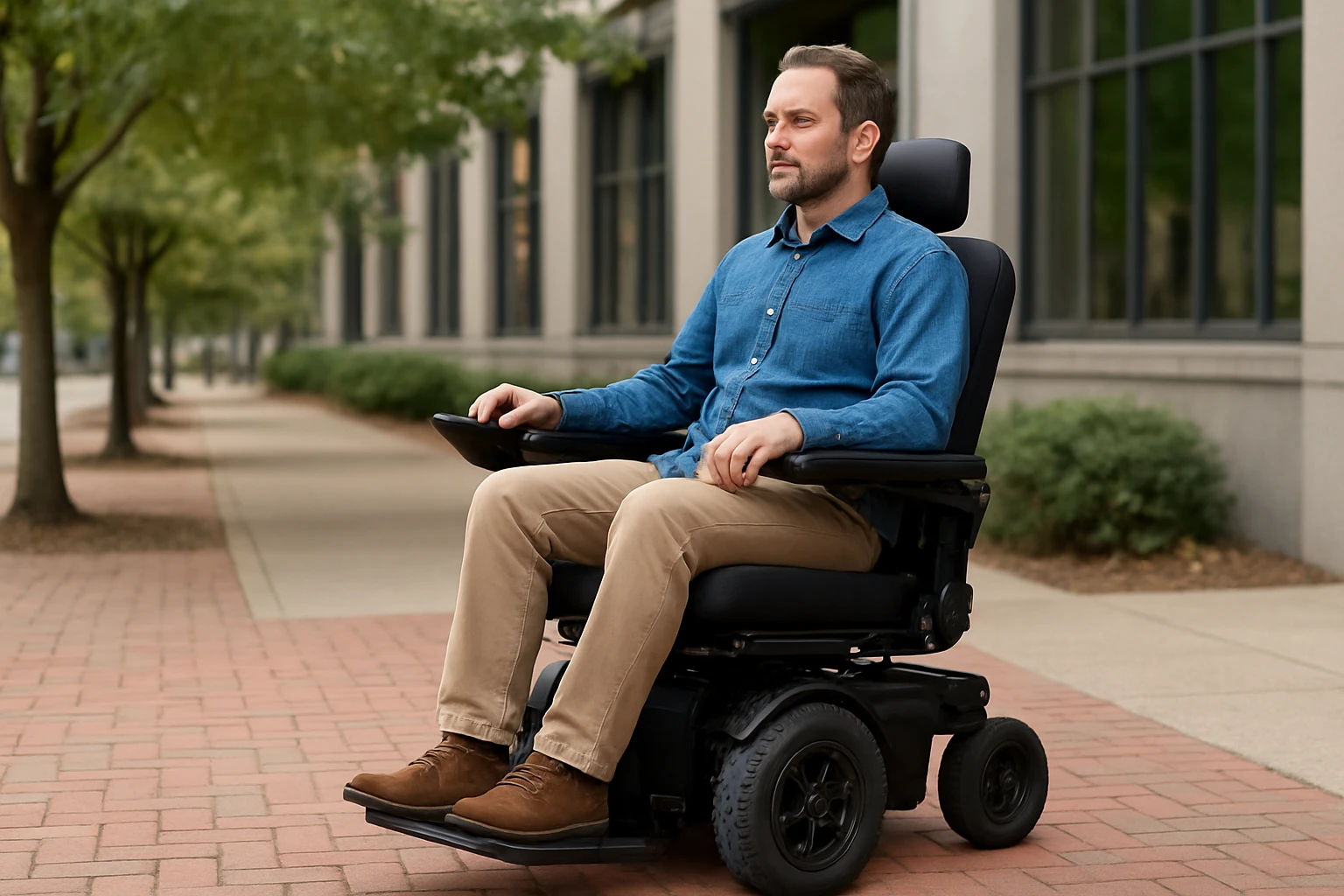
What it is: Long-range chairs prioritize larger batteries, efficient motors, and ergonomic seating so you can rack up miles without worrying about the battery gauge. Expect ranges that can reach the high teens to around 20 miles, depending on weight, terrain, and speed. Some models support battery upgrades or onboard chargers to stretch your day even further.
Why it matters: If your routine includes commuting to class, crossing a large campus, or spending full afternoons downtown, range is your freedom number. Industry data often pegs typical daily use at several miles; long-range chairs give you a generous buffer so detours and spontaneous plans are welcome. Go Wheelchairs compares real-world range, not just brochure numbers, to keep expectations realistic.
Quick example: You leave home for the transit stop, meet a friend for lunch two neighborhoods over, and visit the museum before heading back. You get home with charge to spare and a smile to match.
#10 Pediatric and Petite-Frame Chairs That Grow With You
What it is: Pediatric and petite chairs scale frames, cushions, and controls for smaller bodies, often with growth kits so the chair adapts over time. They prioritize low seat-to-floor height for school desks, tight turning for classrooms, and supportive seating that helps with posture during long days. Caregivers also get features like swing-away footrests and easy tie-down points for transport safety.
Why it matters: A chair that truly fits builds confidence and reduces fatigue, which matters for learning, play, and participation. For teens and smaller adults, a petite frame avoids the bulky feeling that can make maneuvering awkward. Go Wheelchairs works with families and clinicians to align features with school environments, transport plans, and coverage pathways.
Quick example: Your child transitions from homeroom to science lab and lunch with smooth turns and comfortable seating. After school, the chair secures easily in the family vehicle for therapy, and everyone arrives on time and relaxed.
How to Choose the Right Option
You do not have to analyze every spec sheet to make a smart decision. Start with how and where you live, then narrow based on fit, capacity, and coverage. Use this fast framework to go from overwhelmed to dialed in.
- Define your top three daily routes: inside, outside, and transport. Which matters most this year, not someday?
- Match capacity with a safety buffer: choose a weight capacity at least 15 percent above your body weight plus typical gear.
- Measure your spaces: doorway width, hallway turns, elevator size, and car trunk opening. A tape measure beats guessing.
- Prioritize features: is it turning radius, seat elevation, or all-day range? Pick two must-haves and one nice-to-have.
- Plan transport: will you lift pieces into a trunk, fold the chair, or use a ramp or vehicle lift?
- Map coverage and budget: consider medical necessity, in-home use, and supplier enrollment for Medicare or insurance.
- Test drive: even a short roll tells you more than pages of specs. Comfort and control should feel natural.
- Lean on experts: Go Wheelchairs offers personalized support, comparisons, and insurance guidance so you move forward with confidence.
| Your Priority | Start With | Why |
|---|---|---|
| Ultra-portable for travel | Travel-ready folding or take-apart chairs | Designed for trunks; some models offer airline-compliant battery options—check specs |
| Small home, tight turns | Compact mid-wheel | Best-in-class turning radius for kitchens and bathrooms |
| Backyard and park paths | Outdoor terrain models | Stronger motors, suspension, and tires for varied surfaces |
| Higher weight support | Bariatric heavy-duty | Reinforced frames and wider seating for comfort and safety |
| Reaching and eye-level tasks | Elevating seat feature | Improves access to counters and shelves, supports social engagement |
| Complex postural needs | Rehab-grade customizable | Modular seating and power positioning tailored to you |
| Value-first with coverage | Budget-friendly standard | Dependable in-home mobility with Medicare-friendly paths |
| Full-day outings | Long-range commuter | Higher-capacity batteries and efficient drive systems |
| Smaller body size | Pediatric or petite-frame | Scaled frames and growth kits for lasting fit |
Your Next Move
The right chair is the one that matches your life, not the other way around. With a clear use case, the rest of the decision becomes easy and even fun.
Imagine the next 12 months with smoother mornings, longer outings, and fewer compromises, because your chair was chosen for the way you live, learn, and work. That is the power of a thoughtful match and a team that has your back.
What could your days look like if every turn, curb, and conversation felt easier because you picked from the best power wheelchairs for your exact needs?
Find Your Power Wheelchair Match with Go Wheelchairs
Explore standard and heavy-duty motorized wheelchairs plus personal guidance and Medicare or insurance help, so you move forward with confidence and independence.