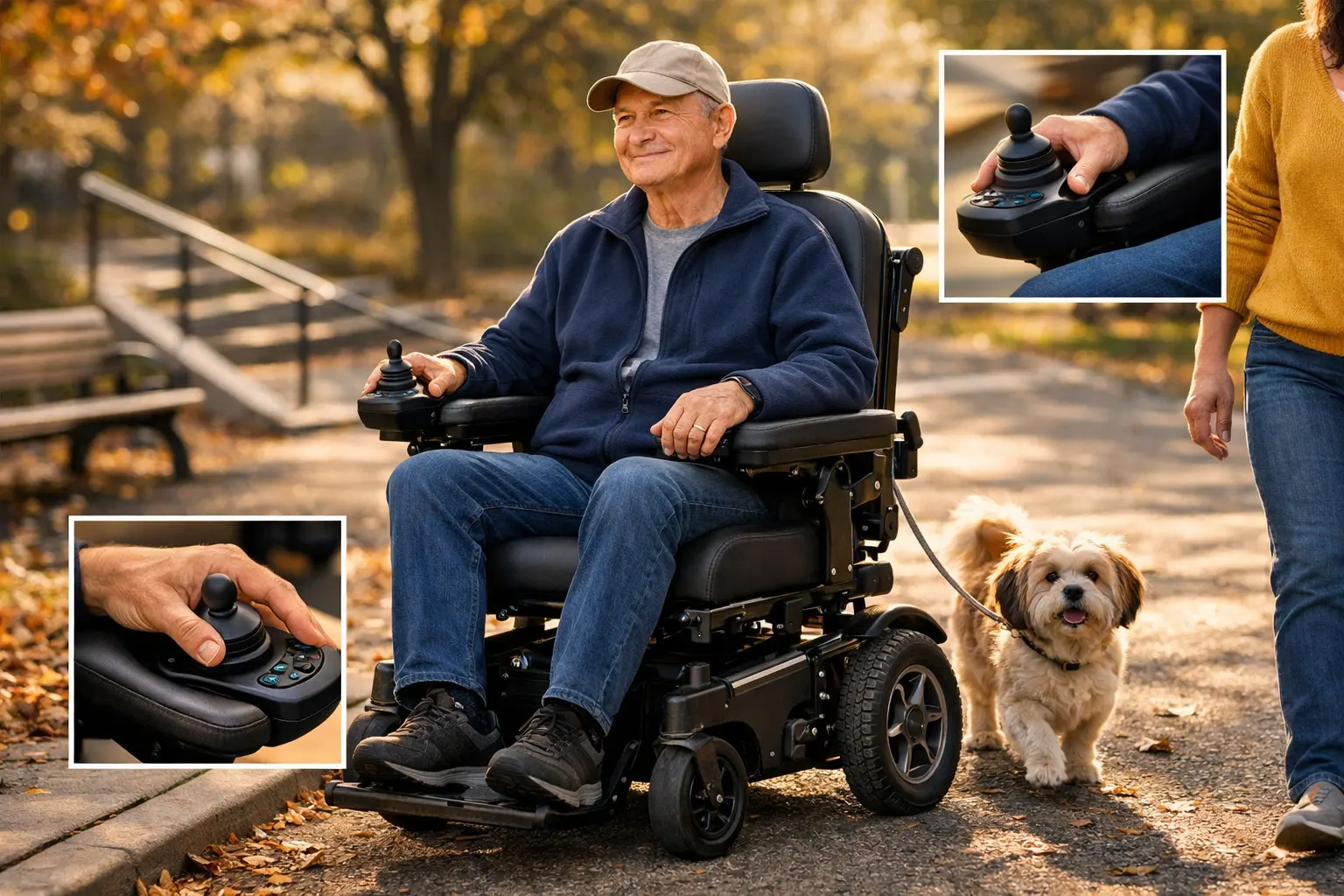
Best Go Chair® Travel Configurations: Top 6 Airline-Friendly Picks & Medicare Guidance
Shopping for a Go Chair® travel power wheelchair can feel like comparing carry-on rules across different airlines while juggling Medicare paperwork. If you want something that disassembles quickly, handles tight corners, and plays nicely with airline battery policies, you are in the right place. I have guided countless families through this decision at Go Wheelchairs, and the same themes always pop up: comfort, range, turning radius, and coverage. Let us walk through the best, airline-friendly options that may qualify for Medicare when medically necessary, so you can roll with confidence on the ground and in the air.
Quick story to set the scene. A reader named Elena emailed me after a coast-to-coast flight with her mom’s Go Chair®. She said the chair’s compact base and a pre-trip call to the airline saved them stress. That is the balance most people want: practical travel features plus the ability to work with Medicare Part B for in-home medical necessity. Below, I will share our selection criteria and the top six picks, tuned to real-life travel and coverage decisions.
Selection Criteria For A Go Chair® Travel Power Wheelchair
Choosing the right chair is equal parts specs and lifestyle fit. You care about whether the chair can make a tight airport turn, but you also need to know if your clinician’s documentation can support Medicare eligibility. We evaluated each pick with airline-readiness in mind, and we prioritized features that matter daily: seat comfort, joystick placement, and the weight of the heaviest disassembled piece. While details can vary by production run and configuration, the benchmarks below reflect manufacturer-rated specs and what actually helps during trips.
- Airline compliance: Appropriate battery labeling, ability to secure power and protect the joystick, and a transport-friendly base for baggage handling.
- Portability and disassembly: How fast it breaks down, how heavy each piece is, and how easily it loads into a car trunk or airport shuttle.
- In-home maneuverability: Turning radius, overall width, and seat-to-floor height for doorways, hallways, and kitchen layouts.
- Range and speed: Enough miles per charge for full days in terminals and sightseeing, and a sensible top speed for crowded spaces.
- Comfort and fit: Seat width and depth options, armrest adjustability, and available positioning supports.
- Weight capacity and durability: A sturdy frame with capacity appropriate to the user (model-dependent; some Go Wheelchairs models support ~300 lb, while heavy‑duty configurations may support up to ~450 lb) that still prioritizes portability.
- Coverage path: Likelihood of qualifying for Medicare when medically necessary (with correct documentation) and how Go Wheelchairs supports the process.
- Total ownership: Warranty, serviceability, and whether accessories like off-board chargers or spare batteries streamline travel.
| Factor | Why It Matters | Benchmarks We Used |
|---|---|---|
| Airline Readiness | Smoother check-in and compliant battery handling reduce delays | Airline-compliant battery labeling, joystick protection, airline notification steps |
| Disassembly | Lighter pieces protect your back and fit small car trunks | Heaviest piece around 36 pounds, fast feather-touch breakdown |
| Maneuverability | Home navigation without scuffs or stuck turns | Turning radius near 25 inches, overall width near 25.5 inches |
| Range and Speed | All-day confidence in terminals and city outings | Up to 8 to 13 miles per charge, about 3.5 to 3.7 miles per hour |
| Coverage Fit | Medicare Part B potential when medically necessary | Aligned with Group 2 standard characteristics; documentation support |
| Comfort and Fit | Posture, pressure distribution, and endurance | Seat options: 18 by 17 inches or 20 by 18 inches |
#1 Go Chair® MED — Best for Medicare-First Buyers
If you want the cleanest path toward Medicare consideration when medically necessary, the Go Chair® MED configuration is designed to support common documentation pathways. It keeps the portability and maneuverability of the Go Chair® platform while aligning with the types of documentation clinicians and suppliers commonly use. For travel, it remains airline-friendly thanks to compliant battery options and a compact base that baggage teams can handle. Pair it with Go Wheelchairs’ coverage guidance, and you have a practical route to pursue approval plus worry-free trips.
- Key specs: Up to about 13 miles per charge, around 3.7 miles per hour top speed, approximately 25.4-inch turning radius, roughly 25.5-inch overall width, 300-pound capacity.
- Airline notes: Nonspillable batteries are generally permitted when secured; notify your airline at least 48 hours ahead per Federal Aviation Administration guidance.
- Medicare notes: May be considered for Medicare coverage when medically necessary for in-home use; Go Wheelchairs assists with physician documentation and supplier coordination but final decisions rest with the payer.
- Best for: Shoppers who want a Medicare-tuned configuration without sacrificing everyday portability.
#2 Go Chair® (Standard) — Best Everyday Travel Value
The classic Go Chair® delivers an excellent balance of price, portability, and in-home agility. It disassembles quickly, and the heaviest piece is manageable for most caregivers to lift into a trunk. If your travel mostly means rides to appointments, weekend trips, and the occasional flight, this configuration keeps life simple. It is also a solid platform for adding accessories like an off-board charger or spare battery pack to boost flexibility.
- Key specs: Up to about 8 to 9 miles per charge with standard batteries, roughly 3.5 to 3.7 miles per hour top speed, around 25.4-inch turning radius, near 25.5-inch overall width, 300-pound capacity.
- Airline notes: The compact base, appropriate battery labeling, and labeled power cut-off help speed up check-in and loading.
- Medicare notes: May be eligible when medically necessary; coverage depends on clinical documentation and home-use criteria and is determined by the payer.
- Best for: Budget-savvy travelers who want proven performance and easy car loading.
#3 Go Chair® (18 by 17 Inch Seat) — Best for Tight Spaces
If your home has narrow doorways, older bathroom layouts, or you love cruise cabins where every inch counts, the smaller 18 by 17 inch seat can make a big difference. The chair still feels confident and stable, but you get a touch more room to maneuver around coffee tables and corners. On trips, this seat size tends to be more comfortable in shuttle aisles and packed restaurants. Think of it as the city apartment version of the Go Chair®: compact, capable, and ready for quick pivots.
- Key specs: Same base performance as the standard model; the difference is the tighter fit from the more compact seat dimensions.
- Airline notes: Slightly narrower profile makes gate-check handoffs and aisle approaches simpler.
- Medicare notes: Seat sizing is part of fitting the device to your needs; medical justification should reflect comfort, posture, and safety at home.
- Best for: Users prioritizing small-space maneuverability without giving up stability.
#4 Go Chair® (20 by 18 Inch Seat) — Best for All-Day Comfort
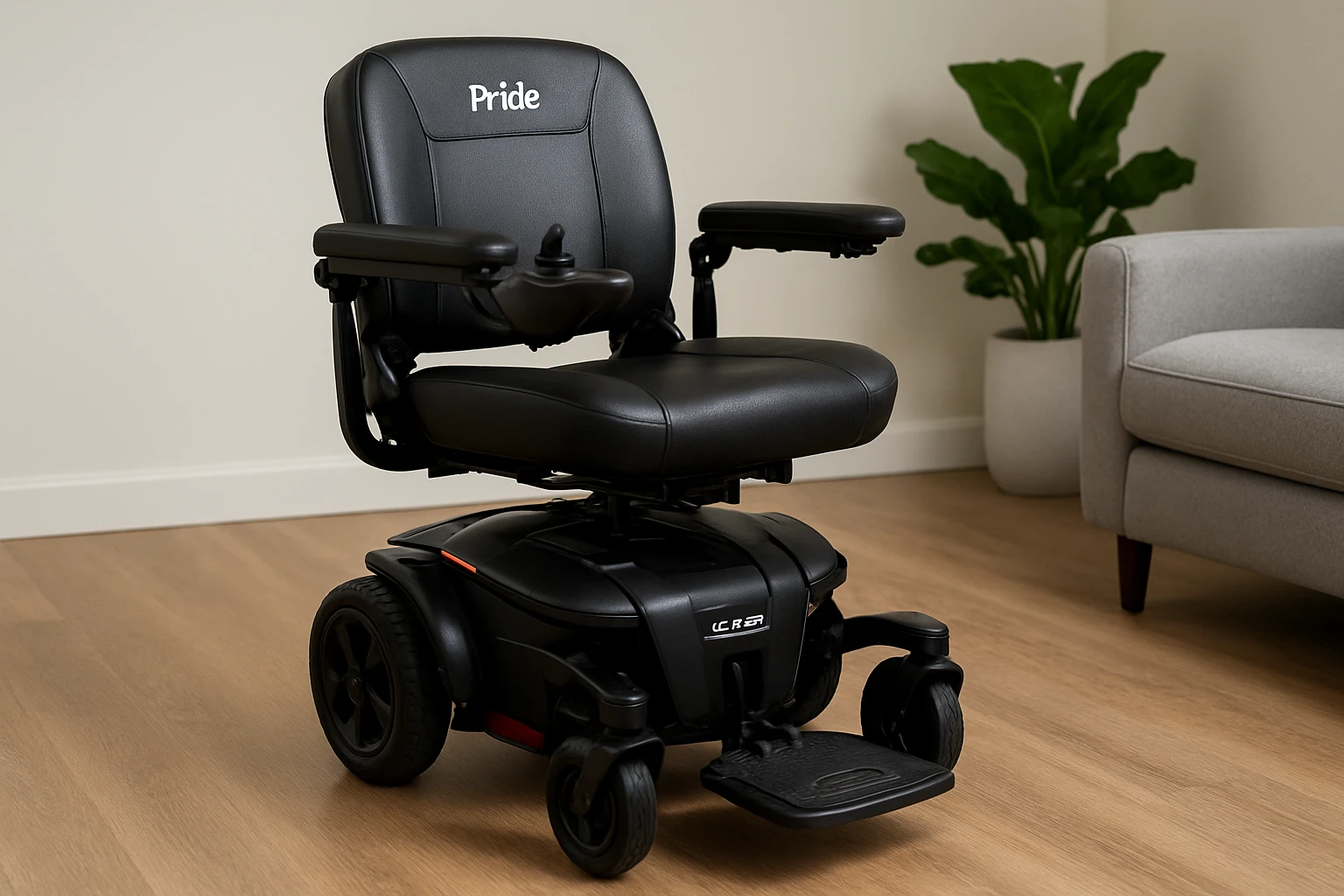
For taller users, broader shoulders, or anyone who prefers more room, the 20 by 18 inch seat can transform your daily comfort. That extra surface area supports posture and pressure distribution, which matters on long museum visits or lengthy layovers. The base remains nimble with the familiar tight turning radius, so you do not trade away maneuverability. Add a cushion matched to your needs, and you are set for full days with fewer readjustments.
- Key specs: Same base geometry and speed as other Go Chair® configurations; seat is wider and deeper for improved support.
- Airline notes: Removable seating components pack neatly; note any custom cushion in your device description when notifying the airline.
- Medicare notes: Clinicians can document medical need for wider seating for balance, posture, and skin protection where applicable.
- Best for: Users who value extra room for comfort and positioning.
#5 Go Chair® (18 Ampere-Hour Extended Range) — Best for Long Airport Days
If your itineraries regularly include connections, time zone leaps, and all-day outings, the extended range battery configuration is a sanity saver. With up to about 13 miles on a full charge under ideal conditions, you have more flexibility to explore without hunting for outlets. Many travelers also carry an off-board charger to top off at the hotel, and some keep a spare battery pack available. As always, confirm airline policies in advance regarding spare batteries to keep everything smooth at check-in.
- Key specs: Up to around 13 miles per charge depending on terrain, load, and driving habits; approximately 3.7 miles per hour top speed; roughly 25.4-inch turning radius.
- Airline notes: Nonspillable or airline-compliant battery options are widely accepted when properly labeled; bring product documentation for airline staff.
- Medicare notes: The covered base is what matters; accessories and extended batteries may require out-of-pocket payment depending on your plan.
- Best for: Frequent flyers and cruise lovers who value range as much as maneuverability.
#6 Go Chair® (Travel Bundle by Go Wheelchairs) — Best Turnkey Airline Kit
This curated bundle from Go Wheelchairs focuses on stress-free travel. It pairs a Go Chair® with an off-board charger, joystick guard, weather-resistant transport cover, and labeled battery documentation. That might sound simple, but those touches save minutes at every airport handoff and give airline teams exactly what they need. It is a great pick for people who want a ready-to-roll, airline-savvy setup plus phone support from a team that speaks travel as fluently as it speaks coverage.
- Key specs: Go Chair® core performance with the accessories most travelers use first.
- Airline notes: Battery cards, joystick guard, and transport cover make it easier for ground crews to protect your chair.
- Medicare notes: Go Wheelchairs helps separate what may be covered when medically necessary from what you might choose to self-fund for travel convenience.
- Best for: New travelers or caregivers who want a complete, confidence-boosting kit.
Side-by-Side Snapshot: Specs That Matter on the Move
| Pick | Range (miles) | Top Speed (miles per hour) | Turning Radius (inches) | Overall Width (inches) | Heaviest Piece (pounds) | Seat Width | Airline Battery Type | Medicare Eligibility Path |
|---|---|---|---|---|---|---|---|---|
| Go Chair® MED | Up to ~13 | ~3.7 | ~25.4 | ~25.5 | ~36 | 18 or 20 inches | Airline-compliant (nonspillable where applicable) | May qualify when medically necessary |
| Go Chair® Standard | Up to ~8–9 | ~3.5–3.7 | ~25.4 | ~25.5 | ~36 | 18 or 20 inches | Airline-compliant (nonspillable where applicable) | Potential eligibility with documentation |
| Go Chair® 18×17 Seat | Up to ~8–9 | ~3.5–3.7 | ~25.4 | ~25.5 | ~36 | 18 inches | Airline-compliant (nonspillable where applicable) | Potential eligibility with documentation |
| Go Chair® 20×18 Seat | Up to ~8–9 | ~3.5–3.7 | ~25.4 | ~25.5 | ~36 | 20 inches | Airline-compliant (nonspillable where applicable) | Potential eligibility with documentation |
| Go Chair® Extended Range | Up to ~13 | ~3.7 | ~25.4 | ~25.5 | ~36 | 18 or 20 inches | Airline-compliant (nonspillable where applicable) | Base may qualify when medically necessary |
| Go Chair® Travel Bundle | Up to ~8–13 (per battery) | ~3.5–3.7 | ~25.4 | ~25.5 | ~36 | 18 or 20 inches | Airline-compliant (nonspillable where applicable) | Base may qualify; accessories often self-pay |
How to Choose the Right Option
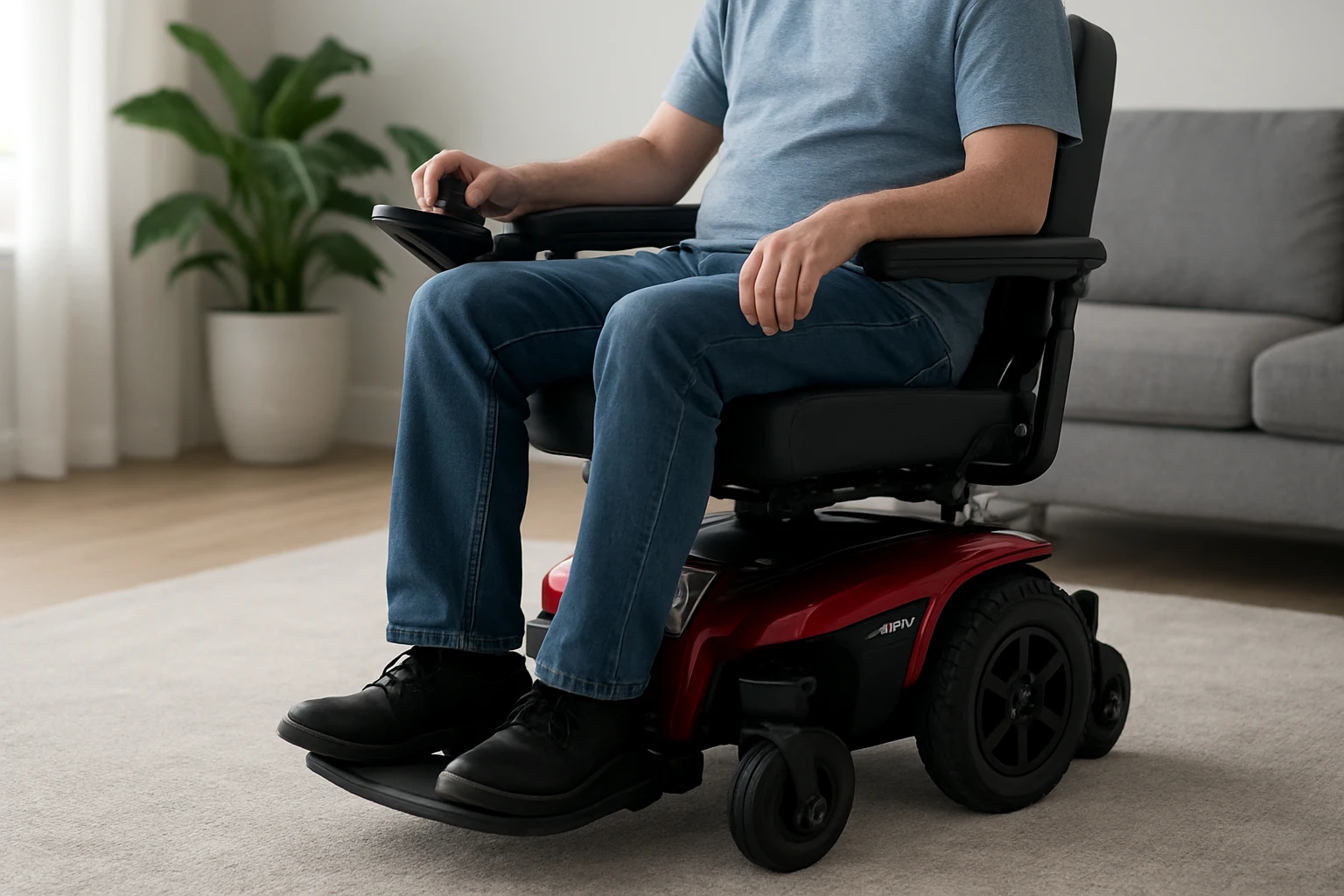
Start with fit and daily environment, then layer on travel and coverage. Measure doorways and common turns at home, and make sure seat width and depth keep your hips and legs aligned for posture and pressure relief. If you live in a dense city or navigate older floorplans, the smaller seat option can reduce scrapes and effort. If your days include longer outings or you prefer more room, the 20 by 18 inch seat plus a supportive cushion can pay off in comfort and endurance.
Next, consider your travel rhythm. For once-a-year trips, the standard battery setup and a good off-board charger might be all you need. For frequent flyers, the extended range configuration or a spare battery pack adds real-world confidence. Airlines must accommodate personal mobility devices under the Americans with Disabilities Act and Federal Aviation Administration rules; still, call your carrier at least 48 hours ahead to log battery type, device dimensions, and special handling requests. Bring a printed one-page summary listing your chair model, battery designation, joystick power-off steps, and tie-down points to help the ground crew.
Now, think through coverage. Medicare Part B may cover a power wheelchair when medically necessary for use in the home, typically after a face-to-face evaluation and the right prescription and documentation. Go Wheelchairs can coordinate with your clinician and supplier, outline what the Centers for Medicare and Medicaid Services requires, and flag what may be out-of-pocket, such as certain accessories or battery upgrades. The goal is to align your clinical needs with the right configuration so you get both mobility and peace of mind.
Finally, test-drive and personalize. Try joystick sides, armrest widths, and cushions to reduce fatigue and improve control. Ask Go Wheelchairs about lightweight, foldable wheelchair designs if you decide a different travel style fits you better, and browse the Resources Hub for buying guides, comparison tools, and travel tips. A few tweaks, like a joystick guard or travel cover, can mean the difference between a smooth flight and a scramble at the gate. If you want a quick starting point, use the checklist below and bring it to your consultation.
- Home fit: Doorway widths, turning clearances, and seating comfort.
- Travel frequency: Standard vs. extended range battery; off-board charger plan.
- Airline prep: Notify carrier early; print device and battery summary; protect joystick.
- Coverage path: Clinician evaluation, medical necessity documentation, and supplier coordination.
- Support: Who services the chair, turnaround times, and loaner availability for critical trips.
Packing Smart: Quick Airline Checklist for Power Chairs
Air travel with a power wheelchair is easier with a routine. According to recent federal reporting from the United States Department of Transportation, airlines mishandle a small percentage of mobility devices each month, so the more you prepare the better your odds. The right prep also eases stress for airline staff who want to help but need clear instructions. Here is a concise list you can copy, tweak, and keep in your carry-on pocket.
- Call the airline at least 48 hours in advance with device model, overall dimensions, weight, and battery type (nonspillable or airline-compliant where applicable).
- Print a one-page device card: how to switch power off, how to freewheel, and where to hold the frame safely.
- Bring manufacturer specs or a quick-start guide to show staff and label the battery as appropriate.
- Protect the joystick with a guard or removable cover, and secure loose accessories.
- Ask for an aisle chair transfer plan and gate-check tag, and take time-stamped photos before handoff.
Travel tip: The Transportation Security Administration can provide screening support; request assistance and allow extra time. Many travelers place a laminated card on the chair with a calm, friendly note to ground crews: “Thank you for taking care of my mobility device. Please do not lift by the armrests. Here are safe lift points.” It sounds simple, but it helps protect your independence and the team’s workflow.
Why Work With Go Wheelchairs
Beyond product fit, the biggest unlock is guidance. Go Wheelchairs offers a wide range of standard and heavy-duty motorized wheelchairs, plus lightweight options for travel. You also get personalized support, Medicare and insurance assistance, and a Resources Hub full of buying guides, comparison tools, and travel tips. That combination is powerful for individuals who struggle to find affordable, dependable solutions that match both lifestyle and coverage needs.
In practical terms, that means having a real person help you map the coverage path, fit the chair to your body and home, and assemble a travel-ready kit you will actually use. You will know what the clinician needs to document, what the supplier expects, and what you should self-fund for convenience. The result is confidence: an airline-savvy configuration that is aligned with your health, home, and budget.
FAQ: Medicare and Airline Basics, Explained Simply
Does Medicare Part B cover a travel power wheelchair? It can, when medically necessary for in-home use and properly documented; travel convenience is not the qualifying factor. What about batteries on planes? The Federal Aviation Administration allows nonspillable or otherwise airline-compliant batteries installed in powered wheelchairs when properly secured and disconnected, with instructions provided to staff. Can I bring a spare battery? Policies vary by airline and battery type, so confirm in advance and bring documentation. If you need one-on-one help, Go Wheelchairs can walk you through both paths, from clinical paperwork to airline prep.
Last tip: build a pre-trip ritual. Charge fully, pack the off-board charger and a small toolkit, print device instructions, and take a quick video of your chair’s condition before you leave home. A little structure goes a long way, especially during peak travel or tight connections.
Final Thoughts
Here is the promise: these six Go Chair® configurations give you airline-friendly freedom with a realistic route to Medicare consideration when medically necessary. Imagine your next itinerary with fewer what-ifs, more range in the tank, and a chair that turns elegantly through home and hotel alike. In the next 12 months, a small seating tweak or battery upgrade could unlock steadier days and stress-free flights.
Your mobility story is personal, and the right partner matters as much as the right chair. What is the one change that would make your next trip easier with a Go Chair® travel power wheelchair?
Go Wheelchairs: Confidently Choose Your Go Chair®
Go Wheelchairs offers a wide range of standard and heavy-duty motorized wheelchairs plus Medicare guidance and personal support so you travel easier, qualify for coverage when medically necessary, and move with independence.