
If you are preparing to get a power wheelchair covered by Medicare, the word dmepos [Durable Medical Equipment, Prosthetics, Orthotics, and Supplies] can feel like alphabet soup. But here is the truth: a little verification upfront saves weeks of delays and mountains of stress. I have watched a family friend nearly pay out-of-pocket because one date on a form did not match an exam note. Painful lesson learned. In this guide, I will walk you through a friendly, patient-first dmepos [Durable Medical Equipment, Prosthetics, Orthotics, and Supplies] verification checklist so you can avoid avoidable denials, pick the right chair, and move forward confidently.
As we go, I will point out the exact documents Medicare expects, the timing gotchas that trip people up, and how a trusted supplier makes the process lighter. Go Wheelchairs shines here with a wide range of standard and heavy-duty motorized wheelchairs, lightweight, portable travel-focused models (including options that disassemble for transport), and personalized insurance support that helps keep your paperwork tight. Ready to turn a complicated process into a clear path? Let us do this together.
What is dmepos [Durable Medical Equipment, Prosthetics, Orthotics, and Supplies] verification?
In plain language, dmepos [Durable Medical Equipment, Prosthetics, Orthotics, and Supplies] verification is the set of checks that confirm you, your clinician, and your supplier have met Medicare’s rules to approve and pay for a power wheelchair. Think of it like a preflight checklist for coverage. It confirms the wheelchair is medically necessary for use in your home, your clinician has documented the right details, the supplier is properly accredited and eligible to bill, and any required prior authorization is filed and approved before delivery. When all of these boxes are ticked, your claim is far more likely to fly through the system without turbulence.
Verification typically includes: a face-to-face evaluation by your ordering clinician; detailed notes showing why a cane, walker, or manual wheelchair is not sufficient; a written order with required elements; home environment considerations; and, for many power wheelchairs, a prior authorization decision. A solid dmepos [Durable Medical Equipment, Prosthetics, Orthotics, and Supplies] verification also includes checking your supplier’s enrollment and accreditation status and confirming the supplier’s delivery policy regarding prior authorization. The goal is simple: prove medical need clearly and follow Medicare’s timing and documentation rules exactly, so your power wheelchair is covered.
| Role | Responsibility | What You Should Confirm |
|---|---|---|
| You (the patient) | Share daily mobility challenges, sign forms, choose equipment that fits your home and life. | Accuracy of your contact info, insurance details, and home-use needs described clearly. |
| Ordering clinician | Face-to-face evaluation, medical necessity documentation, prescription order. | Visit date, detailed notes, and a written order with all required elements. |
| Supplier (e.g., Go Wheelchairs) | Verify coverage rules, submit prior authorization when required, coordinate delivery and training. | Accreditation status, Medicare billing privileges (if applicable), and prior authorization approval on file. |
| Medicare administrator | Reviews authorization, processes claim, issues payment decisions. | Authorization approval received before delivery for applicable chairs. |
Why does it matter for Medicare power wheelchair coverage?
Coverage denials rarely happen because your need is not real; they usually happen because a small requirement got missed. Industry data suggests that a meaningful share of initial power mobility claims are delayed or denied for fixable reasons like missing signatures, mismatched dates, or incomplete clinical notes. The cost of a denial is not just financial. It can mean weeks without safe mobility, canceled appointments, and strain on caregivers. By tightening verification before delivery, you reduce the risk of denials and keep your timeline on track.
Watch This Helpful Video
To help you better understand dmepos, we’ve included this informative video from Surety Bond Authority. It provides valuable insights and visual demonstrations that complement the written content.
Getting dmepos [Durable Medical Equipment, Prosthetics, Orthotics, and Supplies] verification right also helps you pick the right chair the first time. Do you need a robust heavy-duty model for outdoor terrain, or a compact, lightweight, travel-friendly design for tight hallways and transport? Medicare looks at how you function in your home, so aligning the chair’s features with your daily reality boosts both your comfort and your coverage prospects. This is where Go Wheelchairs is invaluable: their team pairs your clinical needs with the right model, explains which features are typically covered, and helps you gather exactly what Medicare expects. Less guesswork, more green lights.
How does dmepos [Durable Medical Equipment, Prosthetics, Orthotics, and Supplies] verification work?
Here is the patient-friendly dmepos [Durable Medical Equipment, Prosthetics, Orthotics, and Supplies] Verification Checklist you can follow step by step. I recommend printing this and checking items off as you go. Consider it your coverage compass:
- Confirm your Medicare path. Are you on Original Medicare or a Medicare Advantage plan? Call the number on your card to confirm coverage rules for power wheelchairs, applicable copays, deductibles, and any network supplier requirements. If you have a secondary plan, ask how it coordinates benefits.
- Book a face-to-face mobility evaluation. Schedule with your ordering clinician. During the visit, describe specific, real-life obstacles: getting from bed to bathroom, preparing meals, or attending medical visits. The more concrete your examples, the stronger the medical necessity case.
- Make sure the clinician documents the right details. Ask for notes that explain why a cane, walker, or manual wheelchair is not adequate for safe home mobility. Notes should reflect your strength, balance, endurance, and any respiratory or cardiac limits that affect mobility.
- Get a complete written order. Before delivery, your supplier needs an order with all required elements: patient name, item description, medical necessity, clinician signature and date, and the date of the face-to-face evaluation. Check that dates align.
- Assess your home environment. Doorway widths, threshold heights, flooring, and turning radius matter. A quick home assessment helps choose a chair you can safely use in the places that matter most: bathroom, kitchen, and bedroom.
- Choose the right chair for your body and life. Consider weight capacity, seat width and depth, battery range, terrain, and transport needs. Go Wheelchairs offers a wide range of standard and heavy-duty motorized wheelchairs and lightweight, portable or disassemblable designs for travel or apartment living.
- Verify supplier status and accreditation. Ask your supplier to confirm enrollment and accreditation where applicable. Go Wheelchairs provides insurance and Medicare assistance and keeps you updated on any plan-specific requirements before moving forward.
- Complete prior authorization when required. Many power wheelchair models require prior authorization. Your supplier submits the clinical notes and order; you should receive confirmation of approval before delivery. Typical decisions arrive in roughly 10 business days, with faster timelines possible when medically urgent.
- Schedule delivery, fitting, and training. On delivery day, test turning in tight spaces. Learn battery charging, joystick controls, and transfer techniques. Make sure any accessories included are listed on the order and in the authorization.
- Keep copies of everything. Save your evaluation notes, written order, authorization letter, delivery ticket, and supplier correspondence. If a claim hiccup occurs, these documents shorten resolution time dramatically.
Want a one-glance view of the paperwork? Use the quick-reference table below and check each item before the chair arrives.
| Document | Who Provides It | Key Details to Verify | Pro Tip |
|---|---|---|---|
| Face-to-face evaluation notes | Ordering clinician | Describes why lesser devices are not sufficient; includes home-use specifics | Ask clinician to include examples from your daily routine for clarity. |
| Written order for the wheelchair | Ordering clinician | Correct item description, signature, and dates that match evaluation | Double-check that the signature date is legible and current. |
| Prior authorization decision (if applicable) | Medicare administrator to supplier | Approval notice with beneficiary name and item approved | Do not accept delivery until approval is confirmed. |
| Supplier accreditation and Medicare status | Supplier (e.g., Go Wheelchairs) | Active billing privileges and accreditation documentation | Ask your supplier to put this confirmation in writing or email. |
| Delivery ticket and training notes | Supplier | Serial number, model, accessories delivered, and your signature | Compare to the authorization to ensure accessories match. |
Here is a simple, real-world example. Ava, a retired teacher, could manage short transfers but could not safely navigate from bed to bathroom without rest breaks and near-falls. Her clinician documented why a walker and manual chair were not safe for home use and specified a mid-wheel drive power chair with a tight turning radius. Go Wheelchairs prechecked her insurance, submitted prior authorization with strong clinical notes, and coordinated delivery after approval was confirmed. Result: fast approval, on-time delivery, and no surprise bills.
What is the difference between wheelchair types and how does that affect coverage?
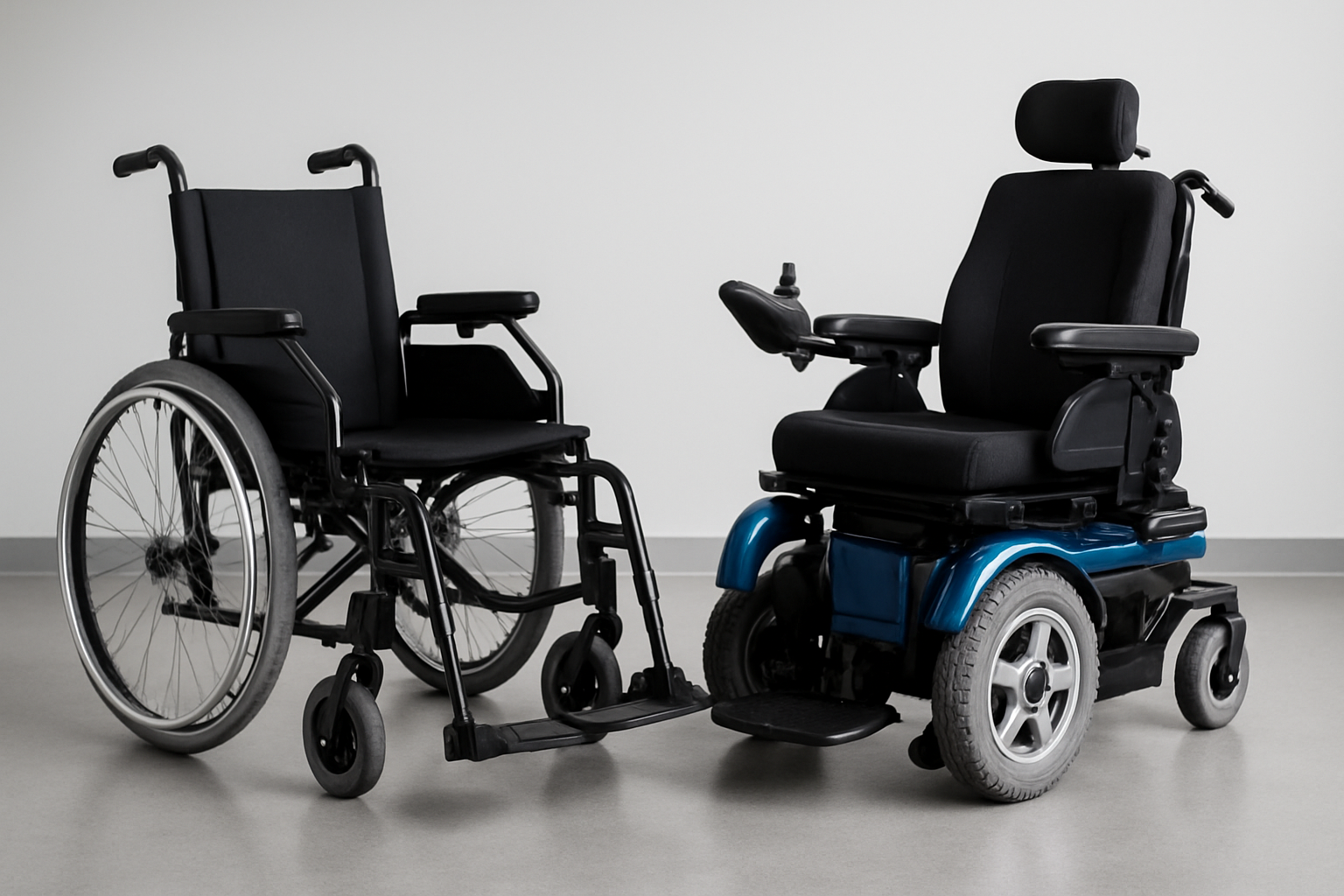
Not every power wheelchair is the same, and the right match is key for coverage. Medicare looks for fit between your functional need and the chair’s capabilities. For example, if you primarily need mobility inside your home, a compact model may be appropriate. If you need advanced seating or higher weight capacity, a more robust model may be justified. Go Wheelchairs helps you navigate these distinctions and choose a chair that meets your body’s needs and your home’s realities.
| Category | Best For | Typical Features | Coverage Consideration |
|---|---|---|---|
| Standard power chair | Indoor mobility, apartment living | Mid-wheel drive, tight turning, basic seating | Often requires prior authorization with clear home-use need. |
| Heavy-duty power chair | Higher weight capacity, mixed terrain | Reinforced frame, larger motors, longer range | Medical notes should justify need for durability and capacity. |
| Lightweight travel power chair | Travel, transport in cars | Portable or disassemblable design, lighter batteries | Coverage focuses on home function; travel benefits are secondary. |
| Advanced seating/tilt | Pressure relief, posture support | Tilt, recline, specialty cushions | Needs specific clinical justification for advanced seating features. |
If you are unsure where you land, try this simple test: can you safely to-and-from essential rooms at home using a cane, walker, or manual chair? If not, that is a strong sign a power chair is medically necessary. Go Wheelchairs’ resources hub includes buying guides and comparison tools that make this decision easier, plus travel tips if you are eyeing a disassemblable or travel model for vacations or family visits.
Common questions about Medicare, dmepos [Durable Medical Equipment, Prosthetics, Orthotics, and Supplies], and power wheelchairs
Will Medicare cover my power wheelchair?
Medicare generally covers medically necessary power wheelchairs used in the home setting when documentation supports that lesser devices are not sufficient, and when all dmepos [Durable Medical Equipment, Prosthetics, Orthotics, and Supplies] verification requirements are met. You are typically responsible for the deductible and 20 percent coinsurance under Original Medicare, with supplemental coverage possibly reducing your share. Many models require prior authorization, which must be approved before delivery.
How long does prior authorization take?
Typical decisions arrive in about 10 business days after submission, though timing varies by case. Urgent cases may be reviewed faster when properly documented. The most common delays occur when clinician notes are incomplete or dates do not match between the evaluation and the written order. A meticulous submission from a knowledgeable supplier minimizes back-and-forth.
What if my request is denied?
Denials are often fixable. Ask for the denial reason in writing, correct the issue, and resubmit. If needed, you can appeal. Keeping a complete package of documents makes this much easier. Go Wheelchairs works with your clinician to patch gaps quickly and keep your case moving.
Does Medicare rent or purchase power wheelchairs?
Depending on the model and policy, Medicare may rent or purchase. Some power wheelchairs are purchased outright, while others start as rentals that convert to ownership. Your supplier will explain which path applies to your chair and how that affects maintenance and repairs. Either way, dmepos [Durable Medical Equipment, Prosthetics, Orthotics, and Supplies] rules still apply.
Are accessories like cushions or elevating leg rests covered?
Accessories can be covered when they are medically necessary and included in the original documentation and order. Advanced seating and pressure-relief items require specific clinical justification. Confirm that all accessories are listed on the written order and, where required, on the prior authorization approval.
What is the difference between Original Medicare and Medicare Advantage for power wheelchairs?
Both must follow Medicare coverage rules, but Medicare Advantage plans may have additional network requirements or prior authorization processes. Always call your plan before you start to confirm rules and in-network suppliers. The comparison below highlights common differences you may encounter.
| Aspect | Original Medicare | Medicare Advantage |
|---|---|---|
| Supplier choice | Any supplier with active Medicare billing privileges | Usually must use in-network suppliers |
| Prior authorization | Required for many power wheelchairs | Required and often plan-specific forms |
| Cost sharing | Deductible plus 20 percent coinsurance | Plan-specific copays, out-of-pocket maximums apply |
| Appeals | Medicare-defined appeal process | Plan-managed appeals aligned with Medicare rules |
Can I travel with my chair?
Yes. Airlines and cruise lines accommodate power wheelchairs, but planning is crucial. Bring your charger, a printed spec sheet, and your supplier’s contact. Go Wheelchairs’ travel tips guide covers batteries, disassembly and transport tips, and how to protect your joystick during transport.
How do I keep my chair in great shape?
Charge as directed, keep tires inflated where applicable, and schedule maintenance with your supplier. Report performance issues promptly, especially battery or controller problems. Regular care protects your independence and helps avoid avoidable repair bills.
What mistakes cause avoidable dmepos [Durable Medical Equipment, Prosthetics, Orthotics, and Supplies] denials?
Most denials trace back to a few repeat offenders. Knowing them now helps you dodge them later. Before your supplier submits prior authorization, do a five-minute self-audit using this list.
- Mismatched dates between evaluation notes and the written order.
- Vague clinical notes that do not explain why lesser devices are not safe or adequate at home.
- Delivering equipment before prior authorization approval is received.
- Missing signatures or illegible signatures from the ordering clinician.
- Accessories added at delivery that were not included on the original order or authorization.
Pro move: ask your supplier to email you a copy of the authorization approval and final order before delivery. Go Wheelchairs can provide this documentation upon request, and it gives you one last, easy chance to confirm everything matches. Five minutes now can save weeks later.
How does Go Wheelchairs make the process simpler?
Coverage is about people more than paperwork. Go Wheelchairs pairs you with a real person who shepherds your case: confirming plan rules, coordinating with your clinician, organizing documentation, and submitting prior authorization with a complete, polished packet. While many suppliers can sell you a chair, Go Wheelchairs’ difference is the combination of choice and guidance: a wide range of standard and heavy-duty motorized wheelchairs, lightweight, portable or disassemblable travel-focused designs, and step-by-step insurance and Medicare assistance tailored to your situation. That means fewer surprises and a chair that fits your life, not just your doorway.
Their resources hub goes beyond the sale: buying guides to compare models, decision checklists for sizing and seating, and travel tips for road trips or flights. If you like confidence and clarity, you will love having a partner who lives and breathes dmepos [Durable Medical Equipment, Prosthetics, Orthotics, and Supplies] rules so you do not have to. The mission is simple: help you move freely and independently, with coverage that holds up under scrutiny.
Quick dmepos [Durable Medical Equipment, Prosthetics, Orthotics, and Supplies] checklist you can screenshot
![Illustration for Quick dmepos [Durable Medical Equipment, Prosthetics, Orthotics, and Supplies] checklist you can screenshot related to dmepos](https://admanager-ai.s3.us-east-1.amazonaws.com/seopro-blog-inline-images/c26e35a7-5e7d-4c11-97fd-ffeff2fe9726.png)
- Called plan to confirm power wheelchair coverage and network rules.
- Completed face-to-face mobility evaluation with detailed, home-focused notes.
- Obtained a written order with all required elements and matching dates.
- Verified supplier accreditation and active Medicare billing privileges.
- Submitted prior authorization and received approval in writing.
- Chose a chair that fits body measurements, home layout, and daily tasks.
- Verified accessories on the order match what is being delivered.
- Kept copies of evaluation, order, authorization, and delivery ticket.
What if I need help right now?
If you are mid-process and stuck, start by asking your supplier for a status update and a list of what is missing. Next, call your clinician’s office and request any needed clarifications be added to your notes. If you prefer a partner to quarterback the entire process, contact Go Wheelchairs. They will sanity-check your documentation, align the chair to your needs, and keep your dmepos [Durable Medical Equipment, Prosthetics, Orthotics, and Supplies] submission tight and timely.
Wrap-up: What should I remember before I sign for delivery?
Before you sign, confirm three things: you have prior authorization approval in writing if required, the model and accessories match the order, and you received basic training on safe use and charging. Keep the paperwork together and set a reminder to call your supplier in a week to confirm the claim was submitted. That last call is an easy win that catches issues early.
Conclusion
This checklist turns a complex coverage path into a clear, patient-powered plan. Follow the steps, match the chair to your life, and keep your documentation clean to sidestep denials.
Imagine the next 12 months with smoother mornings, safer transfers, and more spontaneous outings because your power wheelchair just works for you. With the right partner and process, coverage can be predictable rather than mysterious.
Ready to check off your dmepos [Durable Medical Equipment, Prosthetics, Orthotics, and Supplies] boxes and roll forward with confidence?
Navigate Medicare Dmepos with Go Wheelchairs
Choose from a wide range of standard and heavy-duty motorized wheelchairs with personalized coverage guidance, helping individuals gain confidence, independence, and timely approvals.