
Wheelchair Battery and Charger Guidelines: A 10-Step Expert Checklist for Safety, Longer Life & Medicare-Friendly Use
If your power chair is your daily lifeline, you know that a battery hiccup can turn a simple trip into a stress test, which is exactly why clear wheelchair battery and charger guidelines matter more than any gadget spec sheet. Think of your batteries as the heart and your charger as the steady pulse, and a few smart habits can add months or even years of dependable runtime. In this friendly guide, I will walk you through a practical 10-step checklist, sprinkle in real-world tips, and keep everything Medicare-friendly without drowning you in jargon. Along the way, I will show how Go Wheelchairs backs you up with models such as the Go Chair®, Jazzy Air® 2, Jazzy Elite 14®, Jazzy Elite HD®, and travel-oriented Jazzy Ultra Light and Jazzy Carbon chairs, plus hands-on guidance to make smart choices and get coverage help when you need it.
Why Battery Health Matters for Everyday Independence
Battery performance is not just about miles; it is about your options, your dignity, and your timing. Many service technicians find that battery- and charger-related faults are among the most common causes of unexpected power chair failures, and poor charging and storage habits can accelerate wear and shorten battery life. Lifespans vary widely by chemistry, usage patterns, and maintenance — for example, some lead-acid formats may see shorter service lives under heavy daily use while modern lithium-ion packs often offer longer cycle life — so check manufacturer specifications and product documentation for guidance specific to your chair. When you stretch each charge safely, you save money, prevent mid-errand panic, and keep your day flowing, which is exactly what we are all after.
Now, safety rides shotgun with performance. Overheating during charge, swelling cases, or a sharp chemical smell are not “maybe later” signs; they are “stop and unplug now” alerts, because preventing a rare but real thermal event starts with paying attention. On the bright side, most battery failures whisper before they shout. A little detective work, like tracking how long your nightly charge takes or noticing if your usual route starts to feel shorter, can help you act early and keep your chair in the sweet spot between carefree and careful.
Wheelchair Battery and Charger Guidelines: The 10-Step Expert Checklist
Use this checklist like a pilot’s preflight. It is fast, it is practical, and it saves headaches. Print it, bookmark it, or copy it into the notes app you already use, and run through it once a month or after any change in your routine.
Watch This Helpful Video
To help you better understand wheelchair battery and charger guidelines, we’ve included this informative video from Vive Health. It provides valuable insights and visual demonstrations that complement the written content.
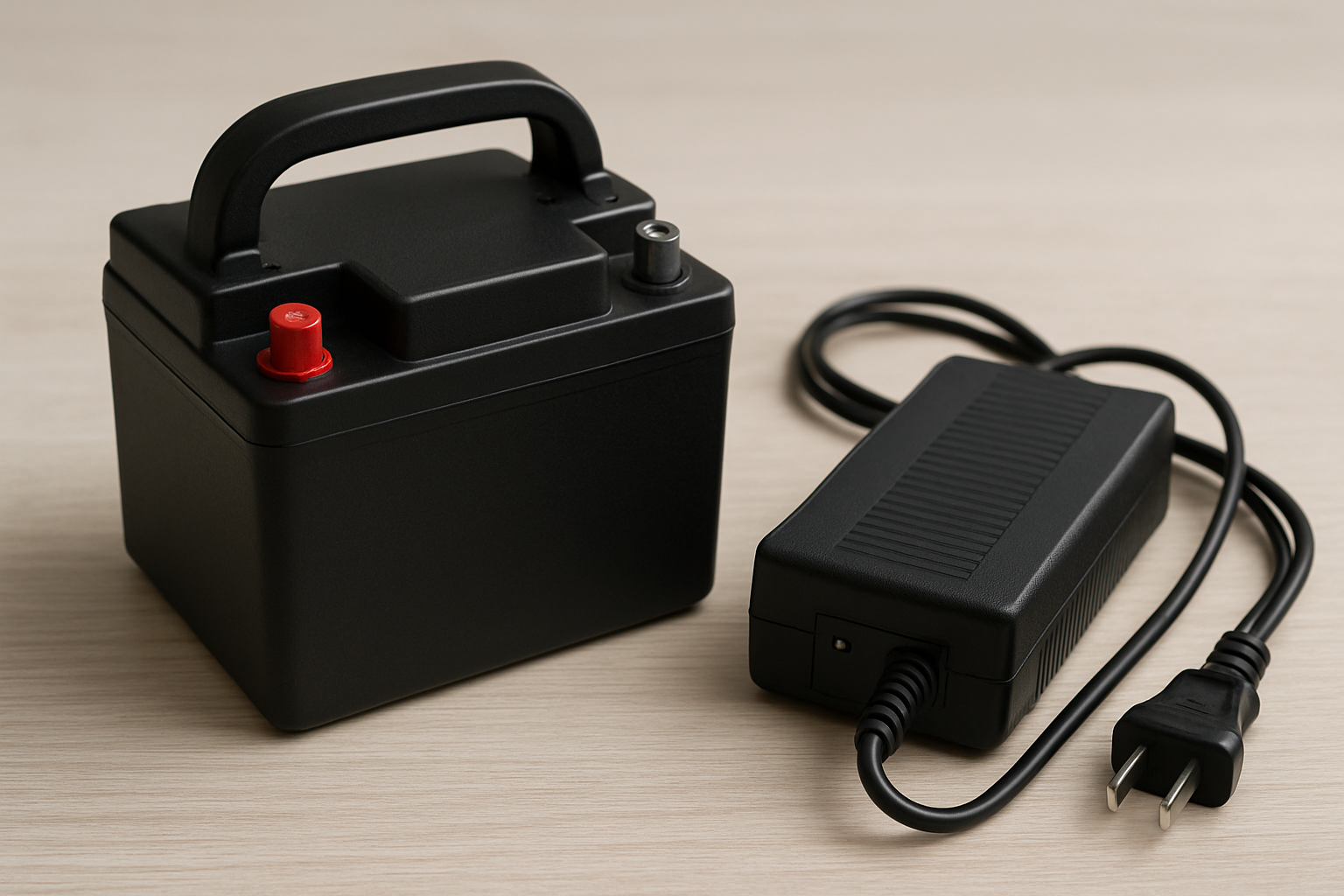
- Match chemistry, voltage, and capacity. Your chair’s manual and the label on your current battery pack are your truth sources. Sealed lead acid, gel, and lithium-ion behave differently, charge at different rates, and even use different connectors in some models. If your chair supports lithium-ion with an internal protection system, a correctly sized pack can deliver lighter weight and longer cycles, but only when the charger is designed for that chemistry. When in doubt, call your supplier or reach out to Go Wheelchairs for a quick compatibility check before you buy.
- Use the manufacturer-approved smart charger. A true smart charger senses state of charge, steps through bulk, absorption, and float phases, and stops when the job is done. This protects the battery from overcharge and from staying at a high voltage for too long, both of which shorten life. Look for safety certifications from recognized testing bodies like Underwriters Laboratories and make sure the connector fits snugly without forcing. If you upgraded your battery chemistry, upgrade the charger together, not later.
- Charge daily, top up often. The best time to charge is the end of your day, even if you only rolled around the block. Partial charges are healthy for most modern chemistries, and letting batteries sit near empty invites sulfation in lead acid and stress in lithium-ion. Aim to finish with a full or near-full pack before your next outing. If your routine is unpredictable, short top-ups during lunch or while you read at night are simple insurance.
- Plug in the right way. Use a standard wall outlet, avoid daisy-chained power strips, and keep the charger on a hard surface for airflow. Warm is normal; hot is not. Never drape clothing over a charger or tuck it into a blanket to hide it, and keep liquids at a safe distance. If a breaker trips or a fuse pops when you plug in, stop and have the outlet inspected before you reconnect.
- Mind temperature and storage. Batteries are happiest in a cool, dry place, roughly room temperature. If you store your chair for weeks, leave lead acid batteries fully charged and top them up every three to four weeks so they do not drift down. Lithium-ion preferred storage is around half to three-quarters charged, with a top-up every month or so. Both chemistries dislike extremes, which is why garages with winter freezes or summer heat waves are not ideal parking spots.
- Protect cables, ports, and connectors. A wobbly plug, bent pin, or cracked cable jacket can make a healthy battery look weak. Inspect the charging port monthly, keep dust out, and wipe contacts gently with a soft, dry cloth. If you notice arcing marks or discoloration, stop using that connector until a technician checks it. Replacing a worn cable is cheaper and safer than replacing a battery pack damaged by poor contact.
- Track runtime and charge time. A simple log works wonders. Jot down a few basics: daily distance or time used, how long your charger takes to go from red to green, and any unusual sounds or odors. When you see charge time creeping up or range creeping down over a few weeks, you are catching the problem early, which often means an easy fix or a warranty claim instead of an emergency replacement.
- Recognize red flags and act fast. Warning signs include swelling battery cases, hissing, a sharp solvent-like smell, repeated error lights on the joystick or charger, or the charger never switching to its ready indicator. Unplug, move the chair away from flammables, and call your provider or Go Wheelchairs support. Do not puncture, open, or crush a suspect pack, and never keep trying to charge a battery that has clearly overheated or deformed.
- Travel smart with power. For flights, most airlines allow power wheelchairs with batteries when installed correctly, and allow spare lithium-ion packs within specific watt-hour limits carried in the cabin. Tape over exposed terminals, carry the specifications sheet, and label your chair’s battery type. For road trips, secure the chair during transport and do not leave it in a hot trunk; temperature stress during a long drive can take quiet bites out of battery life.
- Replace and recycle responsibly. Replace sealed lead acid batteries in matched pairs so the strong one does not get dragged down by the weak one. Choose reputable brands and keep your receipt and serial numbers for warranty support. Most communities accept lead acid and lithium-ion for recycling at designated collection points. If navigating recycling or selecting a replacement feels like a chore, Go Wheelchairs can coordinate pickup, recycling, and setup to make it easy.
Choosing Batteries and Chargers: Types, Specs, and Compatibility
Battery chemistry shapes everything from weight to runtime to the feel of acceleration. Sealed lead acid with absorbent glass mat is rugged, proven, and budget friendly, often used in standard power chairs. Sealed gel versions reduce maintenance and can tolerate deeper discharges a bit better, though they take longer to charge. Lithium-ion pairs lightweight design with long cycle life, and with a built-in protection system it delivers consistent power and fast charging, which is why you see it in many lightweight and foldable chairs and in some heavy-duty models designed for longer outdoor routes. The perfect match depends on your chair’s electronics, your terrain, and how much you value quick charging, low weight, and long-term cost of ownership.
| Battery Type | Typical Lifespan | Weight | Charge Time | Strengths | Trade-offs | Notes on Coverage |
|---|---|---|---|---|---|---|
| Sealed Lead Acid with Absorbent Glass Mat | Varies by use and maintenance; consult manufacturer specifications | Heaviest | Varies by capacity and charger; consult specs | Affordable, widely available, durable | Lower energy density, can lose capacity if left discharged | Common in standard chairs; often covered as a replacement when medically necessary |
| Sealed Gel Lead Acid | Varies by use and maintenance; consult manufacturer specifications | Heavy | Varies by capacity and charger; consult specs | Handles deeper discharges, low maintenance | Slower charging, higher initial cost than absorbent glass mat | Covered similarly to other sealed lead acid when medically necessary |
| Lithium-ion with Integrated Protection | Varies by use and maintenance; consult manufacturer specifications | Lightest | Varies by capacity and charger; consult specs | High energy density, long cycle life, fast charging | Higher upfront cost, must use the correct charger and protection system | Coverage varies by plan and documentation; ask your supplier about policies |
When sizing a charger, a commonly used rule of thumb is that a charge current near one tenth of the battery’s ampere-hour capacity balances speed and longevity. A larger current can be fine if the manufacturer allows it and the pack has the right protection, especially for lithium-ion where a smart controller manages the process. Helpful charger features include automatic shutoff, multi-stage charging, clear status lights, and temperature monitoring. If you are unsure whether your connector style or charger settings match your chair, Go Wheelchairs can check your model, recommend safe pairings, and set you up with a power kit that just works.
Medicare-Friendly Use: Coverage, Documentation, and Real-World Tips
Medicare Part B generally considers a power wheelchair and its batteries to be durable medical equipment when they are medically necessary, but the details and timing of replacement can vary by local policy and by your specific medical record. Many plans expect that batteries will be replaced when capacity no longer supports reasonable use, and they often require documentation from your clinician and your equipment supplier. The key is to keep simple records that tell a clear story without any guesswork. If the idea of paperwork makes you sigh, remember that clear notes plus the right wording can save weeks of back and forth and help you get what you need faster.
| What To Keep | Why It Matters | Practical Tip |
|---|---|---|
| Clinician prescription and medical necessity notes | Shows that the wheelchair and batteries are essential for daily living | Ask your clinic for copies in digital and paper formats |
| Supplier service records and battery test results | Proves declining capacity and attempts to remedy | Request a short summary after each service visit |
| Runtime and charge-time log | Helps establish functional decline with dates | Use a notebook or phone note with simple entries |
| Explanation of Benefits letters from your insurer | Documents what was approved or denied | Save digital PDFs and physical copies for reference |
| Photos of battery labels and installation | Confirms the exact model and configuration | Take clear photos before and after replacements |
When speaking with customer service or a clinician, use clear, functional statements: “I can no longer complete my normal trip to the market and back without losing power, even after a full charge, and my log shows this began six weeks ago.” If you are juggling Medicare and secondary insurance, organization wins the day, and you do not have to do it alone. Go Wheelchairs helps customers collect the right paperwork, align part numbers with policy language, and submit clean claims, which is often the difference between a speedy approval and a frustrating delay. That way, your energy goes into living, not into chasing forms.
Troubleshooting, Maintenance Schedule, and Safety Red Flags
Think of maintenance as small, predictable steps that prevent big, unpredictable problems. If your chair suddenly feels sluggish, start with simple checks: verify the freewheel levers are engaged, confirm the charger’s status light behavior, and try a different wall outlet you trust. If the battery pack is warm long after charging or the charger never moves from charging to ready, stop and call your supplier because that points to a fault that wants professional eyes. You do not need fancy tools; your senses and a basic schedule catch most issues early, and a quick call to Go Wheelchairs can narrow down whether the culprit is the charger, the pack, or a cable.
| Task | How Often | Time Needed | What To Look For |
|---|---|---|---|
| Charge after daily use | Daily | 30 seconds to plug in | Charger shows normal progress, no unusual heat or odor |
| Inspect cables and charging port | Monthly | 3 minutes | Secure fit, no bent pins, no frayed jackets, no scorch marks |
| Log runtime and charge time | Weekly | 2 minutes | Trends that suggest declining capacity or longer charge times |
| Wipe battery case and charger vents | Monthly | 5 minutes | Clear airflow, dry surfaces, no debris blocking vents |
| Top up during storage | Every 3 to 4 weeks | 1 minute to plug in | Maintain charge to prevent deep discharge and capacity loss |
- If the chair shuts off under load but restarts after a few minutes, that can be a sign of a weak pack recovering voltage at rest, so plan a test visit with your supplier.
- If the charger’s light flickers or cycles rapidly without progress, try another outlet and then another charger if available; intermittent power often traces to the cable or charger.
- If you smell a harsh chemical odor or see swelling, unplug immediately, move away from flammables, and contact a professional before touching anything further.
How Go Wheelchairs Makes Power Simple
At Go Wheelchairs, we see battery care as part of your freedom plan, not a surprise chore. We carry a wide range of standard and heavy-duty motorized wheelchairs so you can match power demands to your lifestyle, from quick indoor turns to long outdoor errands. If portability matters most, our lightweight, foldable wheelchair designs pair smart batteries with compact chargers that fit into a backpack or seat pocket. Prefer all-day range and confidence on hills or uneven paths? We will help you size a chair and battery system that stays steady from breakfast to bedtime without anxiety.
Because independence should not come with a stack of sticky notes, our personalized support includes charger selection, routine checkups, and friendly reminders on seasonal storage. Our insurance and Medicare assistance team helps you gather the right documents, write clear functional notes, and align part numbers to policies, which makes approvals smoother and faster. And when you like to research on your own time, our resources hub offers buying guides, comparison tools, and travel tips, including airline battery rules and packing checklists, so you feel prepared before you roll. When batteries and chargers feel simple, your focus can return to your goals, your routes, and your favorite people, which is the point of all this in the first place.
Quick Reference: Common Questions and Fast Answers
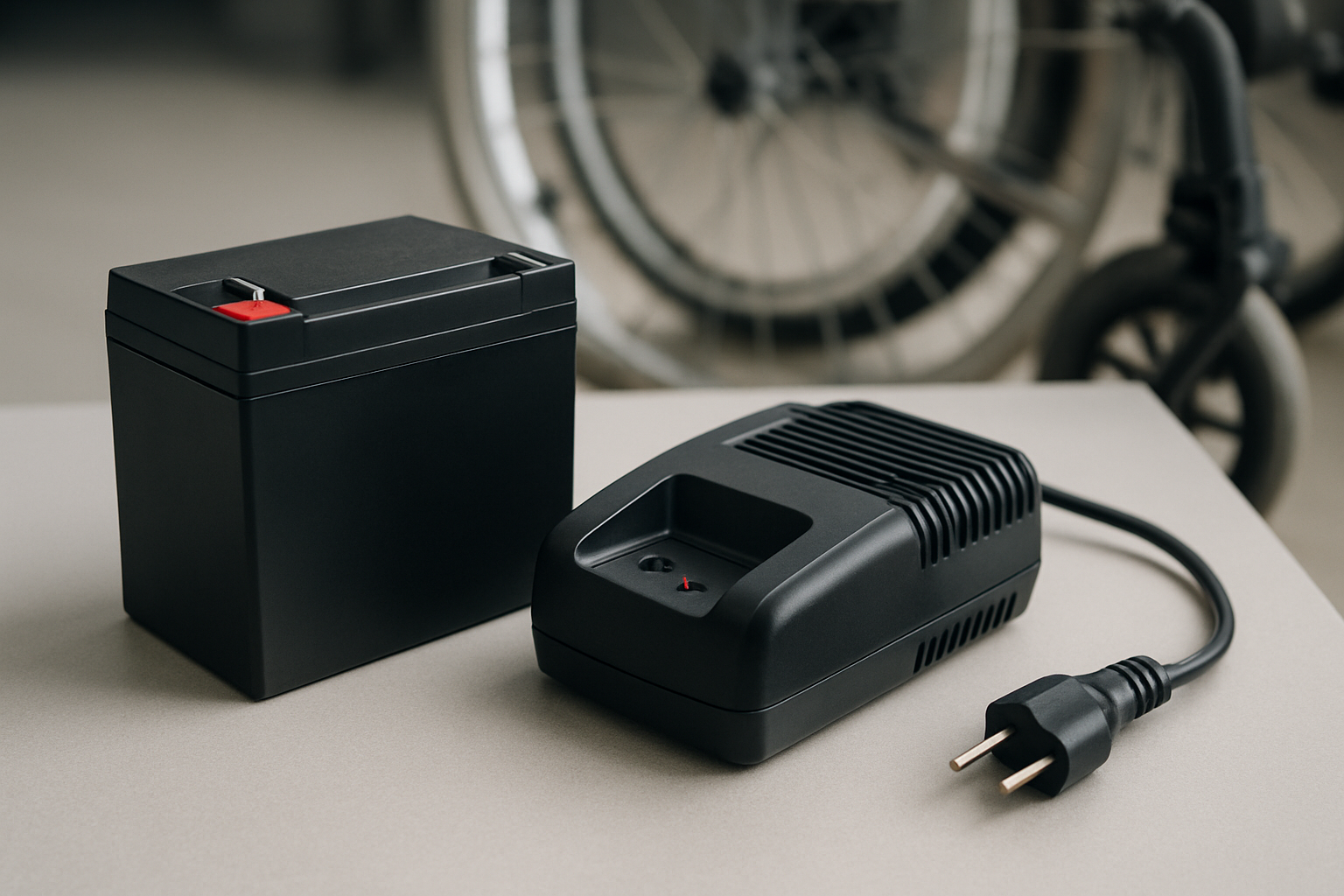
What if I forget to charge overnight? Give the chair a top-up as soon as you remember, even a short one, and consider setting a phone reminder near bedtime. Can I use any laptop-style charger that seems to fit? No, chargers that are not matched to your chemistry and voltage can quietly damage your pack, so always confirm the pairing. Is it okay to partially charge lithium-ion? Yes, partial charges are healthy for lithium-ion and are often better than running to empty. Not sure whether to repair or replace an older pack? Call Go Wheelchairs and we will help you weigh cost, warranty, and your schedule so you avoid paying twice for a short-term fix.
Is there a best time to plug in? After daily use is ideal, preferably in a room with good airflow and moderate temperature. Should I leave the charger connected after it turns ready? Quality smart chargers can maintain a safe float, but if your manual suggests unplugging once fully charged, follow that advice. Can I mix new and old lead acid batteries? Avoid mixing, because the stronger battery will be dragged down by the weaker one and both will age faster. Traveling soon and worried about rules? Pack a copy of your battery specifications, keep terminals protected, and look up your airline’s mobility device page before you head out.
Story From The Field: A Small Habit, A Big Payoff
When I met Daniel, he used a heavy-duty chair for steep sidewalks and a weekly farmer’s market run that included a hilly park path. His complaint was not dramatic, just annoying: by the time he reached the peaches, the battery indicator felt like it was mocking him. We swapped his aging charger for a correct smart unit, tightened a loose charging port screw, and started a simple runtime log on his phone. Within a month, he reported noticeably more usable range and, more importantly, no more “will I make it back” calculations halfway through buying tomatoes, which is the kind of measurable calm a few small changes can bring.
Your Next Step
You now have a practical plan to protect your batteries, charge smarter, and document your needs in a way that makes sense to both technicians and insurers. If you want to go further, a five-minute check-in with Go Wheelchairs can match your chair, terrain, and routine to the right battery and charger pairing. Whether you lean toward standard configurations or crave the confidence of a heavy-duty setup, you will leave the conversation with a clear recommendation, a maintenance schedule, and options for coverage support.
Power that is predictable turns errands into easy wins. Imagine twelve months from now, your chair still holds a strong charge after your longest days, your paperwork is tidy, and battery talk is five minutes on your calendar instead of five hours on hold. What would you do with the time and headspace you get back when your wheelchair battery and charger guidelines become second nature?
Additional Resources
Explore these authoritative resources to dive deeper into wheelchair battery and charger guidelines.
Power Your Mobility With Go Wheelchairs
Explore standard and heavy-duty motorized wheelchairs from Go Wheelchairs for dependable mobility, personalized guidance, and Medicare and insurance help, so you move forward with confidence and independence.