
If you have ever searched for electric wheelchairs and felt buried under jargon, you are not alone. Between drive types, weight classes, seating options, and coverage rules, it can feel like learning a new language while the store lights glare down on you. The good news is that there is a simple, repeatable way to sort models in minutes, so you can zero in on what fits your body, your home, your travel habits, and your budget. After coaching neighbors and readers through this process, and partnering with the advisors at Go Wheelchairs, I have refined a quick classification method that trims hours off your decision time while protecting you from costly missteps.
In this guide, you will move from “everything looks the same” to a clear short list matched to your daily life. We will stack decisions in the right order, starting with WHERE you ride, then HOW the chair drives, followed by HOW MUCH it carries, HOW it folds or transports, and WHICH features deliver comfort and independence. Along the way, you will see simple tables, handy rules of thumb, and notes on Medicare and insurance pathways that can save you real money. Ready to make sense of the maze and classify like a pro, fast?
Prerequisites and Tools You Will Need
Before we classify anything, gather a few facts to speed things up and avoid guesswork later. Think of this as your quick measurement kit plus your lifestyle checklist. A tape measure for doorways, the tightest hallway, and the elevator or vehicle opening is a must, as is a small notepad with your daily routes, the steepest ramp you use, and your typical outing length. If you have a caregiver, a family member, or a clinician who knows your posture and transfer routine, invite them to weigh in on seating and joystick placement because a five-minute chat can prevent years of little frustrations.
- Tape measure for doorway width, hallway turns, and storage spaces
- Body measurements: seated hip width, lower leg length from knee to heel, and preferred seat height
- Weight range with clothing, shoes, and any carry items like a bag or oxygen
- List of daily environments: home flooring, curb cuts, sidewalks, parks, malls, offices, and transit
- Coverage notes: Medicare or other insurance plan, clinician contacts, and any prior approvals
- Go Wheelchairs resources hub links for comparison tools, buying guides, and travel checklists
Step 1: Define Where and How You Ride
Start with place and pace because your environments do more than anything else to narrow the field quickly. Picture a typical week and split it into three parts: tight indoor living, mixed indoor and outdoor errands, and mostly outdoor terrain that may include hills, grass, or gravel. If you live in a small apartment with narrow doorways and love spontaneous kitchen maneuvers, you will want a short wheelbase and a tight turning radius; if your life includes park paths and weekend markets, you will trade a little compactness for bigger wheels, sturdier suspension, and longer range. Jot a one-sentence priority such as “navigate small rooms daily” or “handle outdoor paths plus car loading,” then keep it at the top of your notes, because it will resolve ties later when two models look equally tempting on paper but only one truly fits your real life.
Watch This Helpful Video
To help you better understand electric wheelchairs, we’ve included this informative video from Mobility Scooters Direct. It provides valuable insights and visual demonstrations that complement the written content.
Step 2: Sort Electric Wheelchairs by Drive Type
Drive type is the fastest way to classify electric wheelchairs because it sets the chair’s handling personality in tight spaces and outside. Rear-wheel drive places the power at the back for steady tracking at higher speeds and straighter outdoor lines, while mid-wheel drive centers the power for the tightest indoor turns and a pivot that almost feels like spinning in place, and front-wheel drive leads with the big wheels for confident curb climbing and smoother curb transitions. If you mostly ride indoors, mid-wheel drive usually wins for its small turning circle; if you split time or favor outdoor paths, rear-wheel or front-wheel can feel calmer and more planted, especially on side slopes and uneven concrete. As a quick screen, match your Step 1 priority to the table below and cross off one drive type entirely to simplify the rest of your choices without losing sleep over edge cases.
| Drive Type | Typical Turning Radius | Best For | What It Feels Like |
|---|---|---|---|
| Mid-wheel drive | About 20 to 25 inches | Tight indoor layouts and small elevators | Highly nimble, easy cornering with a small footprint |
| Front-wheel drive | About 24 to 28 inches | Mixed use with curb bumps and ramps | Strong pull over small obstacles and smooth curb entry |
| Rear-wheel drive | About 26 to 32 inches | Outdoor stability and longer straight runs | Steady tracking and calm on slopes |
Step 3: Classify by Weight Capacity and Frame Strength
Next, choose the right weight class because comfort, safety, and long-term reliability hinge on it more than many shoppers realize. Lightweight travel chairs usually support lower weight limits and shave pounds to fold small, standard models balance comfort and durability for everyday use, and heavy-duty or bariatric frames deliver higher weight capacities with larger motors, reinforced seating, and rugged tires. Aim to pick a class where your total riding weight including daily items sits well below the maximum capacity, because running near the limit can reduce battery life, strain motors on hills, and transfer more vibration to your body. If in doubt, go one class higher for a calmer ride and longer service life, and note that Go Wheelchairs carries a wide range of standard and heavy-duty motorized wheelchairs so you can test both ends of the spectrum with guidance instead of guesswork.
| Weight Class | Typical Capacity | Primary Tradeoffs | Good Fit For |
|---|---|---|---|
| Lightweight travel | Up to about 250 to 300 pounds | Lowest chair weight, smaller batteries, lighter frames | Frequent car loading and limited indoor use |
| Standard everyday | About 300 to 350 pounds | Balanced performance, comfort seating, solid range | Daily home and community use |
| Heavy-duty and bariatric | About 400 to 600 pounds and above | Reinforced frames, powerful motors, larger footprint | Outdoor terrain, higher loads, long-term durability |
Step 4: Group by Portability and Transport Method
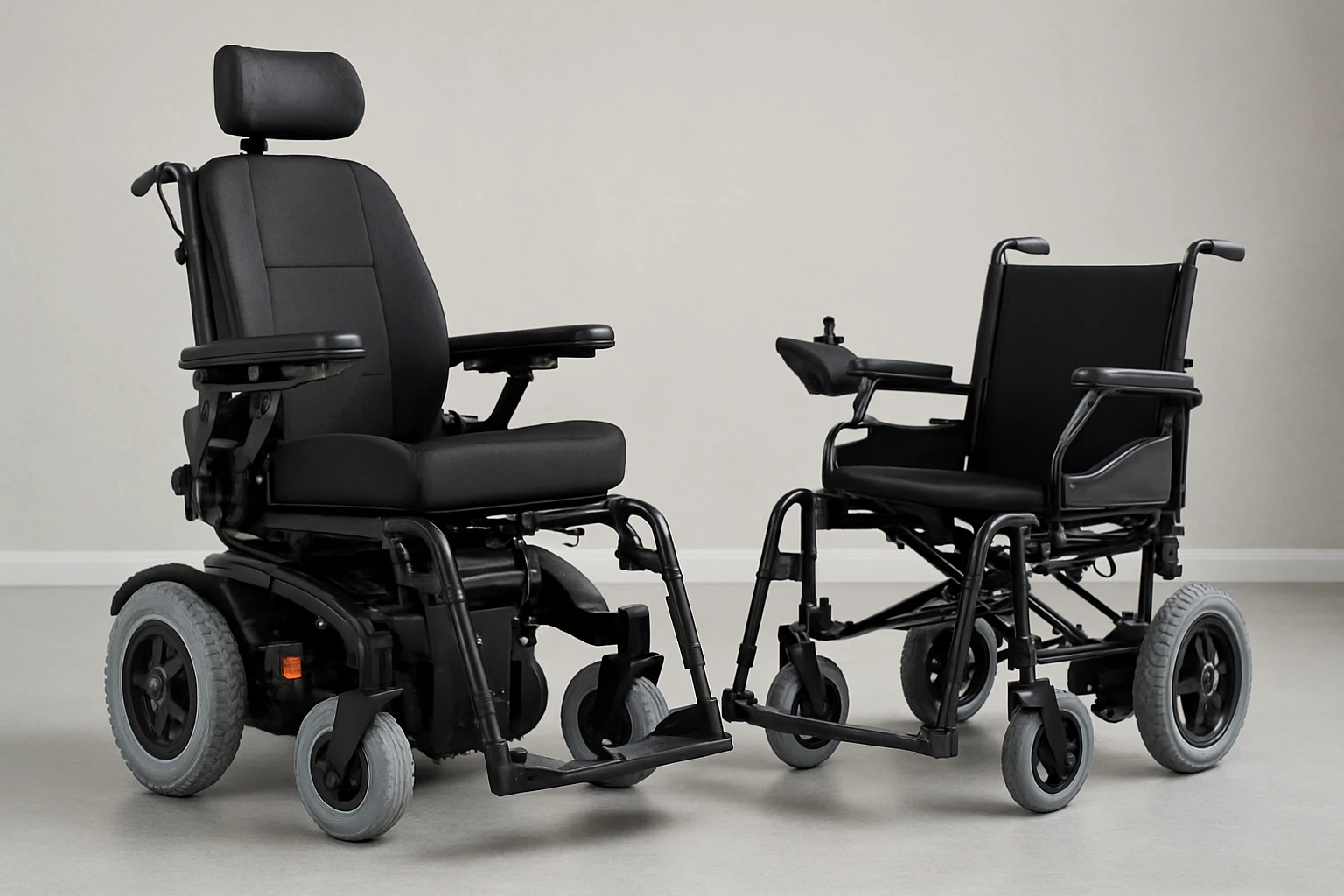
Portability is the third speed sorter because it decides how smoothly your day begins and ends around the door, the trunk, the van, or the rideshare. Folding power chairs collapse into a compact package that one person can stow with practice, modular chairs break into a few manageable pieces without tools, and full-featured rehabilitation models prioritize seating and performance over quick takedown and usually pair with vehicle lifts. Ask yourself how often you will load the chair into a car, how much lifting help you will have, and whether your building has storage at ground level; those answers are often the difference between a model you adore and a model that sits unused. Go Wheelchairs stocks lightweight, foldable wheelchair designs alongside robust models compatible with vehicle lifts, and their team can walk you through real-world loading demos and transport accessories that protect your back and your schedule.
Step 5: Compare Seating, Positioning, and Comfort Systems
Once you know how the chair drives, how much it carries, and how it travels, it is time to prioritize comfort that lasts through long errands or workdays. Start with seat width, depth, and cushion type, then look at backrest angle, adjustable armrests, swing-away leg rests or elevating leg rests, and head support options, because small fit errors lead to sore hips, pressure points, and shoulder reach strain. Advanced features such as power tilt, power recline, and power seat elevation can improve pressure relief, reach, and eye-level interaction, and some users find that power elevation transforms kitchen tasks, conversations, and checkout counters from awkward to effortless. If you are unsure which features matter most, try a simple test: list three tasks that currently feel hard, then ask which seating adjustment would make each one easier, and lean on the personalized support from Go Wheelchairs to turn that wish list into a precise configuration without overspending.
Step 6: Evaluate Power, Batteries, Range, and Terrain Performance
Power and batteries determine how far and how confidently you will ride, especially when the sidewalk pitches up or the wind turns cold. Standard models often deliver a range around 10 to 20 miles per charge with top speeds near 4 to 5 miles per hour, while heavy-duty models extend range toward 15 to 25 miles with gutsy motors that hold speed on hills and through grass. Battery chemistry and size matter too, with modern lithium-ion packs offering better energy density, faster charging, and steadier voltage under load, which translates to fewer range surprises in the last mile of your trip. If your loop includes long ramps or rolling paths, aim for higher torque motors, larger drive tires, and real suspension rather than stiff frame “bounce,” and remember that Go Wheelchairs advisors can decode spec sheets and translate numbers into how the ride actually feels on your routes.
| Spec | Typical Standard Range | Typical Heavy-duty Range | Quick Tip |
|---|---|---|---|
| Per-charge range | About 10 to 20 miles | About 15 to 25 miles | Choose the next range tier if your day regularly exceeds two thirds of rated range |
| Top speed | About 4 to 5 miles per hour | About 5 to 6 miles per hour | Higher speeds help outdoors; indoors you will ride slower for safety |
| Climbing and torque | Moderate hills, smooth surfaces | Steeper slopes, grass, gravel | Look for larger motors and controller tuning that favors low-speed push |
Step 7: Check Maneuverability, Safety Features, and Ergonomics
Now that you have the big pieces in place, confirm the small details that quietly make daily life easy. Turning radius, controller responsiveness, and caster design all affect how confidently you thread through a crowded kitchen or pivot near the sink, while lighting, lap belts, and anti-tip geometry influence safety on curbs and sloped driveways. Ergonomics extends beyond the cushion to joystick placement, armrest height, and transfer-friendly leg rests, and I have seen more smiles from a perfectly placed joystick than from any single spec on a brochure. Industry reports suggest that users who test maneuverability in their smallest real room are twice as likely to keep their first chair for five years or more, so take five minutes to mimic tight turns during a demo and have Go Wheelchairs fine-tune controls to your hands and reflexes.
Step 8: Align With Funding, Documentation, and Service Support
Finally, tie your classification to coverage requirements and local service because the best chair is the one you can obtain, afford, and maintain. Medicare and many insurance plans look for medical necessity in the home, a face to face evaluation by a qualified clinician, and proper documentation that the selected chair enables safe performance of mobility related daily activities, so matching your configuration to those criteria from the start prevents delays. As a quick rule, standard power chairs often align with coverage when basic mobility in the home is not possible with a cane, crutches, or a manual chair, while heavy-duty or complex rehabilitation models may require additional justification for advanced seating or power functions. Go Wheelchairs offers insurance and Medicare assistance plus a nationwide service network and clear maintenance schedules, which means you leave with not only the right classification, but also a plan for smooth approvals and years of dependable care.
| Coverage Path | Often Suited For | Common Requirements | Helpful Prep |
|---|---|---|---|
| Medicare standard power chair | Indoor mobility when a manual chair is not sufficient | Face to face clinical evaluation, physician order, in-home mobility need | Document room layouts, transfer needs, and daily distances |
| Medicare complex rehabilitation | Advanced seating or power seat functions for medical needs | Specialist evaluation, pressure relief plan, precise measurements | List functional goals and any history of skin breakdown or pain |
| Private insurance purchase | Broader feature choice if medical criteria differ | Plan authorization and approved supplier | Ask Go Wheelchairs to coordinate benefits and timelines |
Common Mistakes to Avoid

Rushing to specs before defining your environment leads to mismatches like outdoor models that feel clumsy in a galley kitchen, or micro chairs that chatter on rough sidewalks and drain batteries early. Guessing at weight capacity without adding clothing and daily items pushes a chair near its limit, which can shorten range and amplify vibration that your body has to absorb all day. Skipping a real seating fit is a recipe for sore hips and shoulder strain, and I have watched people fall in love with a motor only to return frustrated by a cushion that is an inch too narrow. Finally, not planning for coverage or service adds stress later, whereas letting Go Wheelchairs build your documentation package, verify benefits, and schedule first-year checkups turns ownership into a smooth, confident experience.
Real-World Quick Classifications
When I helped my neighbor Alina, a teacher in a compact city apartment, we classified her ride in under an hour by choosing mid-wheel drive for the tight hallways, a standard weight class for daily comfort, and a folding-friendly frame for weekend car trips. We prioritized a supportive cushion, swing-away leg rests for classroom transfers, and a turning radius under twenty four inches to glide around desk clusters without clipping corners. Because her errands rarely exceeded six miles, a standard battery pack with reliable four to five mile per hour speed felt perfect, and her Medicare documentation emphasized safe in-home mobility and fatigue management. Go Wheelchairs handled the coverage steps, sourced travel accessories, and tuned the joystick to her light touch, and months later she still texts that grocery runs feel calm and unrushed.
On the other end of the spectrum, Mateo manages a hillside property with gravel paths, weekend markets, and a large dog that insists on long walks, which sent us straight to front-wheel or rear-wheel drive, heavy-duty frames, and higher torque motors for hills. We sized up tires and suspension for outdoor confidence, checked that his vehicle had a compatible lift, and added power tilt to relieve pressure after longer rides. Range targets moved to the twenty mile neighborhood with a steady five to six mile per hour top end, and a relaxed seat width avoided winter coat compression. Go Wheelchairs paired him with a service plan for seasonal checks and built an insurance case around stability and safety on sloped ground, and he now treats the chair like a trusted truck for daily chores.
Quick Reference: One-Page Classifier
Use this single table to finalize your classification in minutes. Pick the line that matches your top priority, confirm the drive type and weight class, then check the rightmost column for the must-have feature that should anchor your shortlist. This is the distillation of what we covered above, and it has helped many readers move from twenty tabs open to three models that truly fit. If your scenario spans two rows, star both, call a Go Wheelchairs advisor, and let them help resolve the tie with a short demo or measurement session so you avoid paralysis by analysis.
| Top Priority | Drive Type | Weight Class | Portability | Anchor Feature |
|---|---|---|---|---|
| Ultra-tight indoor turns | Mid-wheel drive | Lightweight or standard | Folding or modular | Turning radius under twenty five inches |
| Mixed indoor and curb bumps | Front-wheel drive | Standard | Modular or lift-ready | Power tilt or stronger curb approach |
| Outdoor stability and longer runs | Rear-wheel drive | Standard or heavy-duty | Lift-ready | Larger tires with real suspension |
| Higher capacity and rugged use | Front-wheel or rear-wheel | Heavy-duty | Lift-ready | Reinforced seating and long-range battery |
Why Classifying First Saves Time and Money
Shoppers often start with brand names or individual features, and while that can be fun, it scatters attention and slows decisions when you have a real life to live. Classifying first collapses the field to a handful of candidates that genuinely match your world, which means demos feel focused, fittings go faster, and coverage documentation writes itself because your configuration aligns with a clear need. Industry data shows that buyers who classify by environment, drive type, and weight class first report higher satisfaction and fewer service surprises in the first year, largely because the basics were right from day one. Go Wheelchairs bakes this approach into their consultations, offers a resources hub with calculators and checklists, and maintains a wide range of standard and heavy-duty motorized wheelchairs so the correct fit is on the floor, not just in a catalog.
Wrapping Up: Your Next Right Step
Here is the punchline: classify by environment, drive type, weight class, portability, seating, power, and coverage, and your perfect match appears faster than you expect. In the next twelve months, advances in batteries and controller tuning will make rides smoother and more efficient, but the core classification steps here will remain your fastest path to clarity. What would change tomorrow if you felt completely confident choosing, fitting, and funding electric wheelchairs that match your life down to the inch?
Find Your Electric Wheelchair Fit with Go Wheelchairs
Access a wide range of standard and heavy-duty motorized wheelchairs, personalized support, and insurance plus Medicare coverage guidance, so you move forward with confidence and independence.